
Indoor air quality (IAQ) is not something a homeowner can see, which means it is easy to overlook. However, monitoring the health of a home’s indoor air is essential for the health and well-being of the homeowners and their families. In regions with cold winters, such as Wisconsin, the issue becomes even more critical because doors and windows are kept closed and sealed for months at a time to protect inhabitants from outdoor conditions.
Poor indoor air quality can have significant adverse effects on human health, particularly related to allergies and asthma. Regular monitoring allows for a healthy home and the early detection of issues with ventilation systems, HVAC systems, and building materials that could contribute to poor indoor air quality.
Recognizing Symptoms of Poor Indoor Air Quality
Although most homes can benefit from regular monitoring of indoor air quality, certain indicators should make homeowners more suspicious of the quality of their indoor air, including:
- Presence of mold, mildew, or standing water
- Fuel-burning appliances like stoves or water heaters that are not vented to outside the home
- High indoor humidity (more than 50%)
- Blocked HVAC system vents
- Stale or stuffy air
The health impacts of poor indoor air quality can also be indicators that homeowners need to pay attention. Symptoms of a negative health impact could include headaches, fatigue, dizziness, congestion, and eye irritation.
Common Contaminants That Affect IAQ
Several common contaminants can adversely affect IAQ. Some are the result of human activity in the home, such as tobacco smoke or household cleaning items, while others are the result of issues with home ventilation or construction, such as radon.
Regularly monitoring indoor air quality and taking steps to reduce exposure to contaminants are essential steps for maintaining a healthy indoor environment. Solutions may include improving ventilation, proper air sealing, new insulation, using air purifiers, reducing sources of pollutants, and adopting healthier indoor habits.
Carbon Monoxide
Carbon monoxide (CO) is a colorless, odorless gas produced by the incomplete combustion of fuels like gas, oil, wood, and coal. Breathing in CO can cause headaches, dizziness, nausea, confusion, and even death in high concentrations. Due to the dangers of CO poisoning, all homes should be equipped with a functioning carbon monoxide detector, and homeowners should regularly test and replace monitors as needed. If you don’t have one, Wisconsin Home Improvement will gladly supply you with one as part of your Focus On Energy project.
Radon
Radon is a naturally occurring radioactive gas that can seep into buildings through cracks in the foundation or gaps in construction materials. Prolonged exposure to elevated levels of radon increases the risk of lung cancer, particularly among smokers.
Biological Hazards
Biological hazards that impact IAQ are those that result from living organisms, including bacteria and viruses. Two common biological contaminants that can contribute to poor IAQ are:
- Dust Mites: Dust mites are microscopic insects that feed on organic matter like dead skin cells and thrive in warm, humid environments. Dust mite feces and body fragments can become airborne and trigger allergic reactions and asthma symptoms in sensitive individuals.
- Pet Dander: Pet dander consists of tiny, airborne particles of skin shed by pets like cats, dogs, birds, and rodents. Dander can trigger allergic reactions and aggravate asthma symptoms in susceptible individuals.
VOCs and Household Sources
Some household products may contain and emit volatile organic compounds (VOCs), which are emitted as gases from various products and materials commonly found indoors, including paints, cleaning supplies, building materials, and furnishings. Long-term exposure to VOCs can cause respiratory irritation, headaches, dizziness, and other health effects.
Strategies to Enhance IAQ
To improve indoor air quality, homeowners should consider implementing the following strategies:
- Increase Ventilation: Ensure adequate ventilation by opening windows and doors when the weather permits, using exhaust fans in kitchens and bathrooms, operating HVAC systems with fresh air intake, and making sure the attic is properly ventilated.
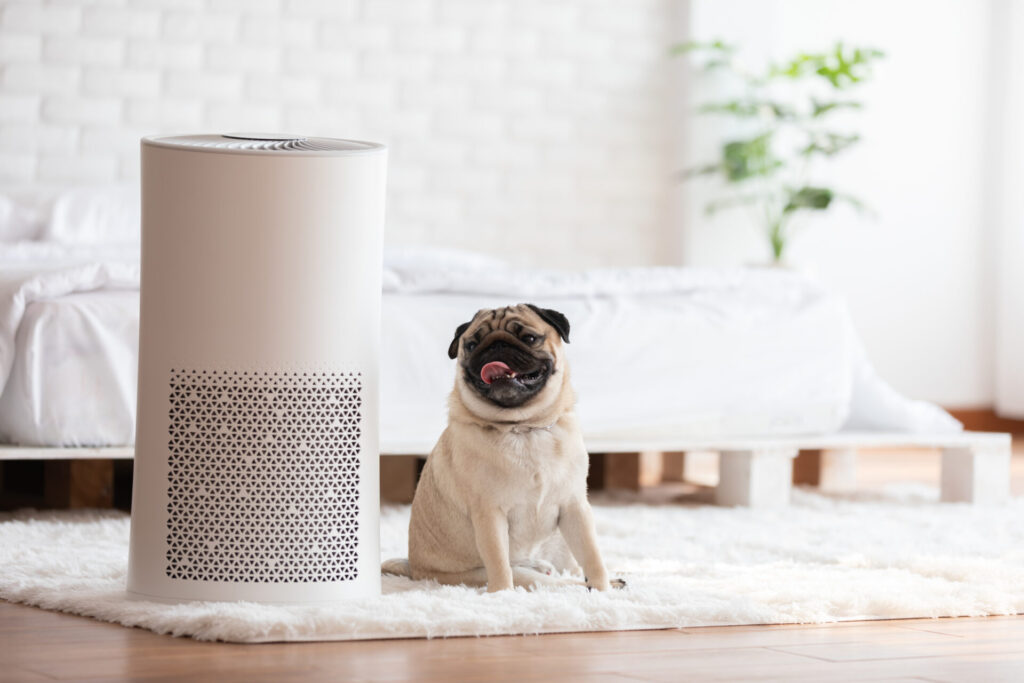
- Use Air Purifiers: Install high-efficiency particulate air (HEPA) filters or air purifiers to remove airborne particles, allergens, and pollutants from indoor air. Choose air purifiers with activated carbon filters to remove odors and VOCs.
- Regular Cleaning: Clean and vacuum regularly to remove dust, pet dander, and other allergens from surfaces and carpets. Use a vacuum cleaner equipped with a HEPA filter to capture fine particles and prevent them from becoming airborne.
- Reduce Sources of Pollution: Minimize the use of products and materials that emit VOCs and other harmful chemicals, such as paints, cleaning supplies, and air fresheners. Choose low-VOC or VOC-free alternatives whenever possible and follow manufacturers’ recommendations for ventilation.
- Control Indoor Combustion: Avoid using gas stoves, fireplaces, or other combustion appliances indoors without proper ventilation. Ensure that gas appliances are well-maintained and properly vented to prevent the buildup of carbon monoxide and other combustion byproducts.
- Promote Natural Ventilation: Take advantage of natural ventilation by opening windows and doors to allow fresh air to circulate throughout the building. Create cross-ventilation by opening windows on opposite sides of the room to maximize airflow.
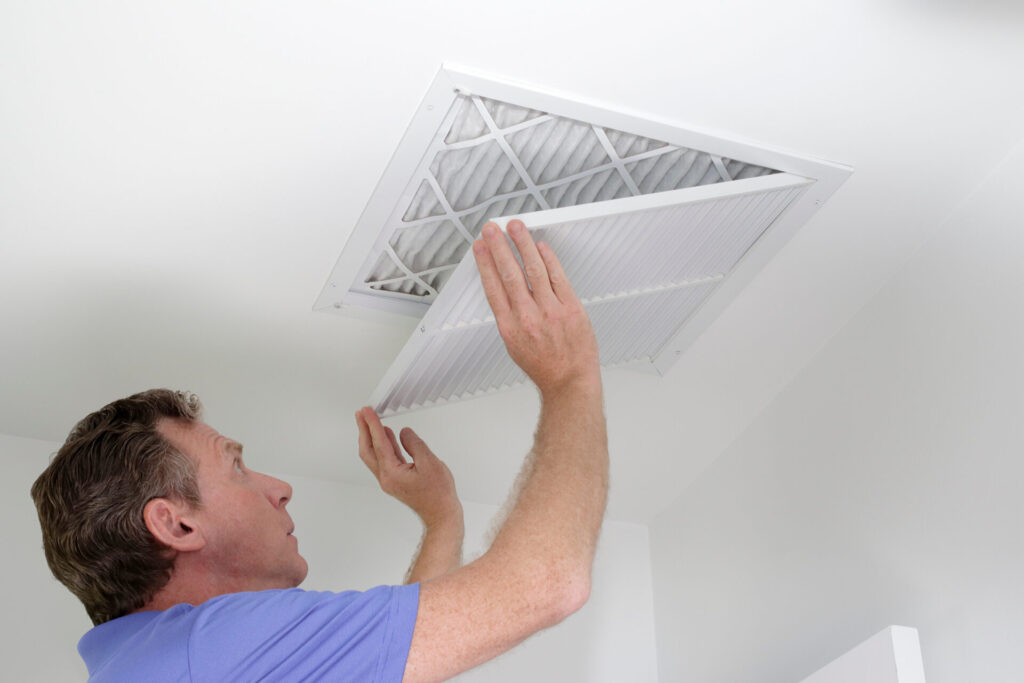
- Regular Maintenance: Schedule regular maintenance for HVAC systems, including cleaning or replacing filters, inspecting ductwork for leaks and obstructions, and servicing equipment to ensure optimal performance and efficiency.
- Educate Occupants: Educate building occupants about the importance of indoor air quality and encourage healthy indoor habits, such as avoiding smoking indoors, reducing clutter, and promptly addressing spills and leaks.
By implementing these strategies, homeowners help create a healthier indoor environments with improved air quality for occupants. Regular monitoring and maintenance are essential to ensure that these measures remain effective over time.
The Role of Insulation and Air Sealing
Moisture build-up can be a major contributor to poor indoor air quality. Proper insulation and air sealing can help reduce or prevent this issue by keeping unwanted water out of the home, especially in the winter when windows are kept closed.
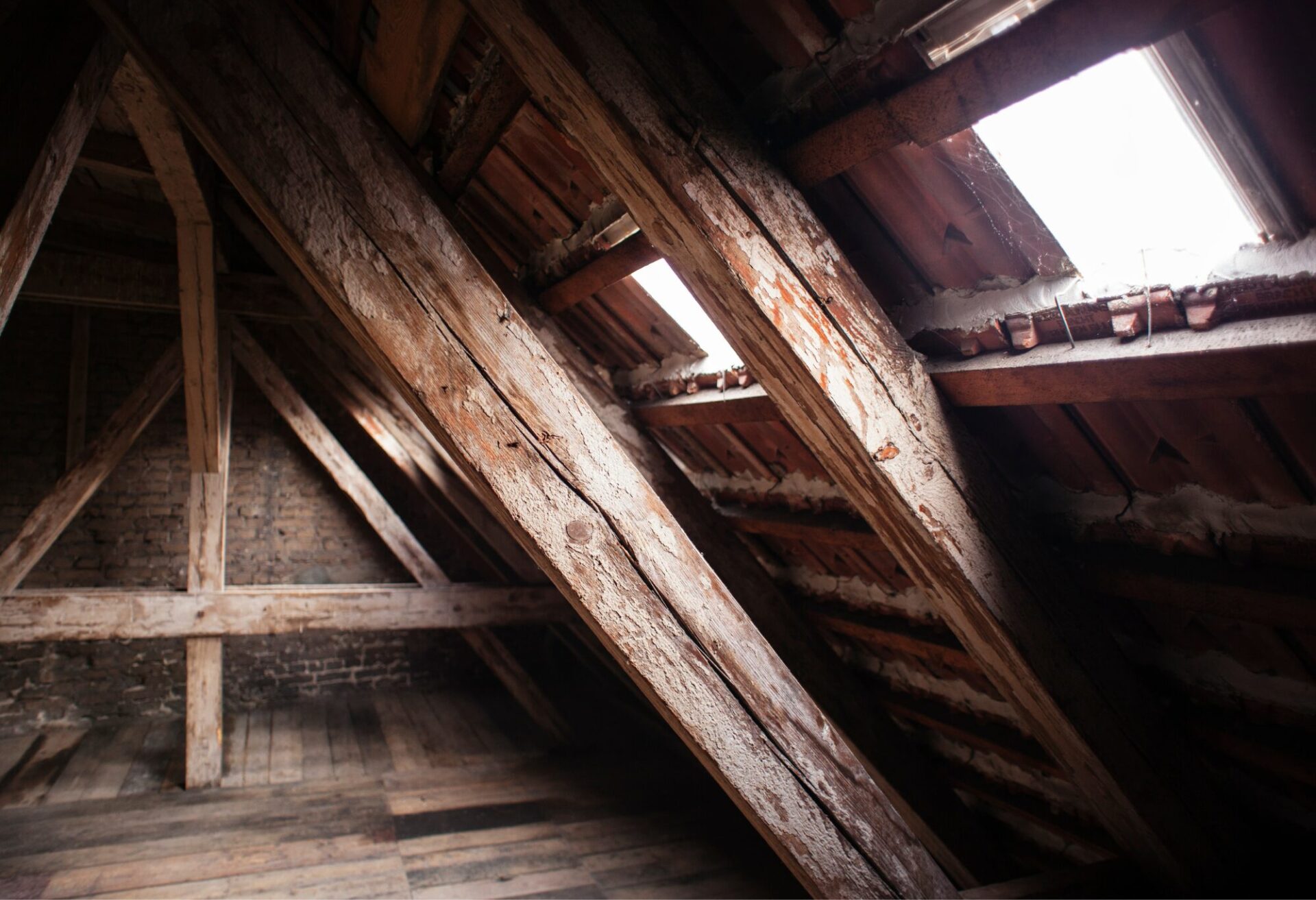
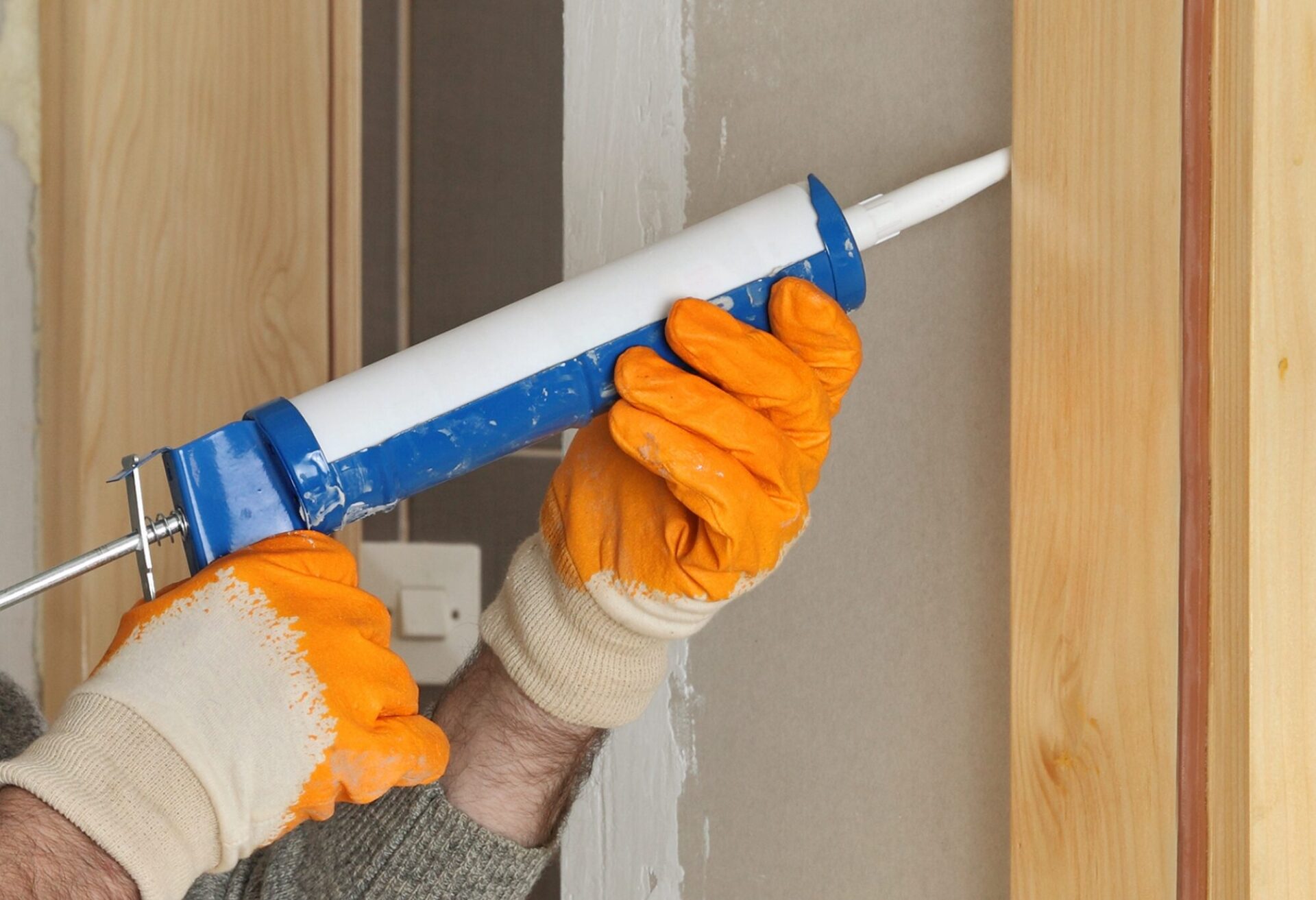
Many Wisconsin homes have air leaks in the attic, walls, and other key areas, allowing outdoor pollutants and humidity to seep into indoor spaces. Air sealing closes these leaks for better protection against outside contaminants and is best paired with proper home ventilation. Further, certain types of insulation such as spray foam are known to keep out excess moisture, which helps prevent mold growth — a major threat to indoor air quality.
Using exhaust fans or dehumidifiers in moisture-prone areas like bathrooms and basements can also assist with this process.
Importance of Regular Home Audits
A home performance audit is your first step toward cleaner and healthier indoor air. During your audit, one of our energy efficiency experts performs indoor air quality testing and assesses your home to identify areas that need attention, including issues that may be undermining your IAQ.
A home performance audit from the experts at Wisconsin Home Improvement Co., LLC, includes:
- Blower door tests to determine the source of air leaks
- Combustion heating safety testing to see if the furnace or other appliances are leaking carbon monoxide
A home audit also includes indoor inspections for signs of mold or moisture that point to larger IAQ problems. At the end of the home performance audit, the homeowner receives a full report, including recommendations for improving indoor air quality and the comfort and health of your family inside your home. Suggestions may include radon mitigation or insulation upgrades and air sealing to help prevent outdoor allergens and moisture from getting into the home.
Contact WHI for Professional IAQ Assessment and Improvement
Wisconsin Home Improvement specialists are experts in indoor air quality services and have helped local homeowners improve their IAQ for decades. Reach out to schedule a home performance audit and air quality assessment today to ensure the health and safety of your family, no matter how cold the winter.