When homeowners think about lowering their energy bills, insulation is usually the first thing that comes to mind. While insulation plays an important role, it is only part of the equation. In many homes, uncontrolled air leakage is the bigger and more expensive problem.
Air sealing addresses one of the most common and overlooked causes of energy loss. When warm or cool air escapes your home, your heating and cooling systems have to work harder to maintain comfort. The result is higher utility bills, inconsistent temperatures, and long-term durability concerns. By properly air-sealing your home, you can reduce energy waste and save money year-round
What Is Air Sealing and Why Does It Matter?
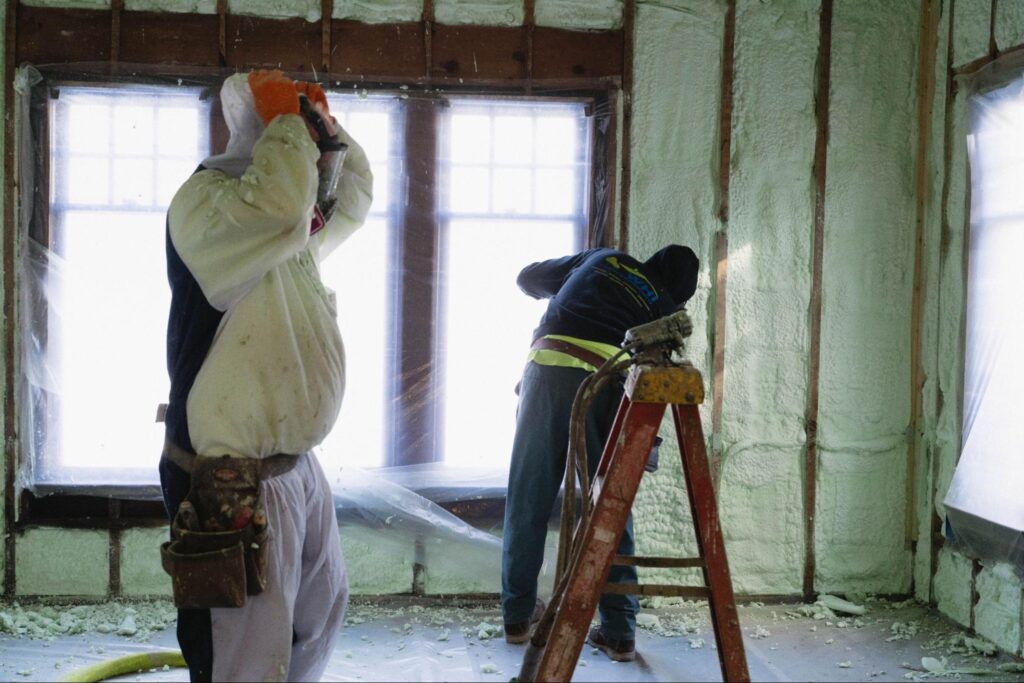
Air sealing is the process of identifying and sealing gaps, cracks, and openings in the building envelope through which air moves in and out of the home. These leaks are often hidden behind walls, above ceilings, and around structural transitions.
Common air leakage points include:
- Attic bypasses and top plates
- Rim joists and box sills
- Recessed lighting and attic hatches
- Plumbing, electrical, and vent penetrations
Insulation slows heat transfer, but it does not stop air movement. If air can flow freely through or around insulation, its effectiveness drops significantly. According to the U.S. Department of Energy, air sealing is an effective way to cut energy costs and improve comfort.
Winter Savings: Keep Heated Air Where It Belongs
In cold climates like southeastern Wisconsin, air leakage is especially costly during the winter. Warm air naturally rises and escapes through attic and upper-level leaks. As that air leaves, cold outdoor air is pulled in through lower levels, creating drafts and temperature swings.
This process, known as the stack effect, leads to:
- Higher heating bills
- Cold floors and uncomfortable rooms
- Increased risk of ice dams and condensation
By sealing the upper and lower leakage points in the home, air sealing reduces heat loss and helps maintain consistent indoor temperatures.
Research shows that professional air sealing can reduce energy bills by up to 10%, depending on the severity of leakage and the home’s construction.
Summer Savings: Reduce Cooling Costs and Humidity
Air leaks do not only matter in winter. During summer, gaps in the building envelope allow hot, humid air to enter the home. This increases cooling demand and makes it harder for air conditioning systems to control humidity.
Excess humidity can make homes feel warmer than they actually are, causing homeowners to lower thermostat settings and increase energy use. Air sealing helps by reducing unwanted heat and moisture infiltration, allowing cooling systems to operate more efficiently.
The Environmental Protection Agency notes that sealing air leaks improves comfort while reducing the load on cooling equipment, especially in homes with high humidity issues.
Lower Energy Bills Through Improved HVAC Efficiency
When a home is leaky, heating and cooling systems are forced to run longer and cycle more frequently. This leads to higher energy consumption and increased equipment wear.
Air sealing helps:
- Reduce HVAC runtime
- Improve system efficiency
- Support more consistent indoor temperatures
Protecting Your Home From Moisture and Durability Issues
Air movement is one of the primary ways moisture travels through a home. When warm, moisture-laden air enters cooler building cavities, condensation can form. Over time, this can lead to mold growth, wood rot, and reduced insulation performance.
Building science research consistently shows that uncontrolled air leakage contributes more to moisture problems than vapor diffusion alone. Proper air sealing helps manage moisture movement and protects critical structural components.
This is especially important in attics, rim joists, and wall assemblies where moisture damage often goes unnoticed until it becomes costly.
Comfort Improvements You Can Feel Immediately
Beyond energy savings, one of the most noticeable benefits of air sealing is improved comfort. Homeowners often report:
- Fewer drafts
- More even temperatures from room to room
- Reduced hot and cold spots
- Quieter indoor spaces
Because air sealing addresses the root cause of airflow issues, comfort improvements are often noticeable right away, even before utility bills reflect the savings.
Why Professional Air Sealing Delivers Better Results
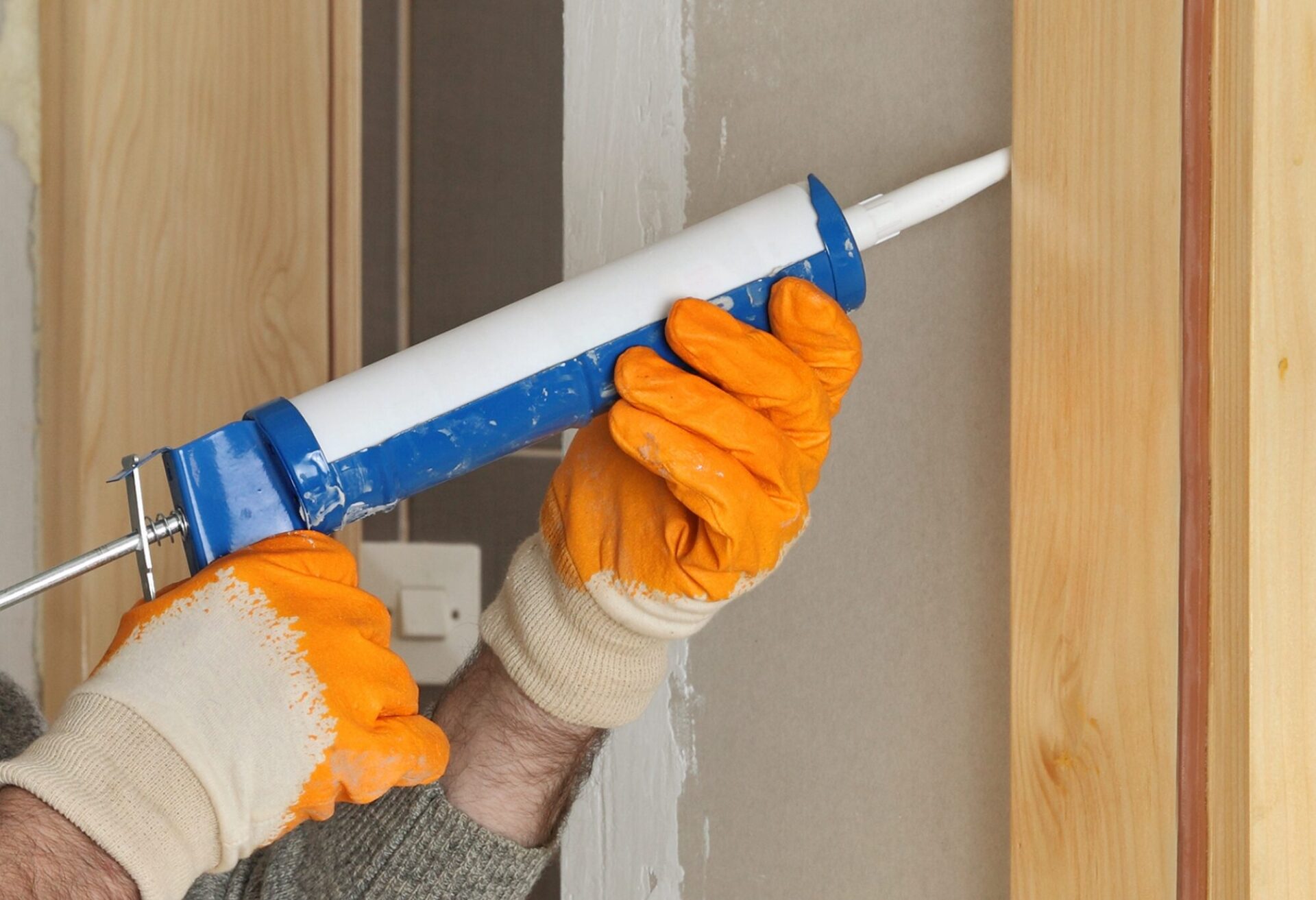
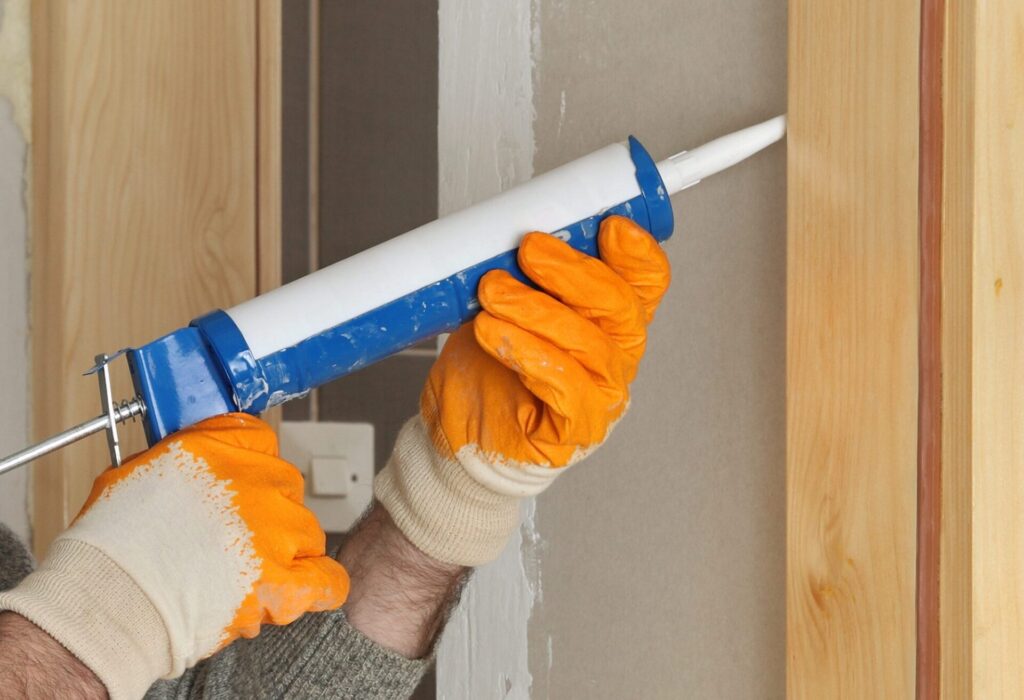
While basic caulking and weatherstripping can help, effective air sealing requires a whole-home approach. Many of the most significant air leaks are hidden and cannot be identified without proper testing.
Professional air sealing includes:
- Blower door testing to measure air leakage
- Diagnostic tools to locate high-impact leaks
- Targeted sealing of critical building envelope areas
Studies show that blower-door-guided air sealing consistently delivers greater energy savings than visual inspections alone. At Wisconsin Home Improvement, we prioritize diagnosis before treatment so solutions are tailored to each home.
Air Sealing as Part of a Whole-Home Efficiency Strategy
Air sealing works best when integrated with insulation, ventilation, and moisture management. Every home is different, and effective solutions depend on construction type, age, and existing conditions.
Rather than offering one-size-fits-all upgrades, air sealing should be part of a comprehensive plan that improves comfort, efficiency, and long-term durability.
Incentives, Rebates, and Return on Investment
Air sealing often qualifies for federal energy efficiency tax credits and utility rebates, depending on current programs. Because air sealing typically delivers strong energy savings with relatively low upfront cost, it often has one of the fastest payback periods among home efficiency improvements.
Small Gaps, Big Savings
Air sealing is one of the most effective ways to reduce energy waste, improve comfort, and protect your home year-round. By addressing the root causes of energy loss, homeowners can achieve lasting results rather than temporary fixes.
If you are experiencing high utility bills, uncomfortable rooms, or ongoing moisture issues, air sealing may be the missing piece.
Schedule your free home energy audit to find out where your home is losing energy and how a building science approach can deliver real savings.