

Most homeowners do not spend a lot of time in their attics apart from taking things out of storage or putting them away for the season. This lack of opportunities to observe issues means that it can be difficult to know exactly what is going on up there, resulting in an unpleasant surprise when you open the attic hatch or door to find something unexpected.
If you have recently gone up into the attic of your Milwaukee area home and noticed condensation in attic spaces or on the attic rafters or a wet, damp smell, it is perfectly understandable to become alarmed. Even worse, if there is dripping water in the attic, it could mean you have a roof leak that could quickly turn into an emergency situation. Keep reading to learn why moisture in the attic during winter could be cause for concern.
How Snow and Ice Contribute to Attic Moisture
Homeowners may want to know whether attic condensation or roof leaks are to blame for moisture, and a professional inspection is the best way to answer that question. Often, moisture in an attic during winter is the result of poor attic insulation and air leaks between the top floors of a home and the attic space. If warm air from the home’s living spaces rises and passes through under insulated areas or escapes through cracks and air leaks, it will get into the attic space. When that warm air meets the cooler temperatures in the attic, particularly on attic rafters, condensation and frost can occur.
Ice and snow on the roof contribute to the lower temperatures on the roof, while aging or poorly installed insulation lets exterior frigid air into the attic, contributing to moisture issues.
The Role of Ice Dams in Attic Moisture Accumulation
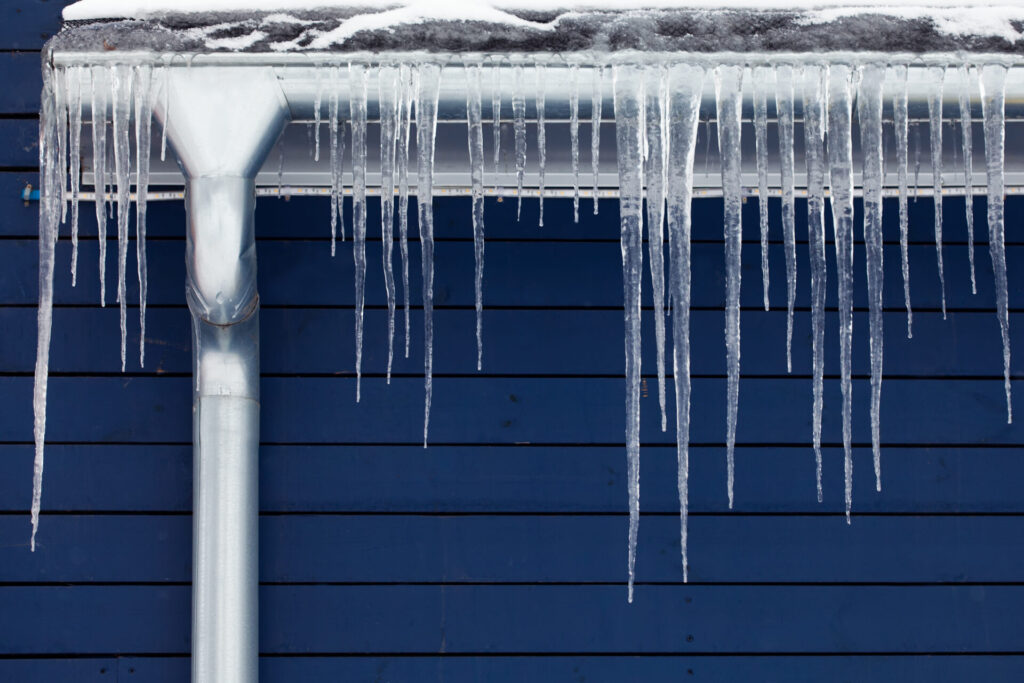
Ice dams on the roof can be a cause of moisture in the attic. Ice dams are not structural but rather the result of melting and refreezing cycles on the roof, and can be a good indicator that you have heat escaping from the living quarters into the attic. When snow melts and refreezes, it causes icy blockages that can melt, allowing water to build up behind the ice dam and flow up under the roof shingles. Ice dam leaks can be prevented by removing excess snow from the roof.
Often, the root cause of ice dams is insufficient attic insulation and air sealing, which heats the surface of the roof and melts any accumulated snow. Improving a home’s insulation, either by replacing aging insulation or adding more insulation to an attic space, is the most effective way to prevent ice dams.
The Dangers of Moisture in Your Attic
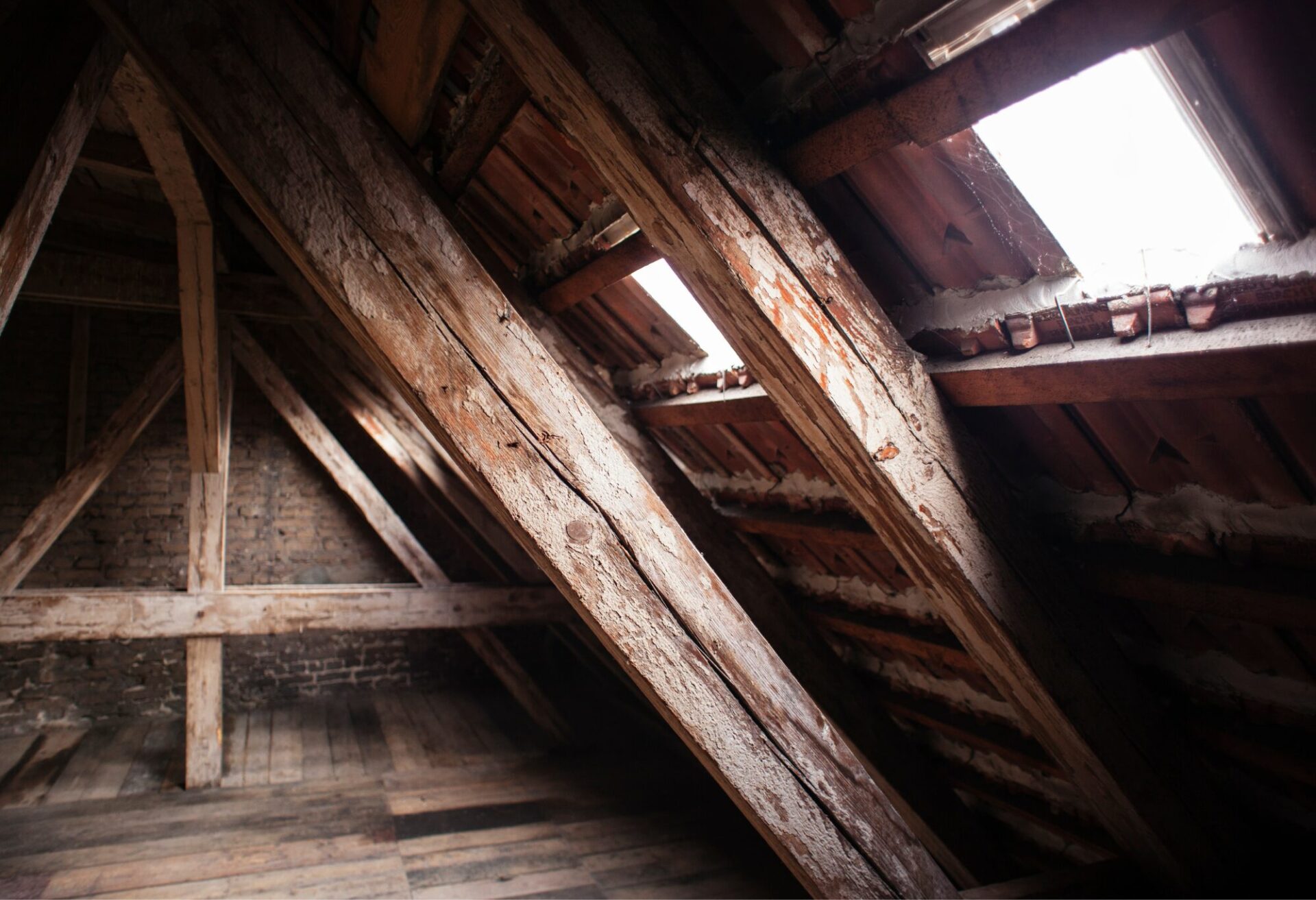
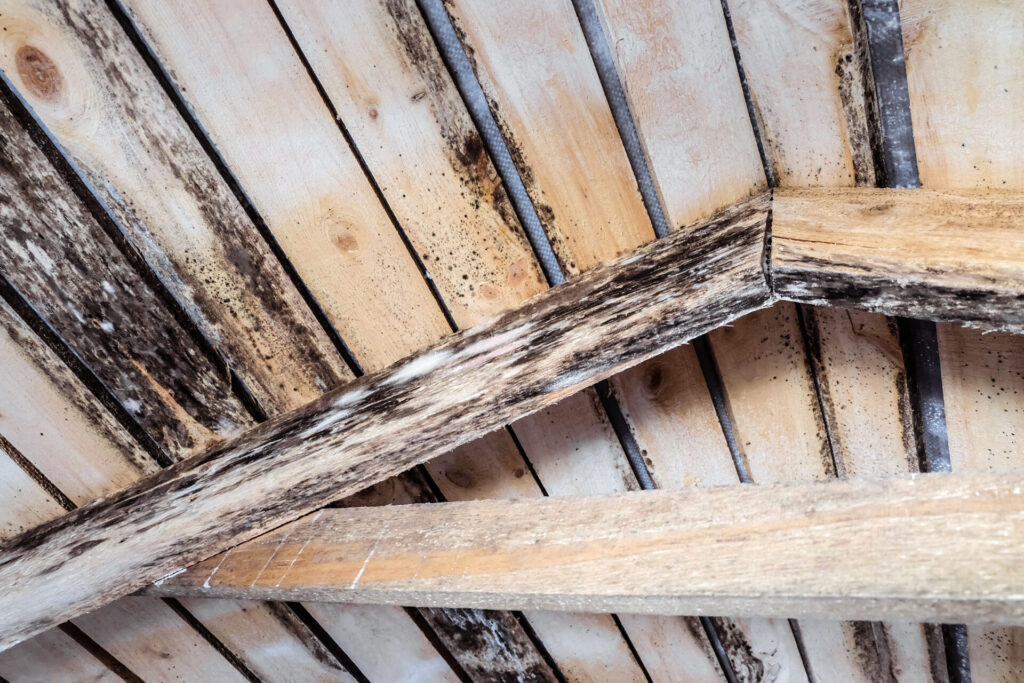
No matter what the underlying cause may be, moisture in an attic is a problem. Any time water or moisture enters a home, it’s a cause for concern. High humidity, moisture, and water can cause structural damage to the building materials that make up the home. Wood rot on attic rafters or attic floors will persist unless the moisture problem is addressed. If the moisture goes undetected for an extended period, homeowners may start to see signs of water damage in the living spaces of the home, such as spotting, discoloration, or paint bubbling on the ceilings of the second floor.
Moisture and water can also reduce the effectiveness of attic insulation, leaving the home more exposed to outdoor weather and more likely to suffer from high heating and cooling bills.
Structural Damage Risks
Moisture in the attic can lead to several structural damage risks, including:
- Wood Rot: Excessive moisture can cause wood to rot over time. This includes the rafters, joists, and other structural elements in the attic. Rotting wood weakens the structural integrity of the roof and can eventually lead to collapse if not addressed.
- Ceiling Damage: Excess moisture in the attic can seep through ceilings, causing stains, paint peeling, and even structural damage to the ceilings below.
- Metal Corrosion: Metal components in the attic, such as nails, screws, and metal flashing, can corrode when exposed to prolonged moisture. This can weaken their structural integrity and compromise the overall stability of the roof.
Health Hazards: Mold and Mildew Growth
Moisture provides an ideal environment for mold and mildew growth. Mold not only damages wood and other materials but also poses health risks to occupants, as mold spores can become airborne and cause respiratory issues. If a house feels humid all the time due to moisture infiltration, it increases the risk for mold growth, including black mold, which is a serious indoor health hazard.
Preventing Moisture Build-Up: Insulation and Air Sealing
Using insulation and air sealing effectively can help prevent moisture buildup in the attic by creating a controlled environment that minimizes condensation and moisture intrusion. Air sealing and updated insulation work together with proper ventilation to create an attic that resists moisture and the damage that goes along with it.
The Importance of Proper Attic Insulation
The key to getting rid of attic condensation is to upgrade insulation and air sealing to prevent the warm air and heat in your home from escaping. Insulation and proper air sealing keep a home’s living areas warm and also prevents warm air from escaping and causing condensation in unheated attic spaces. Not only will proper insulation help homeowners avoid water and frost in the attic, but the home will stay more comfortable and more energy efficient, which means spending less on heating costs.
Air Sealing: An Essential Step in Moisture Prevention
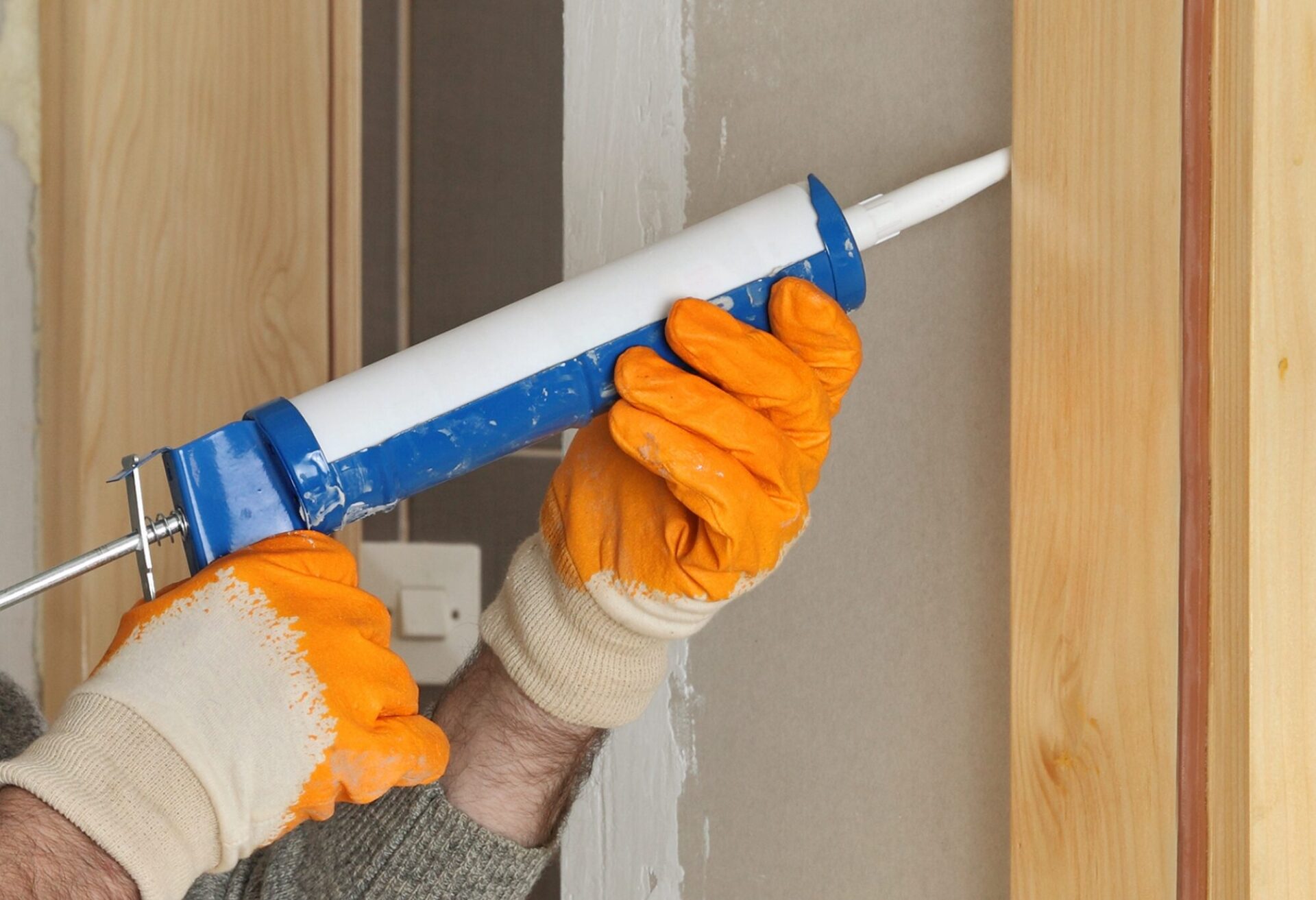
Since differences in air temperatures from inside and outside can result in condensation, one way to manage attic moisture is to seal any air leaks in the attic area and improve the level of insulation. Seal any gaps, cracks, or openings in the attic floor, walls, and ceiling to prevent warm, humid air from entering the attic space. Common areas for air leaks include zones around plumbing fixtures, electrical penetrations, recessed lighting, and attic access doors.
Homeowners should keep in mind that ventilation is also essential in preventing moisture buildup. While air sealing and insulation can dramatically improve a home’s comfort and efficiency, a tightly sealed home also needs to have the right kind of ventilation to keep indoor air fresh and maintain levels of humidity. Just like the living areas of a home, the attic space needs good ventilation to reduce humidity buildup that can cause condensation. Attic vents need to operate properly to vent excess moisture and heat that builds up in the attic.
Professional Solutions for a Dry and Healthy Attic with Wisconsin Home Improvement
Balancing a home’s comfort, efficiency, and humidity levels can get complicated. Homeowners in Wisconsin can count on the expertise of Wisconsin Home Improvement Co. LLC to provide a comprehensive approach to addressing their home’s attic condensation problems.
It might be tempting to try to save a few bucks and throw down some added insulation, but old insulation removal when current insulation is moldy or has water damage and full insulation replacement are jobs that are best left to the professionals. The Wisconsin Home Improvement team will take the time to make sure that your attic is air sealed and insulated properly with the right R-value for our northern climate.
A home performance audit by Wisconsin Home Insulation includes a comprehensive attic, basement, and exterior assessment to pinpoint your attic and interior home condensation sources. Our efficiency expert will visually confirm where under-insulated areas are located and identify the sources of condensation, moisture and mold issues. With this data in hand, we can recommend ways to solve your attic condensation problem once and for all.
Schedule a home energy audit today to identify condensation problems.