
What is Wall Insulation?
Wall insulation creates a thermal barrier between your home’s interior and the outdoors, helping regulate temperature and reduce energy loss. In many older homes, wall cavities lack insulation altogether, leading to cold drafts in winter and heat infiltration in summer. Upgrading or adding insulation to exterior walls improves indoor comfort, lowers utility bills, and minimizes noise.
WHI installs wall insulation using methods like blown-in cellulose or spray foam, depending on access and your home’s structure. For retrofit applications, we can fill wall cavities through small holes behind siding or drywall, providing complete coverage without major disruption.
Spray foam or dense-packed cellulose works well in tight spaces and conforms to obstructions like wiring and plumbing. When paired with spray foam or attic insulation, wall insulation completes your home’s energy envelope.
Whether you’re upgrading during a renovation or improving efficiency in an older property, WHI’s expert team will ensure your walls are properly sealed and insulated to modern standards.

35%
Uninsulated walls can account for 35% of a home’s heat loss
20% Cost Savings
Blown-in cellulose can reduce energy costs by up to 20%
365 Year Round Protection
Properly insulated homes are quieter and more comfortable year-round
Free Estimate (Inline)
"*" indicates required fields
How Our Wall Insulation Process Works
We assess your wall cavities, drill small access holes, and inject dense-pack cellulose or spray foam insulation. WHI ensures thorough coverage with minimal disruption and supports rebate qualification.

Structure Evaluation
We assess your wall cavities, identify any existing insulation, and develop an access plan.
Material Selection & Installation
We drill minimal-access holes and inject dense-pack cellulose or spray foam for full cavity coverage.
Patch, Review & Rebate Support
We seal all openings, walk you through the results, and help you secure available energy rebates.
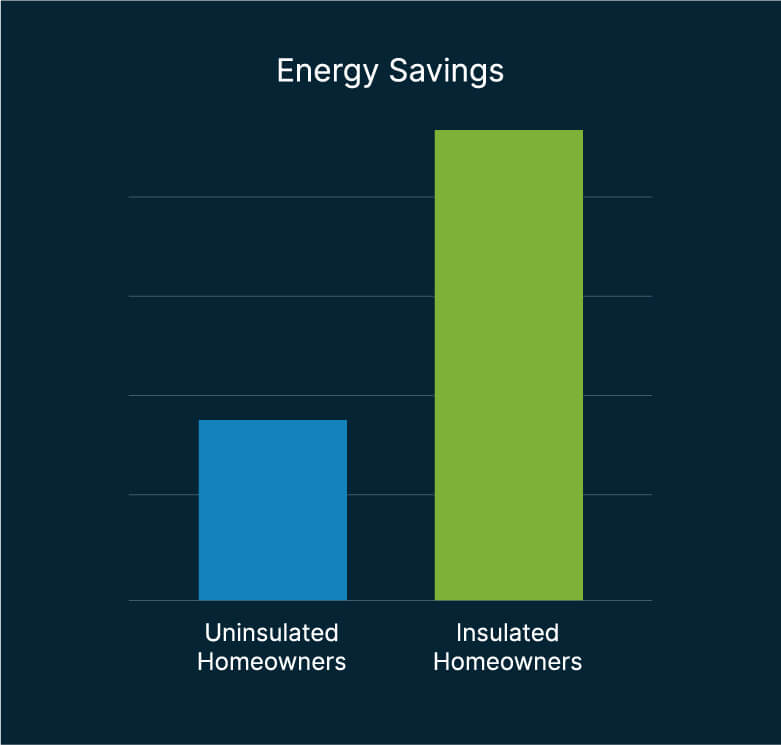
Live More Comfortably While Saving Money on Energy
Client Testimonials
Recent Posts About Insulation
Explore expert tips, energy-saving advice, and insulation insights tailored for Wisconsin homeowners. Stay informed with our latest updates


Frequently Asked Questions
If you don’t see the answer to your question, feel free to give us a call to speak with one of our friendly associates.
Why is wall insulation important?
Wall insulation helps control indoor temperatures, reduce energy bills, and improve comfort year-round. In many older Wisconsin homes, exterior walls were built with little or no insulation. This leads to drafts, cold spots, and higher heating and cooling costs. Insulating your walls helps stabilize indoor conditions, block outside noise, and prevent moisture from entering your home. WHI provides expert solutions for retrofitting insulation in finished or unfinished wall spaces.
Can insulation be added to existing walls?
Yes. WHI uses blown-in cellulose and spray foam to insulate walls without removing drywall or siding. We access wall cavities through small holes, then inject insulation using specialized equipment. This method fills gaps around wiring and pipes, ensuring even coverage and minimal disruption. Afterward, we patch the access points and clean up the area. It’s a fast and effective way to upgrade insulation in older homes.
What types of wall insulation do you offer?
WHI installs blown-in cellulose, spray foam, and fiberglass options depending on your home’s layout and goals. Blown-in cellulose is ideal for retrofitting finished walls because it conforms to obstructions and provides solid R-value. Spray foam offers excellent air sealing and thermal resistance but is more often used in open-wall construction. We help you choose the best option based on insulation goals, wall access, and budget.
How long does it take to insulate walls?
Most wall insulation projects can be completed in one to two days. The timeline depends on your home’s size, the number of walls being insulated, and the type of material used. WHI works efficiently and respects your space throughout the process. Once installed, you’ll notice improved comfort and quieter indoor environments right away.
How much energy can I save by insulating my walls?
Wall insulation can reduce your heating and cooling bills by 15% or more, depending on your home’s size, layout, and current insulation levels. The more exterior wall space you insulate, the greater the energy savings. WHI ensures insulation is installed to code and helps you qualify for energy efficiency rebates through Focus on Energy.
Are there rebates for wall insulation in Wisconsin?
Yes. Wall insulation may qualify for energy rebates when paired with other upgrades like air sealing or attic insulation. WHI handles the rebate paperwork and ensures your installation meets all eligibility requirements. These programs make it more affordable to invest in your home’s energy efficiency.