When Wisconsin summer temperatures rise, most homeowners expect their air conditioner to work a little harder. But if your AC seems to run constantly, your upstairs rooms never feel cool, or your energy bills spike every time the weather heats up, the issue may not be your cooling system.
It may be your attic.
Your attic plays a major role in how comfortable your home feels during the midwest summer. When attic insulation is thin, damaged, poorly installed, or missing in key areas, heat can build up overhead and transfer into your living spaces. That means your AC has to work harder to keep up and even then, your home may still feel warmer than it should.
The good news? With the right attic insulation strategy, you can reduce heat transfer, improve comfort, and help your cooling system work more efficiently. In some homes, spray foam insulation can be a high-performance solution for controlling both heat and air movement.
Why Your Attic Gets So Hot in the Summer
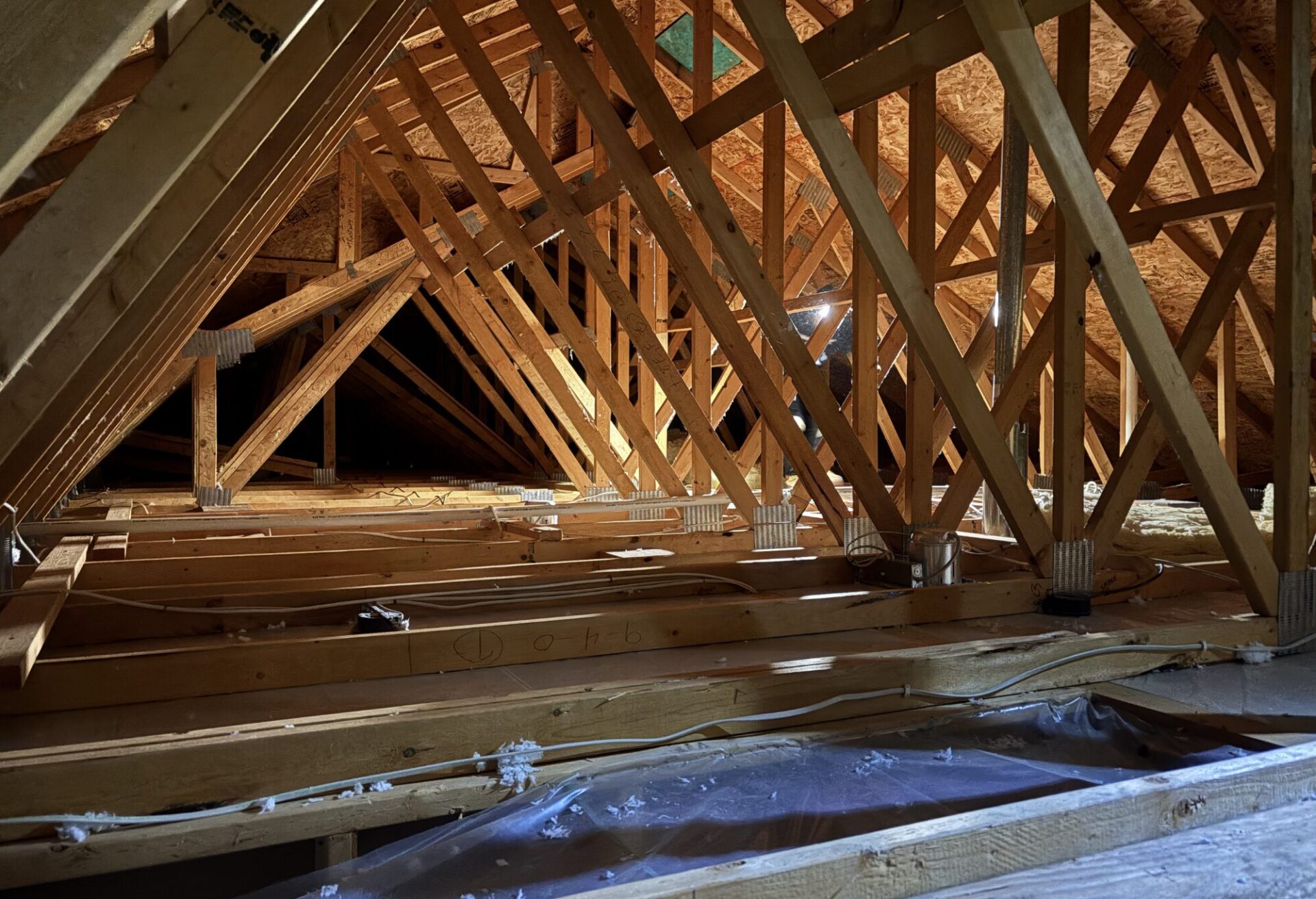
Your attic sits directly beneath your roof, which absorbs heat from the sun all day long. As your roof heats up, that heat radiates into the attic space. On a hot summer day, attic temperatures can climb far above the outdoor temperature.
When your attic is properly insulated and air sealed, that heat is better controlled. But when attic insulation is underperforming, the heat does not stay isolated in the attic. It can move into the ceiling and living areas below, especially in second-story bedrooms, bonus rooms, and other spaces directly beneath the attic.
That is why some Wisconsin homes feel uneven in the summer. The thermostat may say one thing, but the upstairs bedrooms feel much warmer. You turn the AC down, wait for the house to cool, and still find yourself uncomfortable.
Worse, still, your thermostat can’t account for humidity, which has a significant effect on how your home actually feels. An already warm home can feel much hotter and more uncomfortable when overly humid.
In many cases, the problem is not that your AC is too weak, but that your home is gaining heat faster than your cooling system can remove it.
How Poor Attic Insulation Drives Up Cooling Costs
Attic insulation is designed to slow heat transfer between your attic and the conditioned areas of your home. In the winter, it helps keep warm air inside. In the summer, it helps keep attic heat from pushing down into your living space. Air leakage from your attic causes:
- A sticky feeling indoors
- Indoor humidity load
- Decreased comfort perception
- Increased AC runtime
When that insulation is not doing its job, your AC has to make up the difference. As a result, poor attic insulation can contribute to higher cooling costs because it allows more heat to enter your home. As indoor temperatures rise, your air conditioner runs longer and more often to maintain the setting on your thermostat. Over time, that can lead to higher utility bills, more wear on your HVAC system, and less consistent comfort throughout the house.
This is especially frustrating because many homeowners respond by adjusting the thermostat. But lowering the temperature does not solve the root cause. If heat is constantly entering your home through the attic, your AC is always fighting an uphill battle.
Your cooling system should not have to fight your attic.
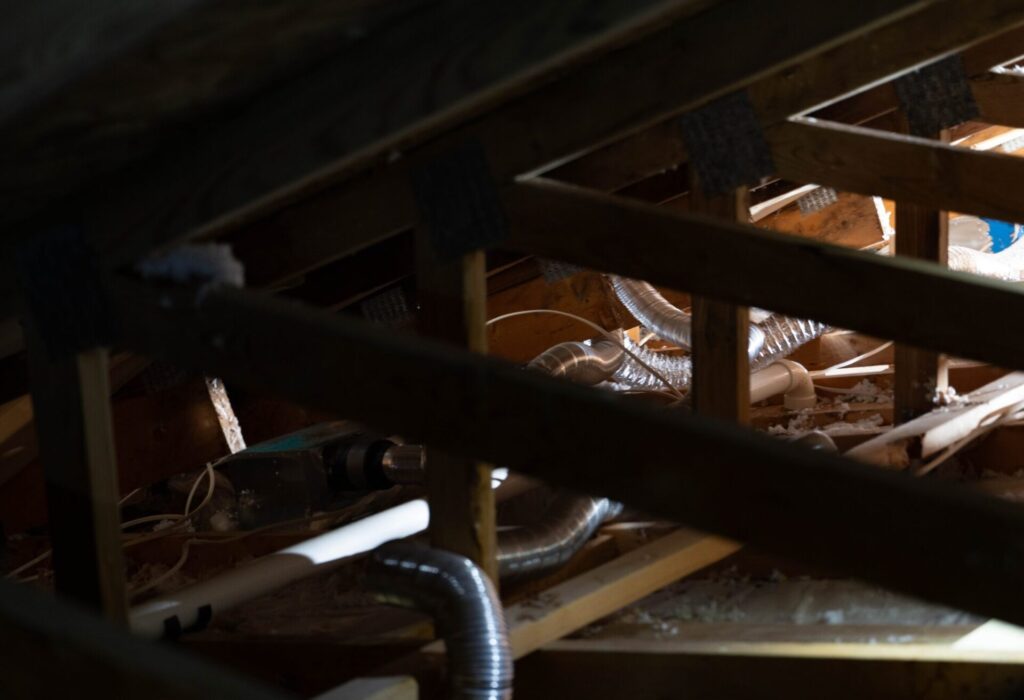
Signs Your Attic Insulation May Be Underperforming
You don’t need to climb into your attic to know something may be wrong. Your home often gives you clues. Your attic insulation may be part of the problem if you notice:
- Upstairs rooms that are hotter than the rest of the house
- An AC that runs constantly during warm weather
- Summer energy bills that seem unusually high
- Rooms that never feel comfortable, no matter where the thermostat is set
These symptoms are easy to blame on the HVAC system, windows, or the age of the home. And sometimes, those factors do play a role. But attic insulation is one of the first areas worth evaluating because it has such a direct impact on comfort and efficiency.
Insulation Alone Is Not Always Enough
Many Wisconsin homeowners assume that solving an attic problem is as simple as adding more insulation. Sometimes, that is part of the solution. But insulation works best when it is paired with proper air sealing and ventilation. Here’s why: insulation slows heat transfer, but it does not always stop air movement.
Air leaks in the attic can allow hot attic air, humid air, and conditioned indoor air to move where they should not. These leaks often happen around recessed lights, plumbing penetrations, wiring gaps, attic hatches, bath fans, and framing connections.
When air is moving through your attic, your insulation cannot perform the way it should. Even if you add more material, the home may still lose conditioned air or allow heat to enter through hidden gaps.
That is why a building science approach matters. The goal is to understand how heat, air, and moisture are moving through your home, and then solve the actual problem.
Where Spray Foam Insulation Fits In
Spray foam insulation can be a strong option for homes with persistent comfort issues, significant air leakage, or hard-to-insulate attic spaces.
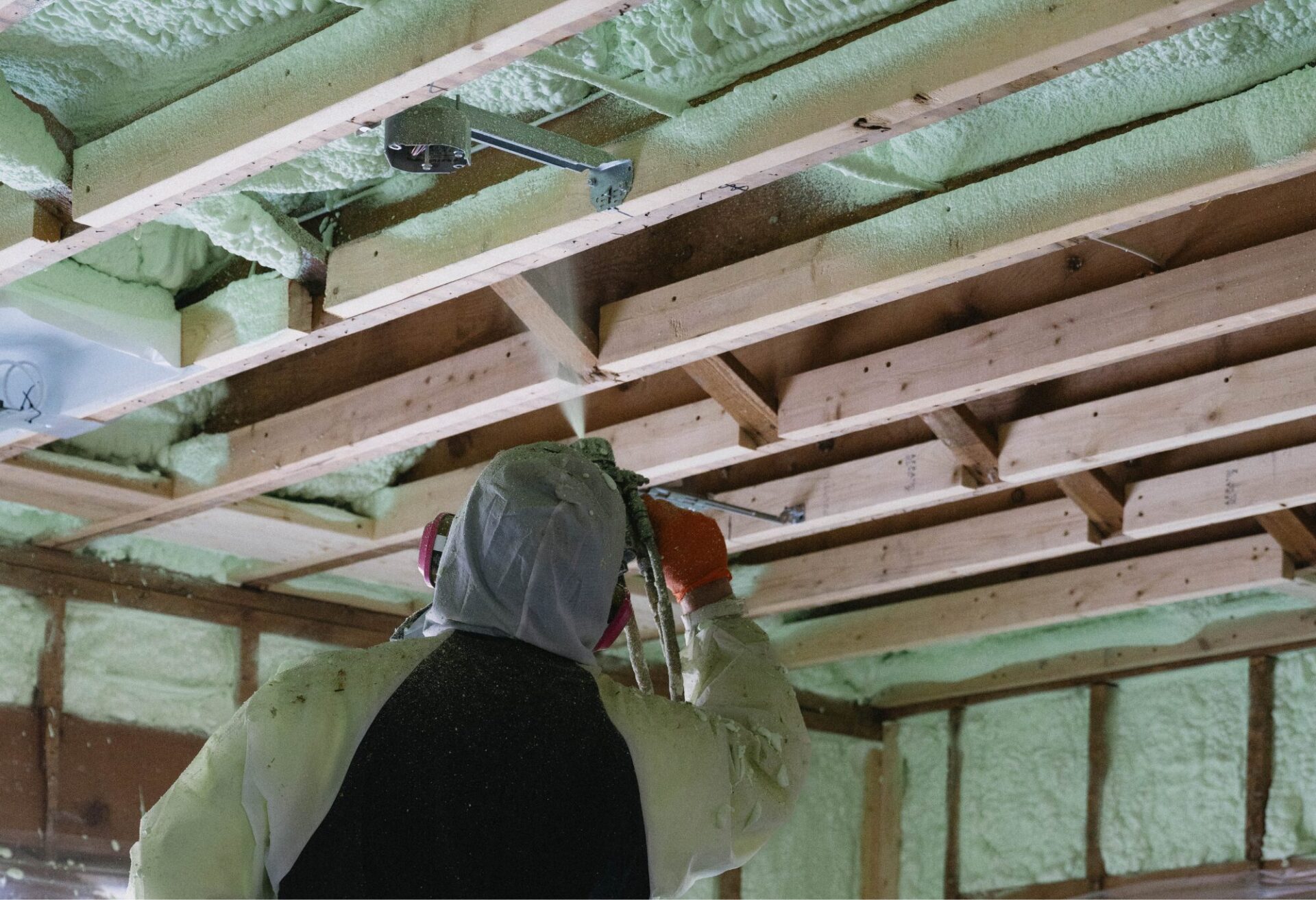
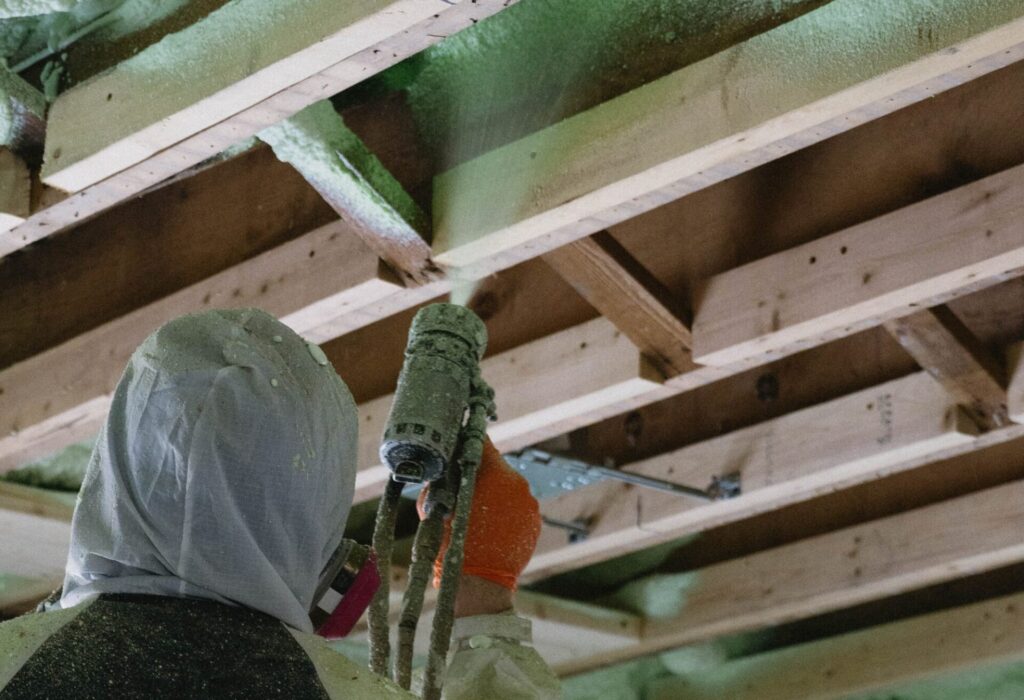
Unlike some traditional insulation materials, spray foam expands after application, allowing it to fill gaps, cracks, and irregular spaces where air movement often happens. When installed correctly, spray foam insulation can help create a more complete thermal and air barrier.
That makes it especially useful when the issue is not just lack of insulation, but uncontrolled air movement between the attic and the living space.
For Wisconsin homeowners dealing with hot upstairs rooms, high cooling costs, and an AC that never seems to catch up, spray foam may offer several benefits:
- Reduced heat transfer from the attic into living areas
- Better control of air leaks
- More consistent indoor temperatures
- Less strain on the cooling system and improved overall home efficiency
- A longer-term solution for comfort issues
However, spray foam insulation is not automatically the right choice for every attic. The best solution depends on your home’s structure, existing insulation, ventilation, moisture conditions, and overall building envelope.
That is why a professional assessment should always come first.
Spray Foam vs. Traditional Attic Insulation
Traditional attic insulation, such as fiberglass or cellulose, can be very effective when it is installed correctly and paired with proper air sealing and ventilation. In many homes, these materials are a reliable solution for improving attic performance.
But traditional insulation can lose effectiveness when it is compressed, disturbed, wet, uneven, or installed without sealing air leaks first. It also does not create an air barrier on its own.
Spray foam insulation performs differently because it can help address both insulation and air sealing in one application. It is often used when homeowners need a tighter building envelope or when the attic has areas that are difficult to seal with conventional materials.
A well-performing attic may require one or more of the following:
- Air sealing
- Additional attic insulation
- Spray foam insulation
- Ventilation improvements
- Removal or replacement of damaged insulation
- Moisture or condensation corrections
The key is diagnosing the full picture before recommending a fix.
Why a Professional Attic Assessment Matters
Every home is different. Two houses on the same street can have completely different attic insulation needs based on age, construction style, ventilation, past renovations, and existing air leaks. That is why a professional attic assessment is so important.
During an evaluation, an insulation expert can look at how your attic is currently performing and identify what is contributing to heat buildup, cooling loss, and comfort issues. They can evaluate whether your insulation is sufficient, whether air leaks are present, and whether ventilation is helping or hurting your home’s performance.
Here’s a full breakdown of the process:
- Initial Consultation – We start by listening to your concerns, from cold drafts to humidity problems, so we know what you’re experiencing.
- Whole-Home Inspection – Our team examines your attic, basement, exterior walls, and key systems to identify areas where energy is being lost.
- Infrared Thermal Imaging – Specialized cameras reveal hidden gaps in insulation and areas where heat is escaping.
- Blower Door Test – By adjusting air pressure inside your home, we pinpoint air leaks that waste energy and impact comfort.
- Moisture & Mold Assessment – We look for problem spots that can lead to condensation, mold, or ice dams in Wisconsin’s harsh climate.
- Results & Recommendations – Finally, we review your audit results in plain language, explain what they mean, and outline your best next steps.
Without that diagnosis, it is easy to spend money on a solution that does not fully address the problem. For example, adding insulation over unsealed air leaks may improve performance somewhat, but it won’t stop the air movement that is driving your comfort issues. Likewise, installing spray foam without considering ventilation and moisture can create new problems if the attic is not evaluated properly.
A building science-based approach helps ensure your home gets the right solution—not just more material.
Better Attic Insulation Means Better Summer Comfort
The benefits of improved attic insulation go beyond lower energy bills. When your attic is properly insulated and air sealed, your home can feel more stable and comfortable. Upstairs rooms may stay cooler. Your AC may not need to run as often. Temperature swings may become less noticeable. The home may feel more balanced from room to room.
That comfort matters, especially during Wisconsin summers when heat and humidity can make certain areas of the home difficult to enjoy. A better-performing attic can also support your home’s long-term durability. By managing heat, air, and moisture more effectively, you can help reduce the conditions that contribute to condensation, mold, mildew, and other home performance issues.

Schedule a Free Home Energy Audit
If your home feels hot, uncomfortable, or expensive to cool, your attic may be part of the problem.
Wisconsin Home Improvement helps homeowners understand what is really happening inside their homes. We look beyond surface-level symptoms to evaluate attic insulation, air sealing, ventilation, and overall home performance. From there, we recommend solutions designed around your home, not a one-size-fits-all fix.
Ready to find out whether your attic insulation is driving up your cooling costs? Schedule your free home energy audit today and discover a smarter way to keep your home comfortable this summer.