

With highs in the summer topping 90 degrees in some areas and winter lows dipping below zero, effective home insulation is critical in keeping a Wisconsin home comfortable all year long. Choosing insulation with the right R-value can help keep a home cozy in the winter and cool throughout the summer, which adds up to lower utility costs and a more pleasant living experience.
What Is R-Value?
R-value refers to the thermal resistance of insulating materials. In the case of home insulation, R-value indicates the insulation’s effectiveness in preventing heat transfer — keeping warm air inside during the winter and outside during the summer. R-values are measured per inch of thickness for insulation. Home insulation R-values range from R13 to R60.
Room by Room Recommended R-Values for Wisconsin Homes
R-value recommendations are established based on the climate where the home is located. The U.S. is divided into seven climate zones from one, which includes only the southernmost tip of Florida where little insulation is required, to seven, which includes the northernmost parts of Wisconsin as well as parts of Maine, North Dakota, Minnesota, Michigan, and some mountainous areas of Wyoming and Colorado. Most of Wisconsin is located in zone six.
Wisconsin R-value requirements are also different from room to room, as heat transfer occurs more frequently in certain areas.
Interior and Exterior Walls
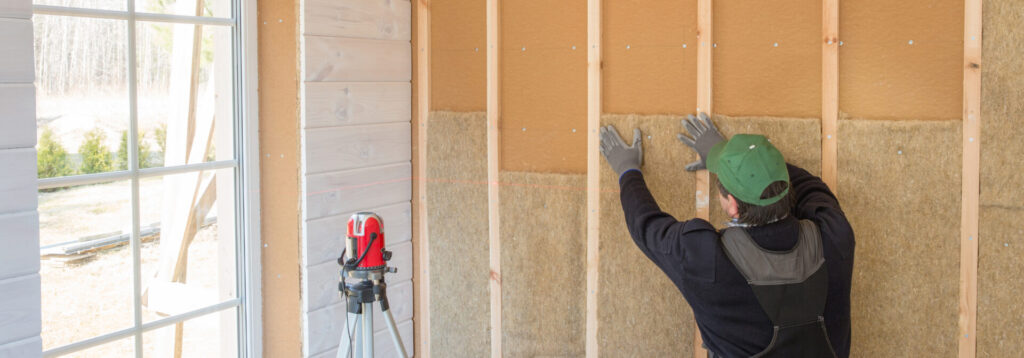
Interior and exterior walls generally have different insulation R-value requirements. In new construction, many interior walls are not built with insulation because building codes do not require it. Interior wall insulation has a much smaller impact on energy efficiency than exterior wall insulation because it is more important to keep outside elements out than to prevent heat transfer between interior rooms. However, many homeowners may choose to add interior wall insulation to maximize efficiency or implement sound proofing, in which case a lower R value is sufficient.
Exterior walls require higher R values to prevent heat transfer. In zones six and seven, which cover Wisconsin, the U.S. Department of Energy (DOE) recommends insulation rated between R20 and R25.
Basements and Crawl Spaces
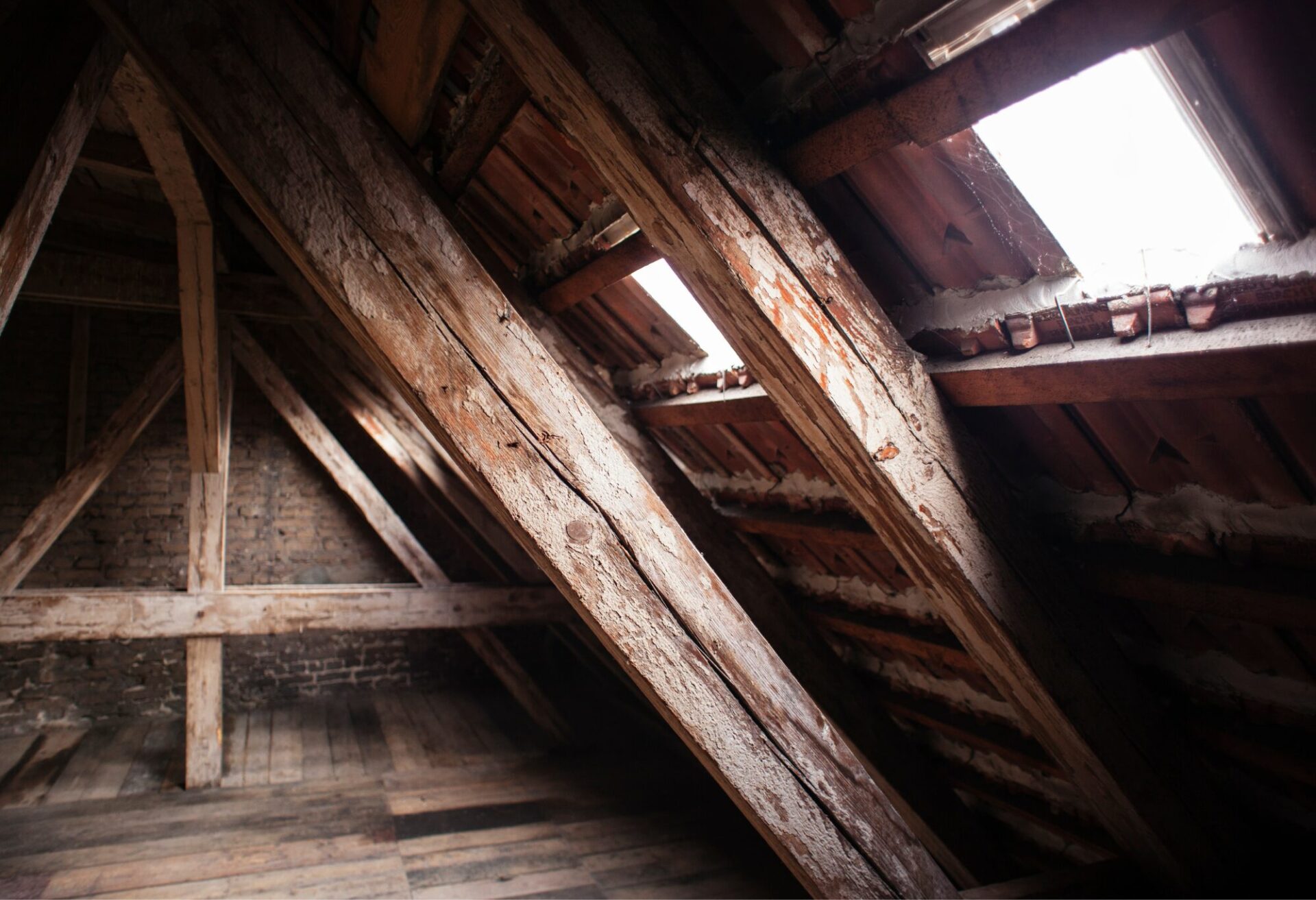
Insulation R-value requirements are higher for basements and crawlspaces. Uninsulated or poorly insulated basements and crawlspaces can lead to a huge amount of energy loss. For Wisconsin zones 6 and 7, the DOE recommends adding insulation that is rated R19 (for batts) or R15 (for wall sheathing).
Choosing the Right Type of Insulation Based on R-Value
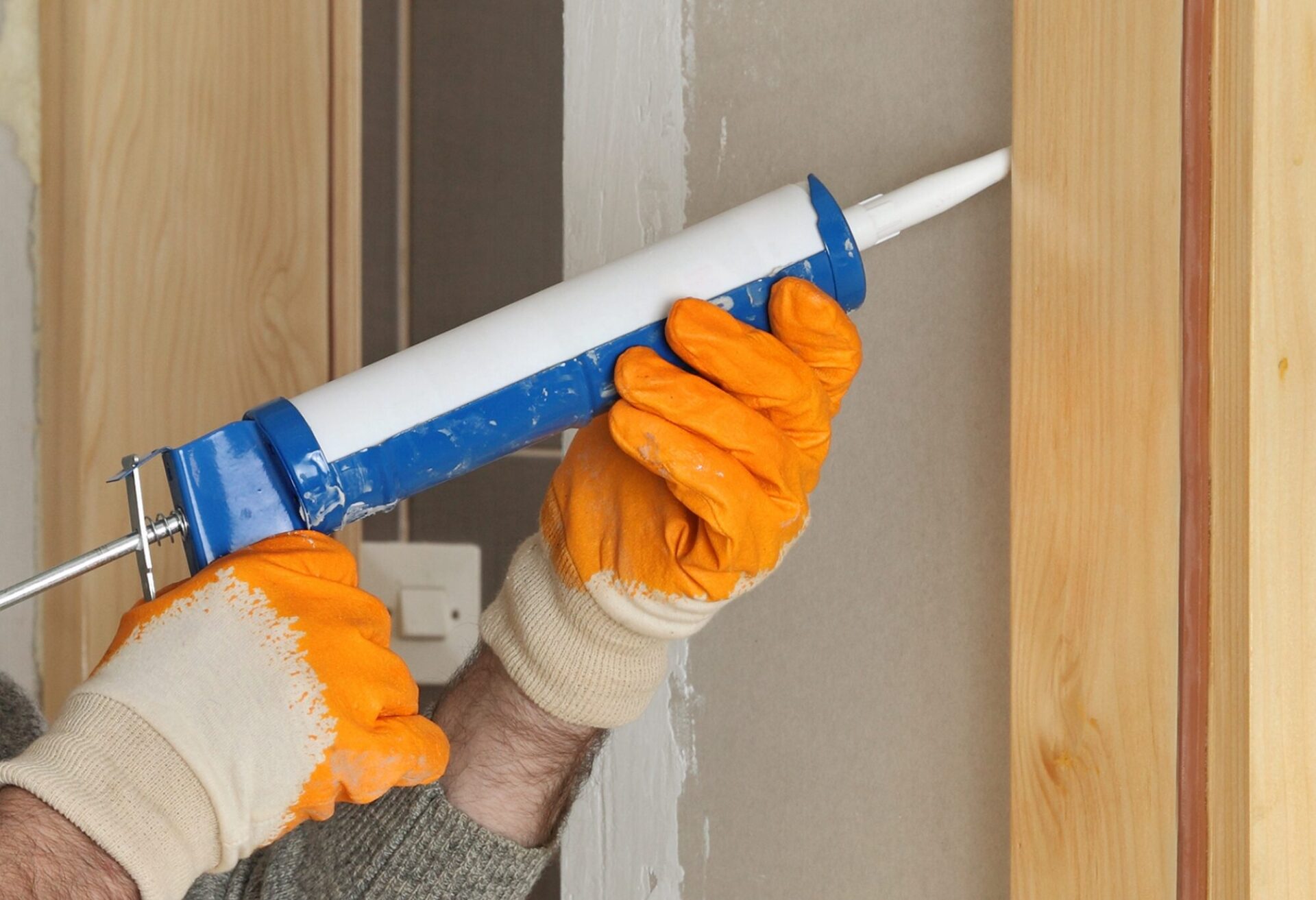
Different types of insulation have different R-values. The highest R-value in home insulation is typically found in foam board insulation, also known as rigid foam sheathing, which has an average R-value of 3.6 to 8.0 per inch. Installing rigid insulation is often done in conjunction with blanket insulation, with spray foam used to seal any gaps around windows.

Spray Foam Insulation
After rigid insulation, spray foam insulation has the highest R-value per inch, making it a popular option for insulation attics and crawlspaces. Open cell spray foam insulation is less dense and typically has an R-value between 3.6 and 3.9 per inch while the denser closed cell spray foam insulation has an R-value between 6 and 7 per inch. Generally, however, open cell is not offered in Wisconsin due to our climate and extreme temperatures.
Blown In Insulation
Blown in insulation, also known as loose-fill insulation, is blown into under insulated spaces using a blower machine. Blown in insulation can be made from cellulose, fiberglass, or rock wool.
- Fiberglass: Tiny threads of glass are packed together to make loose fill fiberglass insulation, which has an R-value of between 2.5 and 3.5 per inch.
- Cellulose: Often made from recycled newspaper and treated with chemicals that make it fire resistant, blown in cellulose insulation can have an R-value between 3.2 and 3.8 per inch.
- Rock wool: Similar to fiberglass but made from volcanic rock, rock wool insulation offers an R-value between 3.0 and 3.7 per inch.
Update Your Insulation with Wisconsin Home Improvement
Updating your home’s insulation to ensure recommended R-values, particularly in attics, basements, and crawl spaces, can make a huge difference for your home. Not only will living spaces be more comfortable year-round, but you may also see drastic cuts in the cost of your utility bills. The experts at Wisconsin Home Improvement Co. LLC can help answer all insulation questions, including:
- How much insulation do I need?
- What is the best type of insulation for my current home?
- What are the insulation R-value requirements for my home?
Wisconsin Home Improvement technicians can even conduct a home audit to determine where updated insulation is most desperately needed and help you create a plan to tackle the process. Contact us today for a consultation and treat yourself to a more comfortable, more energy efficient home.