Energy costs are rising, and for Wisconsin homeowners, that’s not just a headline. It’s showing up in higher monthly bills, less consistent home comfort, and growing frustration during peak winter and summer months.
With freezing winters, humid summers, and increasing demand on the energy grid, 2026 is shaping up to be a year where home efficiency matters more than ever.
The good news? While you can’t control utility rates, you can control how efficiently your home uses energy.
Why Are Energy Costs Rising in 2026?
There’s no single reason energy bills are going up. It’s a combination of factors happening at the same time:
- Increased demand during extreme weather events
- Infrastructure upgrades to aging energy systems
- Shifts toward renewable energy, which can raise short-term costs
- Inflation impacting fuel, labor, and maintenance
In a climate like Wisconsin’s, where heating costs dominate for much of the year, even small rate increases can have a noticeable impact on your monthly expenses.
The Real Problem: Energy Loss in Your Home
Many homes aren’t just experiencing higher costs. They’re amplifying those costs due to inefficiencies. That means you may be paying more than necessary to heat and cool your home.
When energy costs go up, inefficient homes feel it first and hardest. In most cases, the issue isn’t your furnace or AC unit. It’s your building envelope, the system that controls how air moves in and out of your home.
Common problem areas include:
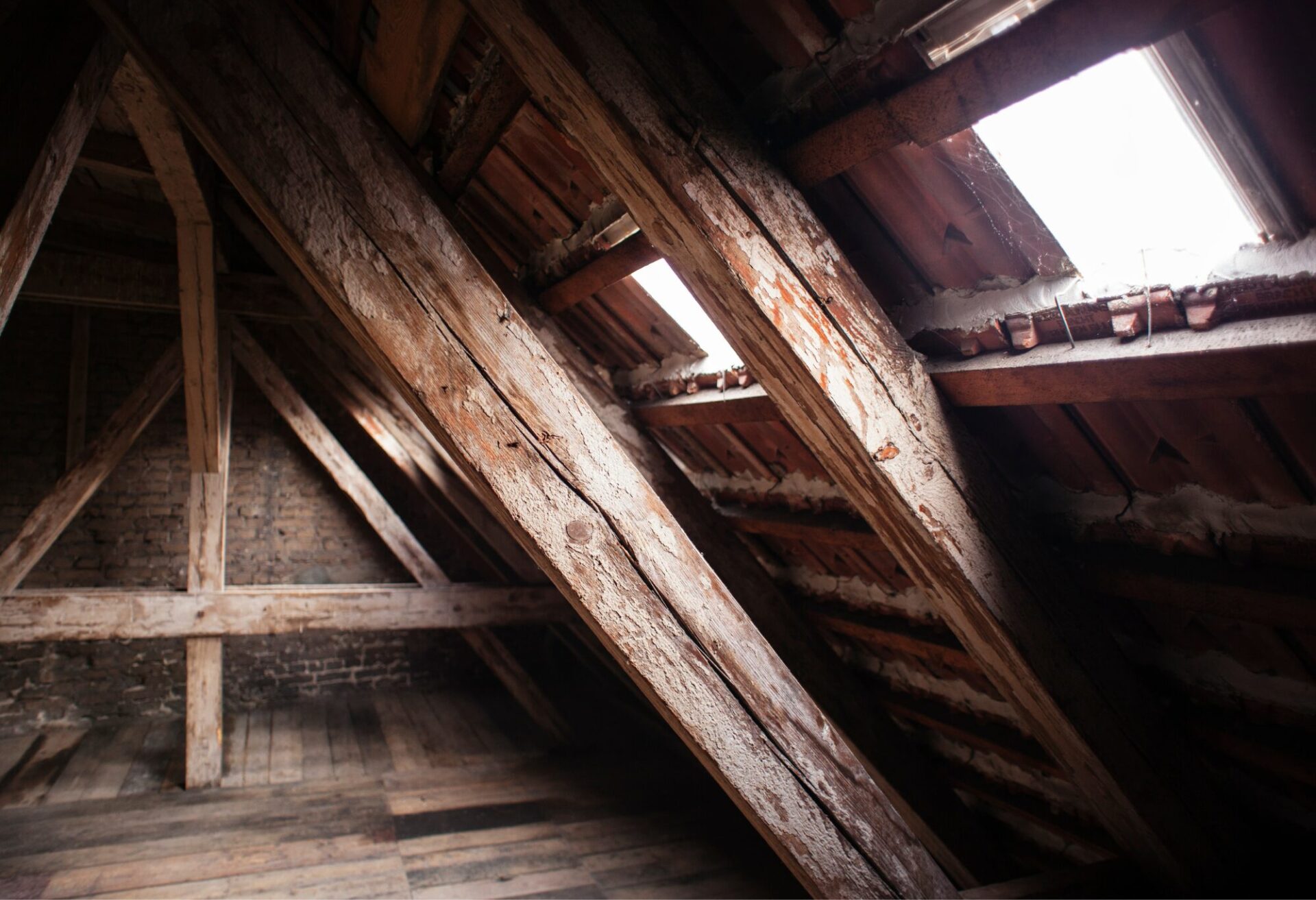
- Attics where heat escapes in winter
- Air leaks around penetrations, wiring, and framing
- Poorly insulated walls and rim joists
- Imbalanced ventilation, leading to moisture and comfort issues
Beyond increasing your energy bills, these problems also lead to:
- Uneven temperatures
- Ice dams in winter
- Humidity issues in summer
- Poor indoor air quality
Why “Using Less Energy” Isn’t Enough
A lot of homeowners try to manage rising costs by turning down the thermostat, using space heaters or window units, or adjusting daily habits.
While these changes can help slightly, they don’t address the root issue: your home may be losing energy faster than it should. That’s why focusing only on usage often leads to frustration.
The Smarter Approach: Improve Your Home’s Efficiency
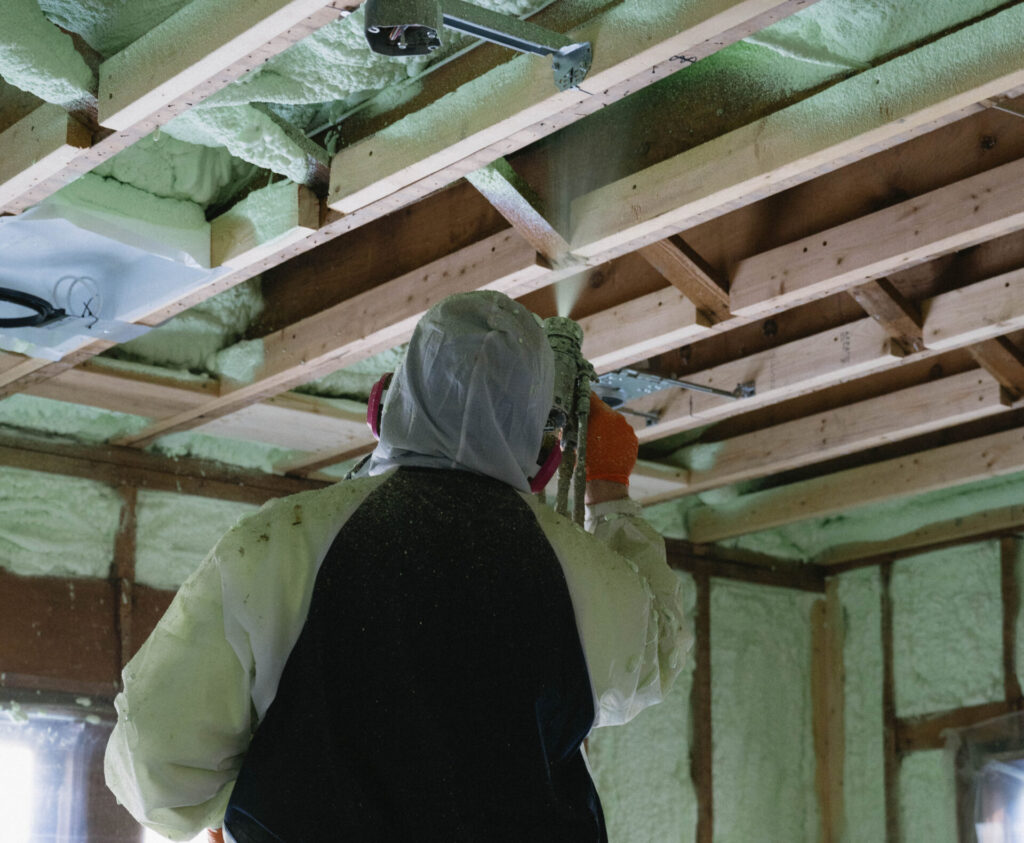
Instead of trying to use less energy in an inefficient home, the better approach is to make your home perform better. That starts with addressing the areas where energy is being lost.
Key improvements include:
- Air Sealing — Stops uncontrolled airflow, the #1 cause of energy loss in many homes.
- Attic Insulation — Helps maintain consistent temperatures and prevents heat from escaping in winter.
- Wall & Rim Joist Insulation — Targets overlooked areas that significantly impact comfort and efficiency.
- Ventilation Improvements — Balances airflow to improve air quality and reduce moisture issues.
When done correctly, these go beyond lowering your energy bills to
- Improve year-round comfort
- Reduce strain on HVAC systems
- Prevent long-term issues like mold or ice dams
- Create a healthier indoor environment
How Much Could You Actually Save?
Every home is different, but improving insulation and air sealing can lead to noticeable reductions in energy usage, especially in older or under-insulated homes.
For example, a poorly insulated attic can allow significant heat loss during winter. Proper air sealing and insulation can reduce that loss and stabilize indoor temperatures. The key is understanding where your home is losing energy because that’s where the biggest savings come from.
Available Incentives & Credits in 2026

To help offset rising energy costs, there are programs available that make efficiency upgrades more accessible.
Depending on your project, you may qualify for:
- The Wisconsin Home Improvement Home Comfort Credit, providing up to $1,200 in immediate savings on qualifying home energy projects over $5,000.
- Focus on Energy Rebates, providing a rebate of a minimum of $1500 on qualifying projects, regardless of income.
- The Federal Home Electrification and Appliance Rebates (HEAR) program, offering significant rebates on qualifying energy-efficient projects
These incentives can significantly reduce upfront costs, making it easier to invest in long-term improvements.
Why a Home Energy Audit Matters More Than Ever
With energy costs rising, guessing isn’t a strategy. A professional home energy audit gives you a clear understanding of:
- Where your home is losing energy
- What’s causing comfort issues
- Which improvements will have the biggest impact
More importantly, it ensures you’re not wasting money on solutions that don’t address the real problem.
At Wisconsin Home Improvement, we take a building science approach that involves looking at your home as a complete system, not just isolated issues. That means you get a solution designed specifically for your home, not a one-size-fits-all recommendation.
What Wisconsin Homeowners Should Do Next
If you’ve noticed higher energy bills or inconsistent comfort, now is the time to act.
Start with these steps:
- Pay attention to the signs — Drafts, uneven temperatures, or rising bills all point to inefficiency.
- Avoid temporary fixes — Quick solutions rarely solve the root cause.
- Get a professional assessment — Understanding your home is the first step to improving it.
Take Control of Your Energy Costs
Energy prices may continue to rise, but your home’s performance doesn’t have to stay the same. By improving your home’s efficiency, you can:
- Lower your monthly energy costs
- Create a more comfortable living environment
- Protect your home from long-term damage
- Gain confidence that your home is working as it should
Schedule Your Free Home Energy Audit
If you’re ready to stop guessing and start solving the problem, we’re here to help. Call (262) 345-9922 to schedule your free home energy audit today and find out exactly where your home is losing energy, and how to fix it for good.