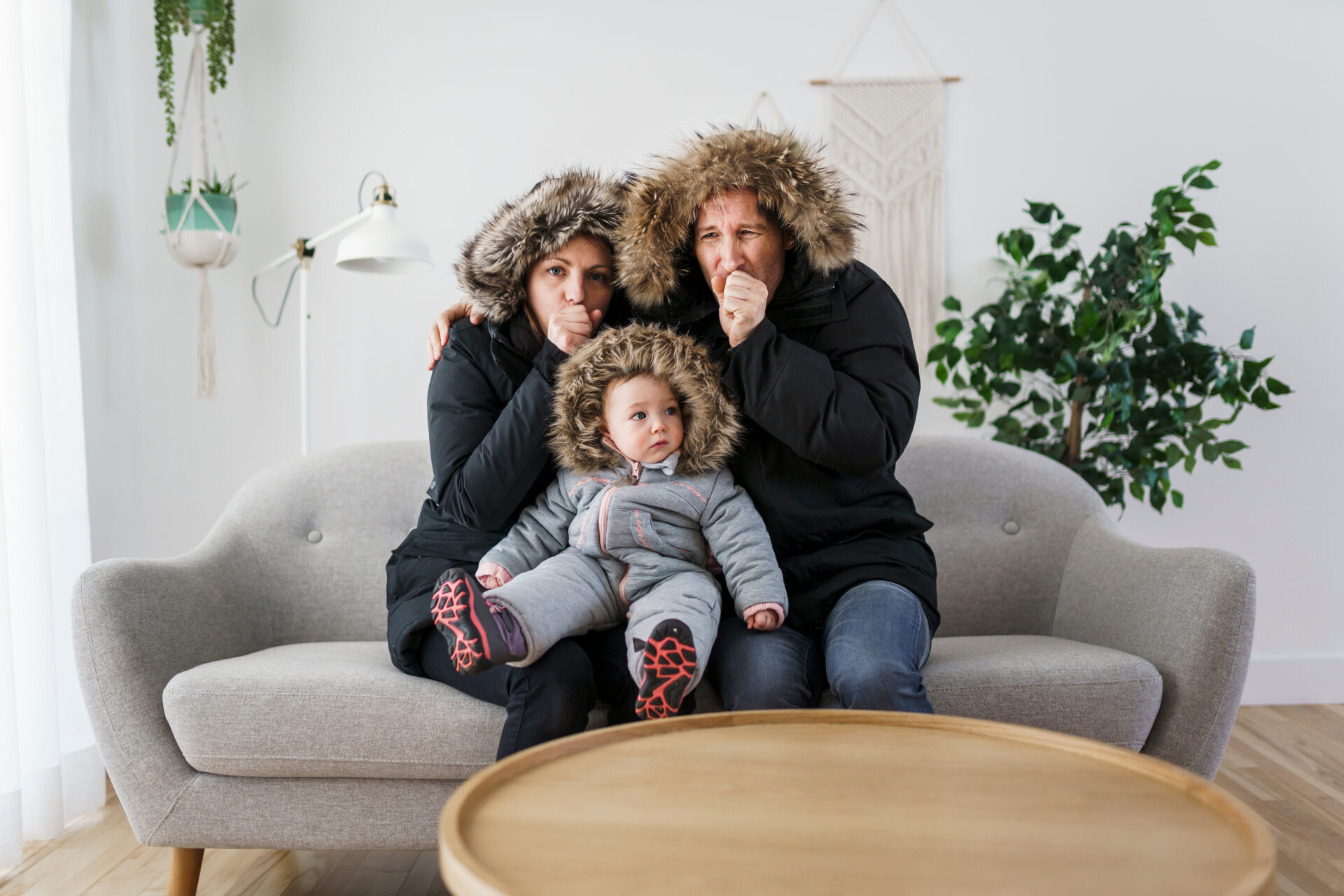
Understanding how heat and cold could penetrate a home and make it less comfortable is key to making energy efficient upgrades. Thermal bridging is one way that a home’s interior becomes vulnerable to outside temperatures, leading to uncomfortable living spaces and higher energy bills.
Understanding Thermal Bridging and How It Occurs
Thermal bridging occurs when the temperature outside penetrates a building through a weak point in the exterior that literally serves as a bridge to the inside. This may occur where there is a gap in existing insulation or where an essential construction element, such as a joist made of a conductive material, meets the exterior wall and allows heat and cold to travel across the “bridge.” Although some thermal bridging is an unavoidable part of building a structure, it is the result of aging or poorly installed insulation in some cases.
Identifying the Symptoms of Thermal Bridging
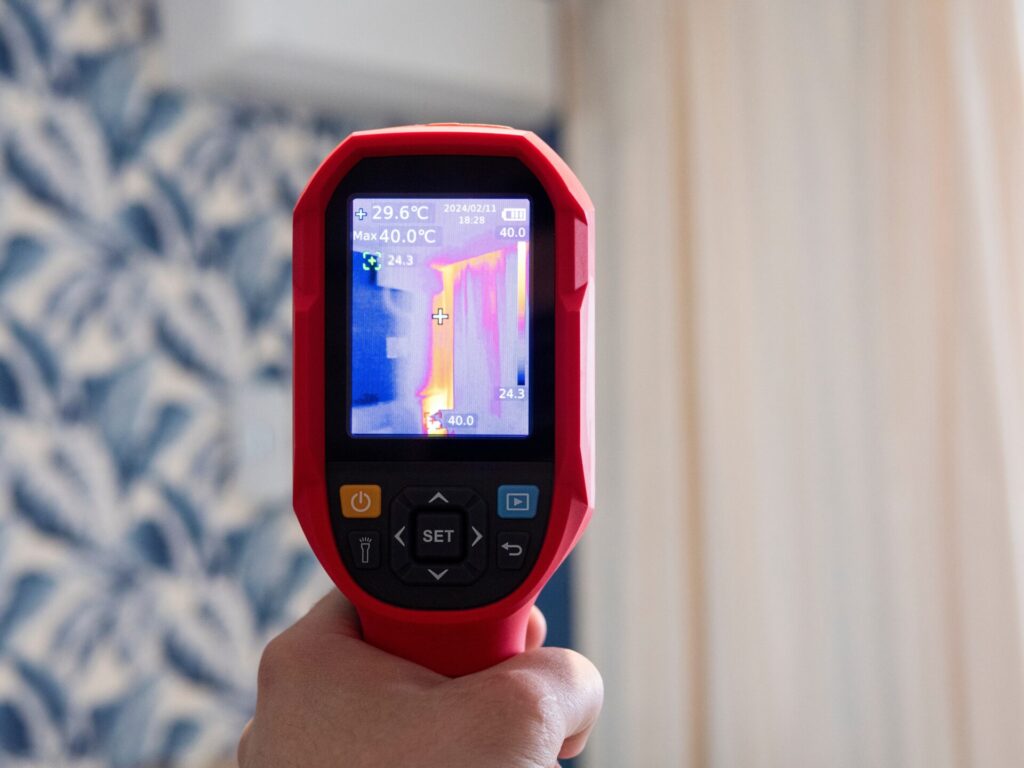
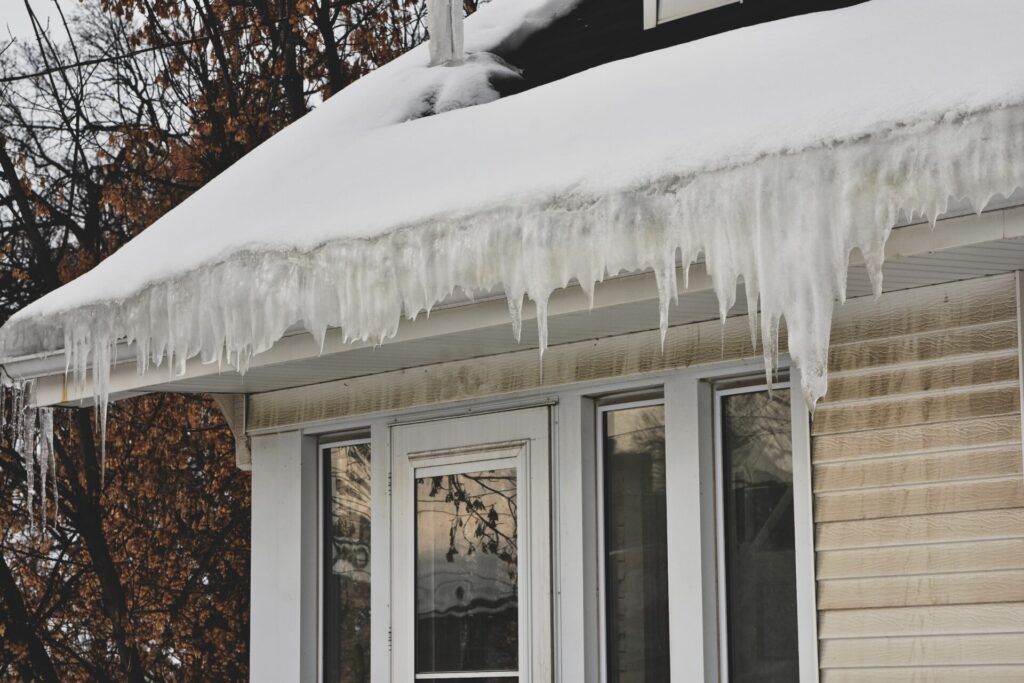
Because variable indoor temperatures may be a sign of many different types of issues, it’s not always easy to determine when thermal bridging is the problem. Some home inspectors have access to thermal cameras, which can show unexpected temperature variations on the interior wall, but most homeowners do not have this type of equipment. However, it’s still possible to identify potential thermal bridging zones by looking out for the following:
- Ice dams or snow stripes on the roof
- Condensation, mold, or mildew
- Areas on interior walls that are colder than the surrounding wall
How to Prevent Thermal Bridging
Homeowners wondering how to prevent thermal bridging may be out of luck if thermal bridges already exist in their homes. However, in many cases, it’s possible to stop thermal bridging or mitigate its effects through installing proper insulation or retrofitting, when necessary.
Retrofitting Existing Buildings
When extensive thermal bridging occurs in existing buildings, a retrofit may be required to improve homeowner comfort and energy efficiency. There are a few ways to retrofit a home to minimize the impact of thermal bridging, including:
- Improving insulation between exterior walls and interior
- Installing thermal breaks between conductive materials
Properly Insulating New Buildings
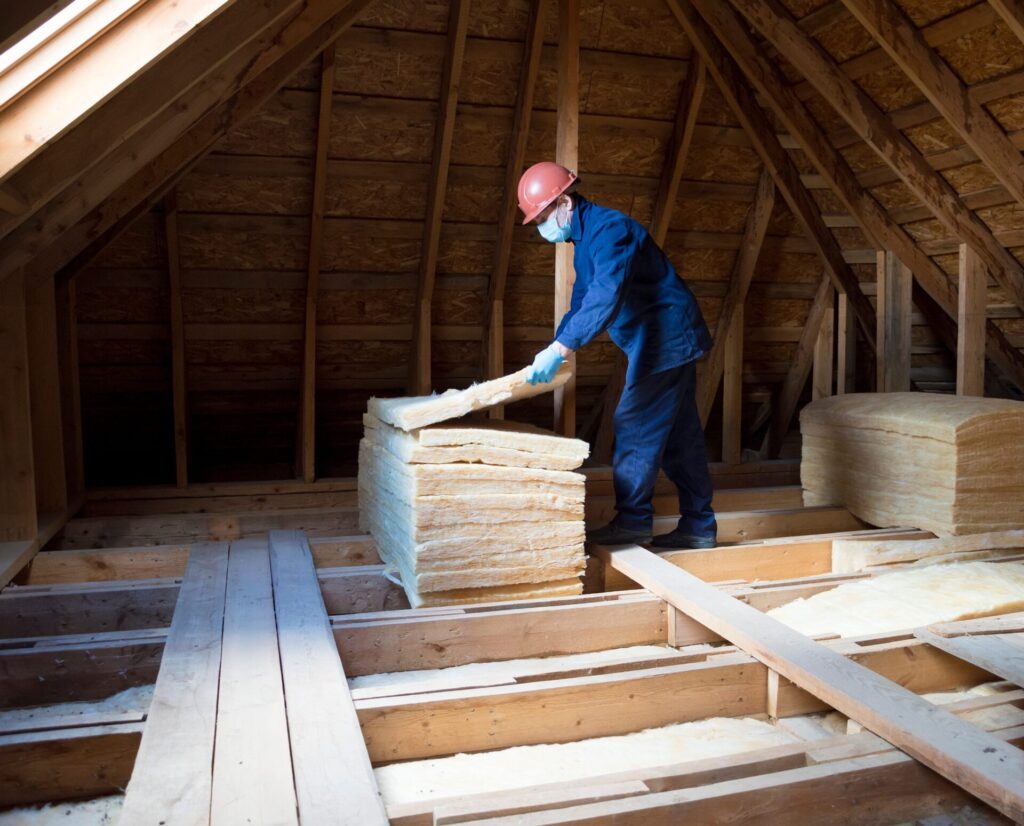
It is certainly easier to minimize thermal bridging in new construction rather than in a retrofit process. Proper insulation is key to ensuring a comfortable temperature indoors all year round. Ensuring that exterior walls, basements, crawl spaces, and attics are fitted with insulation that has the correct R-value for the home’s location is key. Most of Wisconsin is in climate zone 6, which calls for exterior wall insulation that is rated between R20 and R25 and basement and crawl space insulation rated between R15 and R19, depending on the type.
Consult the Experts at Wisconsin Home Improvement
Whether you know that your home is suffering the ill effects of thermal bridging, or you just want an expert opinion on your home’s energy efficiency, Wisconsin Home Improvement can help. Our experts can conduct a home energy audit to determine if there are areas where your home is losing heat in the winter and recommend the best course of action. Call or reach out online to schedule your consultation today.