
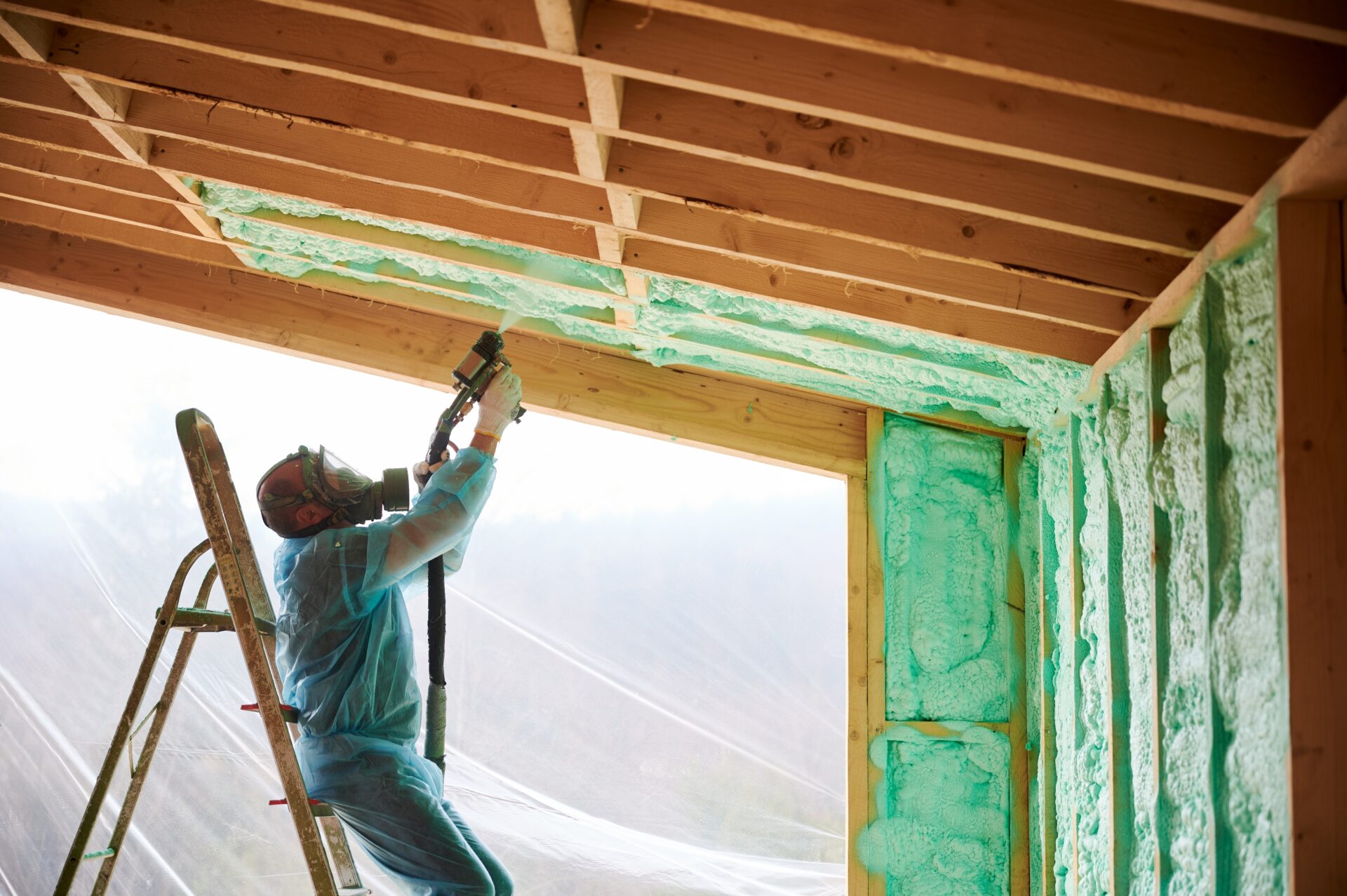
Creating a home that is safe, comfortable, and energy efficient is not a simple task. Improving your insulation can make a big difference in energy bills and interior comfort, but it can be challenging to choose the right type for your needs. Spray foam insulation is a safe and effective choice that many homeowners should consider.
Introduction to Spray Foam Insulation
Spray foam insulation, also known as spray polyurethane foam (SPF), is a plastic material that is sprayed on as a liquid that expands to fit a space as it dries.
What Is Spray Foam Insulation
Spray foam insulation is used as an insulation material as well as to seal air leaks, gaps, and cracks in a building’s interior that could lead to inefficient heating and cooling. Installing spray foam wall insulation in new construction is one way to take advantage of this type of insulation, but it is also commonly used in crawl spaces and attics.
Benefits to Using Spray Foam Insulation
First, spray foam insulation is effective at keeping heated or cooled air inside and the weather outside to achieve maximum indoor comfort and HVAC efficiency. Expert spray foam insulation contractors can also tell you that this type of insulation offers a superior moisture barrier and protection against mold and mildew as well as a higher R value compared to other types of insulation and a longer life span.
Common Myths About Spray Foam Insulation
As with any home improvement choice, the level of misinformation on the internet about spray foam insulation is astonishing. However, the experts know that this type of insulation is safe, cost-effective, and extremely durable.
1) Spray Foam Insulation Is Too Expensive
One common misconception is that spray foam insulation cost is not worth it compared to other types of insulation, leaving some homeowners with the impression that spray foam insulation is simply too expensive to be practical. However, when you consider its efficacy and durability, spray foam insulation is often worth the initial higher investment.
Analyzing Spray Foam Insulation Cost
It is true that when comparing spray foam insulation vs. fiberglass, fiberglass insulation is typically less expensive per square foot. However, fiberglass insulation also has a lower R value, meaning it offers less energy efficiency and a shorter lifespan. As result, it will need to be replaced sooner than spray foam. When all these aspects are weighed against one another, the cost of spray foam insulation is comparable to other types of insulation.
2) Spray Foam Insulation Is Unsafe
Every homeowner wants to make sure that the choices they make for their homes are not going to negatively impact the health of their families. Another common misconception is that spray foam insulation is unsafe.
Spray Foam Insulation Is Safe
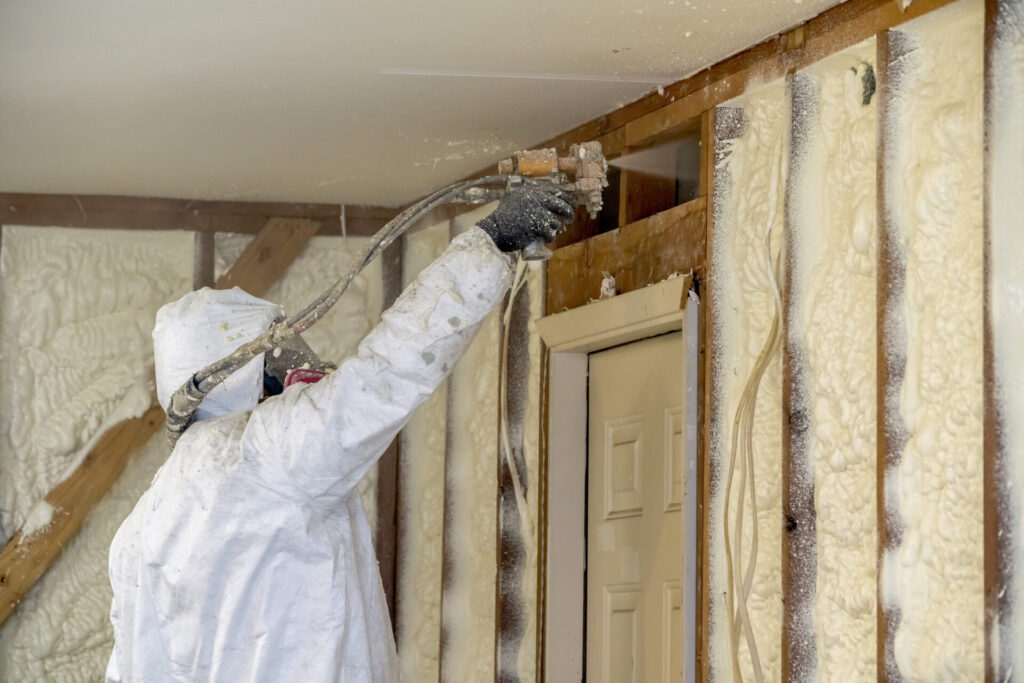
Once installed correctly, spray foam insulation is safe. As with any type of insulation, spray foam insulation should be installed by professionals. The concerns with spray foam insulation come from the chemical reaction that occurs during installation. The related airborne particles, such as dust and chemical vapors, can pose a health risk but only during the installation process, not once the insulation is dry, within 12 to 24 hours of installation.
Safety Precautions During Installation
Homeowners are not present during installation, and spray foam installation professionals wear the appropriate personal protective equipment to mitigate any risk from the spray foam insulation machine or the insulation itself.
3) Spray Foam Insulation Is the Only Flammable Insulation
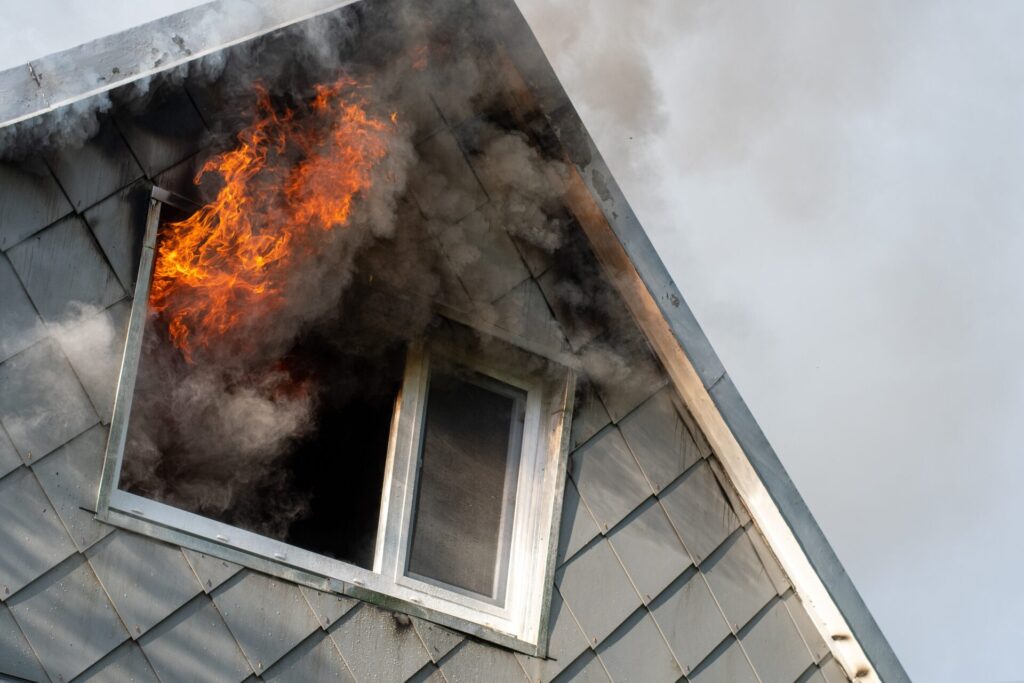
Is spray foam insulation flammable? No one wants to think about the worst-case scenario of his or her home catching fire, but the reality is that these things can happen, although rarely. It is a myth that spray foam insulation is more flammable than other types of insulation, apart from fiberglass and mineral wool, which are non-combustible on their own.
Spray Foam Insulation Is Treated with Flame Retardants
Before installation, spray foam insulation is treated with flame retardants, which prevent the spray foam from igniting in case of a fire. Depending on the type of spray foam used, an intumescent coating, which expands to protect the underlying material in case of a fire, may be applied on top of the spray foam for additional protection.
4) Spray Foam Insulation Doesn’t Last Long
Because spray foam insulation can cost more to install than other types of insulation, homeowners naturally want to be assured of its durability. There is a common myth that spray foam insulation does not last long and will need to be replaced within a few years. The truth is that when it is installed correctly, spray foam insulation can last between 80 and 100 years.
5) All Spray Foam Contractors Are the Same
Finding the right spray foam insulation contractor can be the difference between a great experience and one that is plagued with questions about efficacy and safety. Not all spray foam contractors are the same. It is important to find an installation expert who knows why spray foam is the best choice for your home and will make sure you understand and feel confident in the process from the very beginning.
Consult Professionals with Any Spray Foam Insulation Questions or Requests
If you are a homeowner who wants to have a comfortable and energy efficient home for all weather, now is the time to consider spray foam insulation. At Wisconsin Home Improvement Co. LLC, our team of insulation experts has helped hundreds of homeowners make the right choice for their homes and families. If you’re ready to make an upgrade or just have questions about what type of insulation is best for you, contact our team today.