
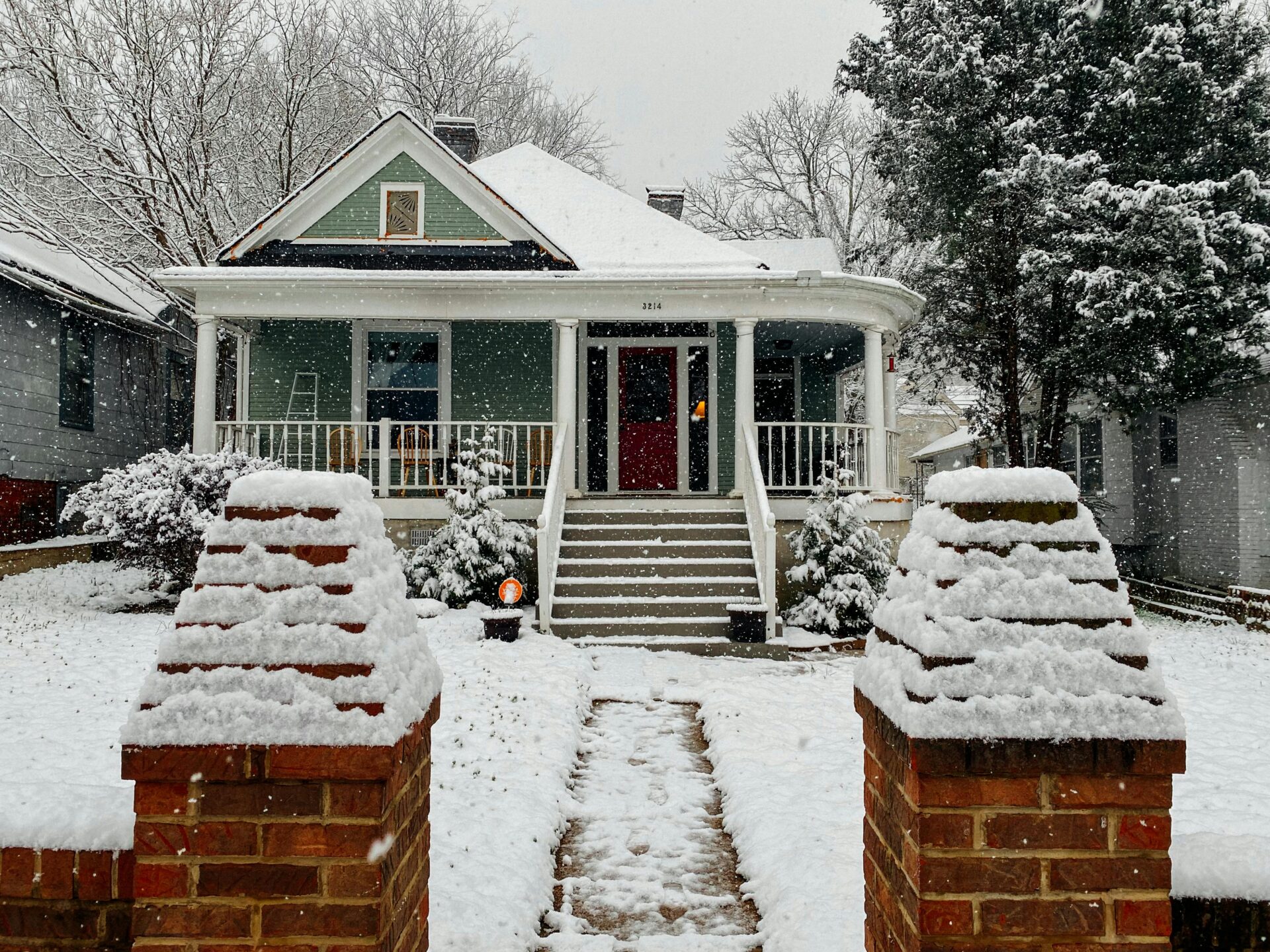
Winter in Wisconsin brings more than snow-covered trees and cozy nights by the fire. It also brings one of the most common (and frustrating) homeowner issues: ice dams.
At Wisconsin Home Improvement, we see ice damming every year. While many homeowners focus on shoveling snow or chipping ice from the roof, the real cause of ice dams often lies beneath the surface: inside your home’s insulation, air sealing, and ventilation systems.
Here’s what every Wisconsin homeowner should know about preventing ice dams and protecting your home from costly winter damage.
What Are Ice Dams and Why Do They Happen?
An ice dam forms when heat from your home escapes into the attic, warming the underside of the roof and melting the snow above. The melted snow flows toward the colder roof edges, where it refreezes, creating a ridge of ice that traps additional meltwater behind it.
That trapped water can seep under shingles and into your home, causing:
- Ceiling and wall damage
- Wet insulation and mold growth
- Peeling paint and warped drywall
- Long-term roof deterioration
The key thing to remember: ice dams are a symptom, not the actual problem. They indicate that your home is losing heat where it shouldn’t be.
Building science tip: If your roof forms ice dams each winter, your home likely has air leaks, inadequate insulation, or poor attic ventilation, all of which contribute to heat loss and moisture imbalance.
Understanding the Building Science Behind Ice Dams
Ice dams form due to a combination of three factors: air leaks, insufficient insulation, and poor ventilation.
1. Air leaks
Warm air naturally rises through gaps in ceilings, light fixtures, attic hatches, and ductwork. When that air escapes into your attic, it heats the roof from below.
2. Insulation gaps
If insulation levels are uneven or compacted, your attic may have “hot spots” that melt snow faster than the surrounding areas.
3. Inadequate ventilation
Without balanced airflow, warm moist air becomes trapped in the attic, increasing both roof temperature and humidity. This can worsen ice dams and lead to condensation and mold.
Together, these issues create an environment where snow melts unevenly and refreezes, setting the stage for ice dams.
The Hidden Costs of Ignoring Ice Dams
Ice dams don’t just cause short-term headaches. Left unaddressed, they can lead to:
- Roof damage – Ice buildup can lift shingles and cause leaks.
- Structural decay – Water that seeps into walls or ceilings weakens materials over time.
- Mold growth – Persistent moisture leads to indoor air quality issues.
- High energy bills – Escaping heat means your furnace works overtime.
- Reduced home comfort – Drafty rooms and cold spots are signs your home is losing efficiency.
In short, tackling the root cause early protects both your comfort and your investment.
Our 5-Step Approach to Preventing Ice Dams
It’s easy to remove ice dams. We prevent them from coming back.
Our comprehensive approach combines inspection, diagnosis, and proven building science solutions to fix the source of the problem.
1. Comprehensive Home Energy Audit
Every project begins with a detailed assessment of your home’s performance. Our audit identifies:
- Insulation levels
- Air leakage points
- Attic ventilation patterns
- Moisture sources
Using infrared technology and diagnostic testing, we pinpoint where heat is escaping and where moisture may be accumulating.
2. Air Sealing
Once we identify where warm air is leaking into your attic, we seal those penetrations using specialized foam and caulking.
Common culprits include:
- Recessed lighting
- Attic hatches
- Plumbing and electrical penetrations
- Ductwork and top plates
Sealing these gaps ensures conditioned air stays where it belongs, inside your living space.
3. Insulation Upgrades
Proper insulation slows heat transfer from your home into the attic, keeping your roof surface consistently cold to prevent uneven melting.
We install high-performance materials like blown-in cellulose or fiberglass that fill every cavity and achieve the right R-value for Wisconsin’s climate.
Building science tip: R-value measures a material’s ability to Resist heat flow, with a higher R-value indicating higher thermal resistance. Colder climate zones (like Wisconsin) require higher R-values than warmer zones.
4. Ventilation Improvements
Balanced airflow between your soffit and ridge vents helps regulate temperature and humidity in your attic year-round. Our team inspects existing ventilation systems to ensure they’re unobstructed and properly sized for your home’s square footage.
5. Moisture Control and Monitoring
Moisture and condensation can worsen ice dam issues and damage insulation. We check for mold, assess air quality, and make recommendations for vapor barriers or dehumidifiers if needed.
Maintenance Tips to Reduce Ice Dam Risk
Even after professional improvements, a few simple habits can help keep your home protected:
- Clear gutters before snow season to ensure proper drainage.
- Inspect attic insulation annually for settling or damp spots.
- Avoid heat cables or salt products which only mask the problem.
- Maintain attic humidity levels between 30–50%.
- Schedule a professional check-up before the first snowfall.
These steps, combined with WHI’s expert solutions, provide lasting protection through Wisconsin’s toughest winters.
Protect Your Home Before Winter Hits
Ice dams are preventable with the right approach. If your home struggles with recurring ice dams, cold spots, or high winter energy bills, our team can help you diagnose and solve the problem for good.
Schedule your free home energy audit today to ensure your roof, attic, and insulation are winter-ready.