
A poorly insulated attic can lead to many problems, especially in cold Wisconsin winters and hot summers. Some issues may be obvious like uneven temperatures throughout the house, but homeowners may not connect other issues to attic insulation at all. Key examples include ice dams on the roof and pest infestations. Homeowners should pay attention to all the potential signs of poor attic insulation and consult with a professional about updating their insulation when appropriate.
1. Increased Energy Bills and Inefficient Heating/Cooling
A poorly insulated attic can be a root cause of high energy bills. With less insulation installed, heat escapes through the attic and roof, and the home’s furnace works harder and longer to keep up, causing the homeowner’s heating bills to skyrocket.
Energy inefficiency caused by poorly insulated attic areas is not limited to the colder winter months, either. Insulation also keeps heat out in the hot summer and keeps the cool air inside from escaping, meaning that cooling bills also stay lower with a properly insulated attic.
2. Temperature Imbalances Throughout Your Home
Temperature imbalances across all levels of the home can be signs of poor attic insulation. Uneven or damaged insulation can cause some rooms to be drafty and others to be overheated. In most cases, rooms on the top level, directly under a poorly insulated attic will experience dramatic and uncomfortable fluctuations in temperature in all seasons because the attic fails to provide adequate protection from the outdoor temperatures.
Generally, too little insulation can stop a home from feeling cozy and warm in the winter and cool in the summer.
3. Ice Dam Formation and Water Damage Risks
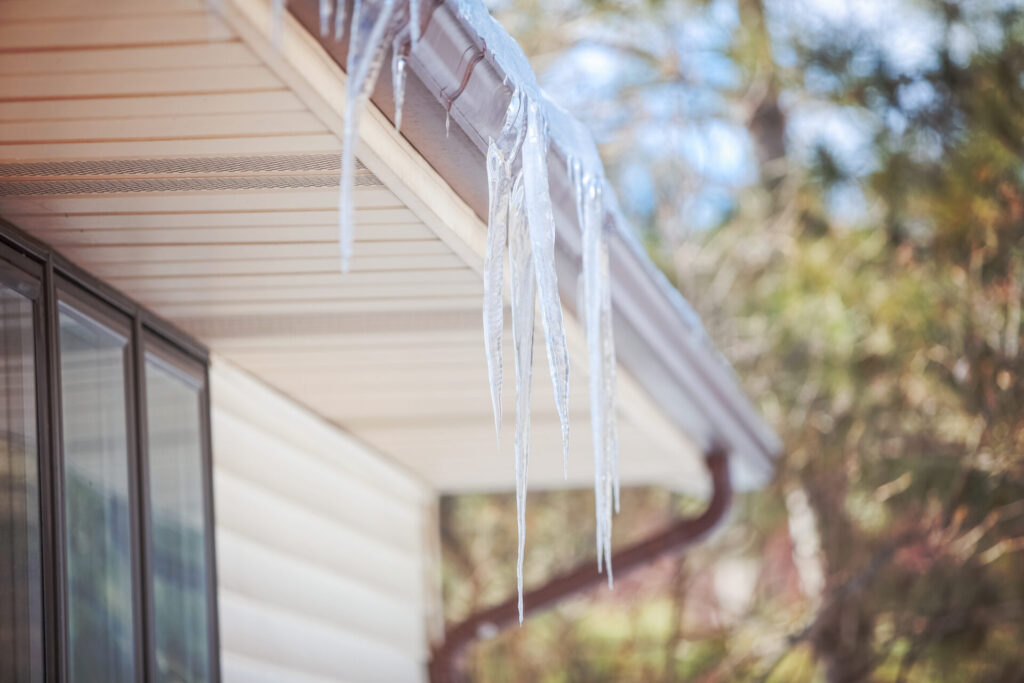
Ice dams have the potential to cause tremendous water damage inside a home. When the underside of the roof has uneven temperatures from poor insulation, snow on the roof can melt and freeze over the eaves, creating ice dams. When more melting occurs, the water cannot drain off the roof and instead travels up underneath the shingles to drain inside the home.
Water leaking inside walls, through ceilings, and onto furnishings can cause expensive water damage. As water drains through the attic, insulation becomes damp and less effective, speeding the path toward deterioration and leading to more problems.
4. Mold and Mildew Growth Due to Excess Moisture
Ice dams are just one way that inadequate insulation can become a wet haven for mold and mildew. When an attic is improperly insulated and air sealed, warm air from the heated house will rise into the attic and encounter the colder air, leading to condensation and dampness.
According to the Environmental Protection Agency (EPA), Americans spend around 90% of their time indoors, which means poor indoor air quality can have a significant impact on health, particularly for young children and older adults. Dampness and moisture flatten and compress insulation types like cellulose, decreasing its effectiveness and making it more and more susceptible to mold and mildew. Mold and mildew growth in the attic can impact the indoor air quality throughout the house and lead to long-term structural damage to the home if left untreated.
5. Pest Infestation and Insulation Damage
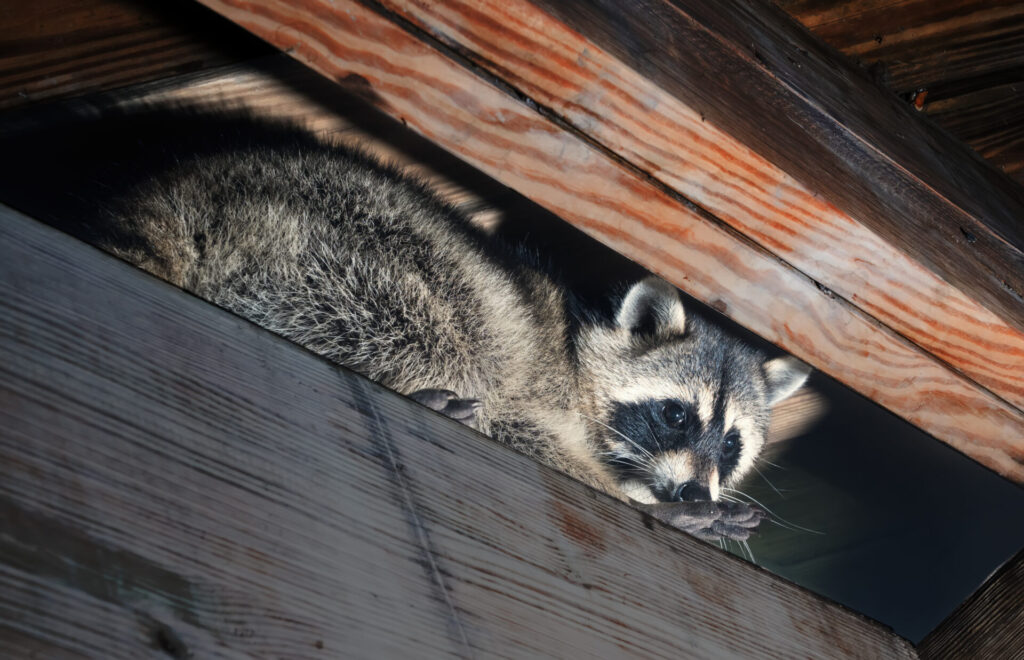
Unfinished attics offer a welcoming refuge for plenty of critters, including mice, rats, squirrels, raccoons, and insects. Older insulation that is already deteriorating is particularly attractive to pests because they can build nests out of the material, and the moist, humid conditions are comfortable for them.
Once inside, pests will chew on insulation and wiring and deposit smelly waste that can seep into living areas, leading to poor indoor air quality and potentially triggering allergies and asthma. Unfortunately, once pests have nested in insulation, it can be nearly impossible to reverse the damage and eliminate their waste without replacing the attic insulation. Upgrading a poorly insulated attic before pests can make it their home is the best course of action.
Enhance Your Home’s Comfort with WHI’s Insulation Services
Fortunately, a solution for attic insulation is close at hand with Wisconsin Home Improvement Co. LLC’s attic, basement, and exterior assessment. Homeowners can also gain insight by diagnosing their homes’ insulation and energy efficiency needs through a home performance audit. Using scientific data, Wisconsin Home Improvement home performance technicians can help homeowners understand exactly how their homes are working and what may be causing issues.
With pinpoint accuracy, we can assess attic insulation and determine the course of action that will have the biggest impact on savings and comfort. Air sealing is often recommended in tandem with new attic insulation for maximum energy efficiency and comfort. Contact one of our experts today to schedule your home assessment and keep your family safe and comfortable in all seasons.