
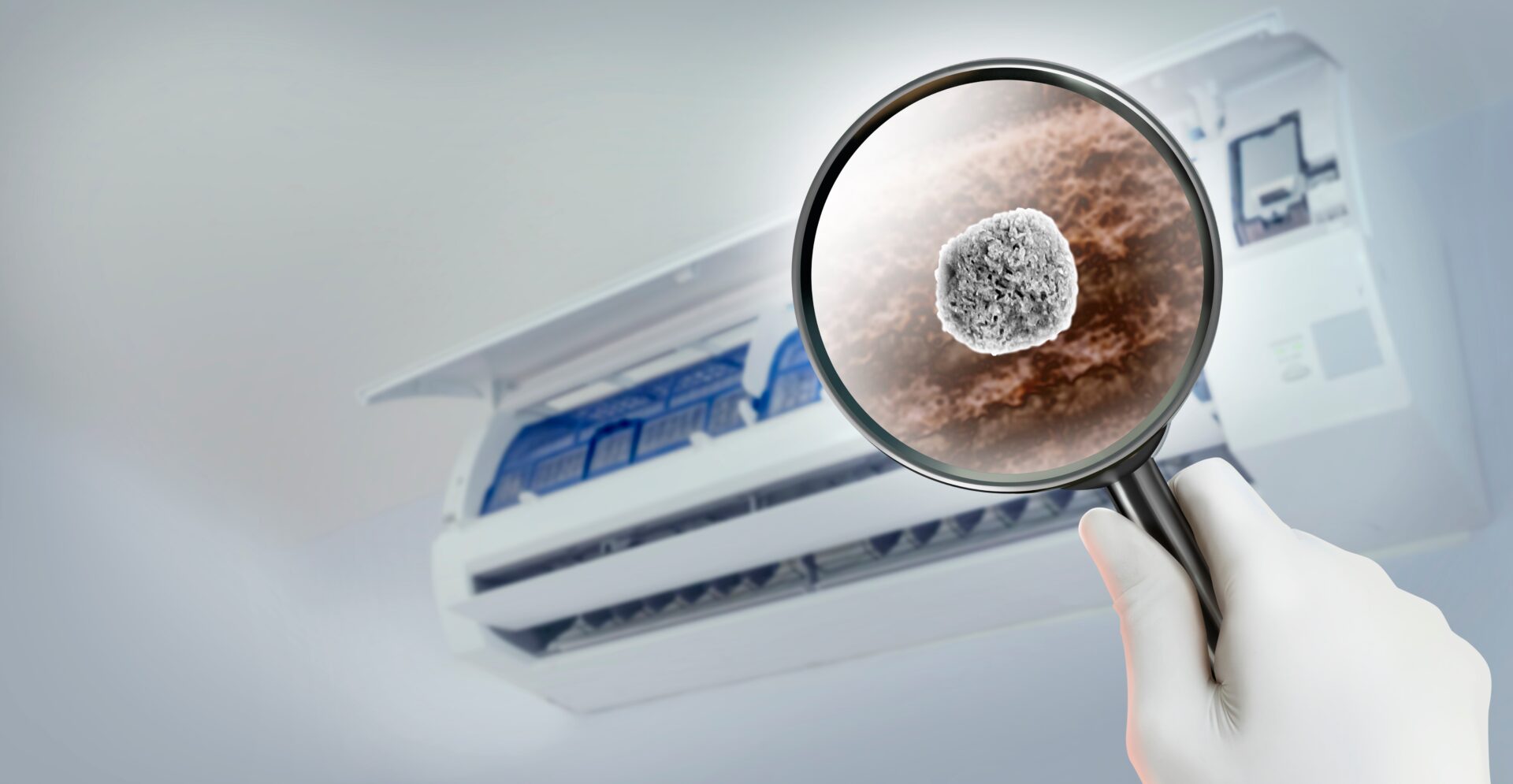
Indoor air quality (IAQ) is the quality of air inside a building as it relates to the people and other creatures that occupy or visit the building. IAQ testing can help building occupants maximize health and safety by identifying allergens and air filtration needs for their buildings.
The Science Behind Indoor Air Quality Testing
Indoor air quality testing involves the analysis of air samples for particulate matter that could be harmful to building occupants. According to the Environmental Protection Agency (EPA), sources of indoor air pollution include gases and particles released by the combustion of materials, such as oil, gas, coal, wood, and tobacco products. The deterioration of building materials and furniture, cleaning products, and outdoor pollution can also impact indoor air quality. IAQ testing can also help identify the concentration of certain pollutants that could cause harm.
How to Test Indoor Air Quality
Indoor air quality can be tested in multiple ways. Commercial buildings may require professional building inspection, while homeowners often achieve significant air quality improvement by investing in less costly testing conducted by indoor air quality testing companies.
Indoor Air Quality Testing Services
Homeowners wondering how to test indoor air quality should consider a home energy audit. A home energy audit tests a home’s indoor air quality and identifies issues related to reduced air quality and potential health hazards. For example, as part of a comprehensive home energy audit and indoor air quality testing services, Wisconsin Home Improvement leverages the following methods:
- Blower door testing to assess how much air is leaking out of and into your home on a regular basis
- Infrared thermal imaging to identify where air gaps and air leaks are present
- Combustion safety testing to assess carbon monoxide levels from flues, furnaces, water heaters, and gas cooktops

Health Impacts of Poor Indoor Air Quality
Poor indoor air quality is associated with many health risks, which is why indoor air quality testing is a good idea for all homeowners. For instance, according to one study published by the National Academies of Sciences, Engineering, and Medicine, indoor air pollution can cause or exacerbate conditions such as asthma and chronic obstructive pulmonary disease and may increase susceptibility to respiratory tract infection. These are only a few of the well-studied adverse effects of particulate pollution.
Common Pollutants in Indoor Air
Indoor air can contain pollutants from both indoor and outdoor sources. Some of the most common pollutants lurking in a home’s breathable air include the following:
- Dust made up of things like dead skin cells, clothing fibers, microplastics, and mold spores
- Pollen from both indoor and outdoor sources, which is a major allergen
- Pet Dander, no matter how much a homeowner sweeps, vacuums, and cleans
- Mold Spores from damp carpet, leaks, and other moisture issues
- Potentially hazardous chemical compounds such as carbon monoxide, radon, and asbestos
Schedule a Home Energy Audit
Whether you are actively experiencing symptoms of poor indoor air quality or you just want to be sure that your home is as safe as possible, a home energy audit can help. Homeowners can contact WHI to improve air quality in their homes through IAQ assessment and recommendations for improvements.
The Impact of Insulation on Air Quality
Although air leaks and indoor pollution sources can cause poor indoor air quality, many homeowners may not consider the impact of insulation on air quality. Effective insulation, and the use of spray foam insulation in particular, can help improve the indoor air quality of a home by keeping outdoor air pollution outside and creating more effective air filtration inside.
Why Choose Spray Foam Attic Insulation?
Spray foam attic insulation is a type of attic insulation that is sprayed and expands to fit the area being insulated. Because of this chemical reaction, spray foam creates a tight seal that effectively closes off cracks that would not be fully sealed by other types of insulation. A more effective insulation seal helps eliminate dust, pollen, and outdoor allergens while also offering indoor moisture control. When humidity is controlled indoors, mold and mildew are less likely to develop.
Spray foam insulation also acts as natural pest control. As a result, fur and droppings from pests are another common indoor pollutant that can be tempered or eliminated by the use of spray foam insulation.
Contact WHI for Information on Spray Foam Attic Insulation
Contact the experts at Wisconsin Home Improvement to learn more about attic spray foam insulation and determine if it’s the best choice for your home.
FAQs
Indoor air quality is the measurement of particulate matter and other pollutants in the air inside a building.
The most common causes of indoor air quality problems are the combustion of materials indoors, such as oil, gas, and wood; the decaying of building materials or furnishings; cleaning compounds; and the intrusion of outdoor air pollutants due to a poorly insulated or air sealed home.
Yes, insulation services can both help improve indoor air quality and lower energy bills by allowing HVAC systems to work more efficiently.
Conducting an annual air quality test is a good idea. If anyone in the home is experiencing symptoms associated with poor indoor air quality, such as frequent asthma attacks or headaches, scheduling air quality testing more often is recommended.