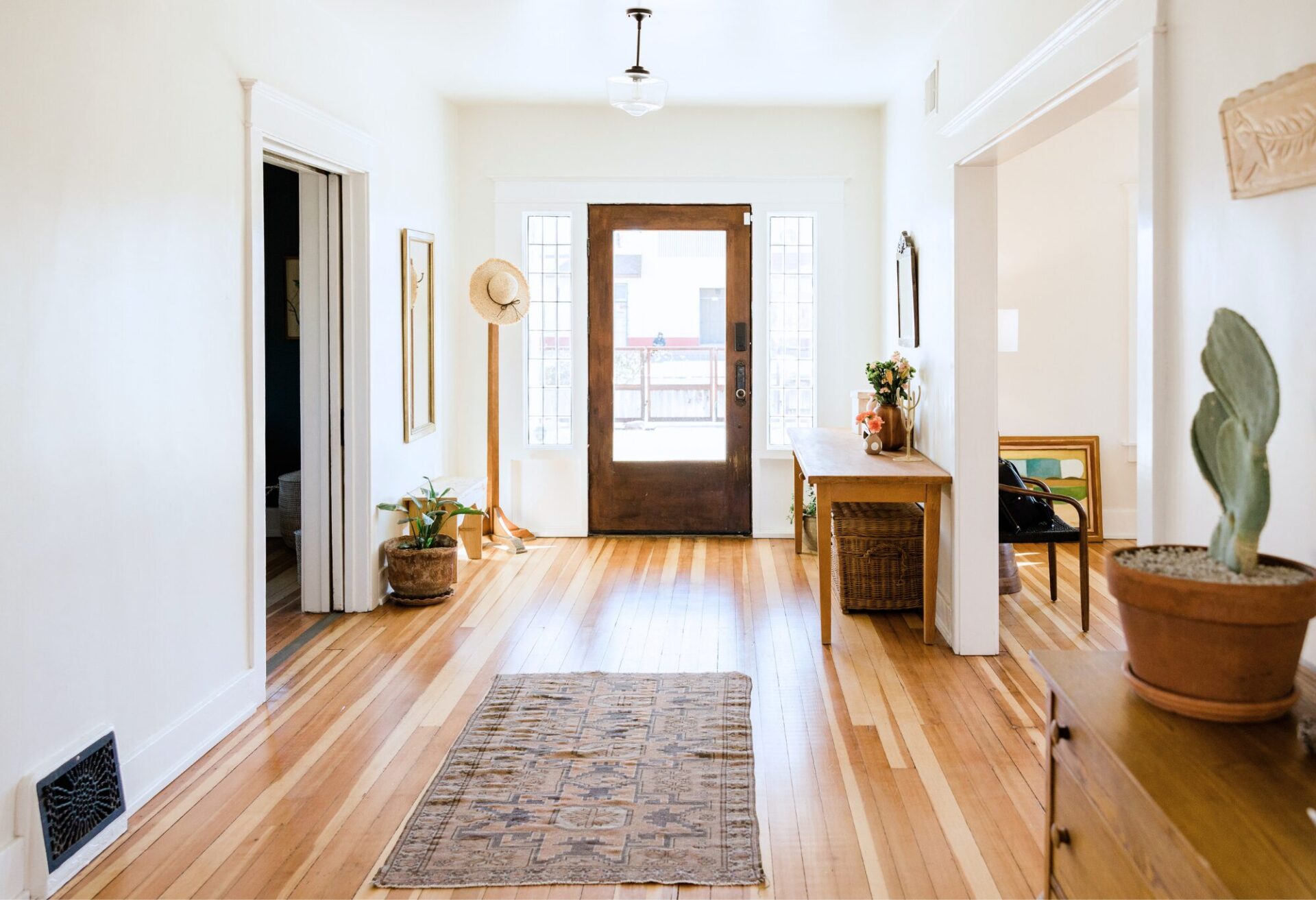

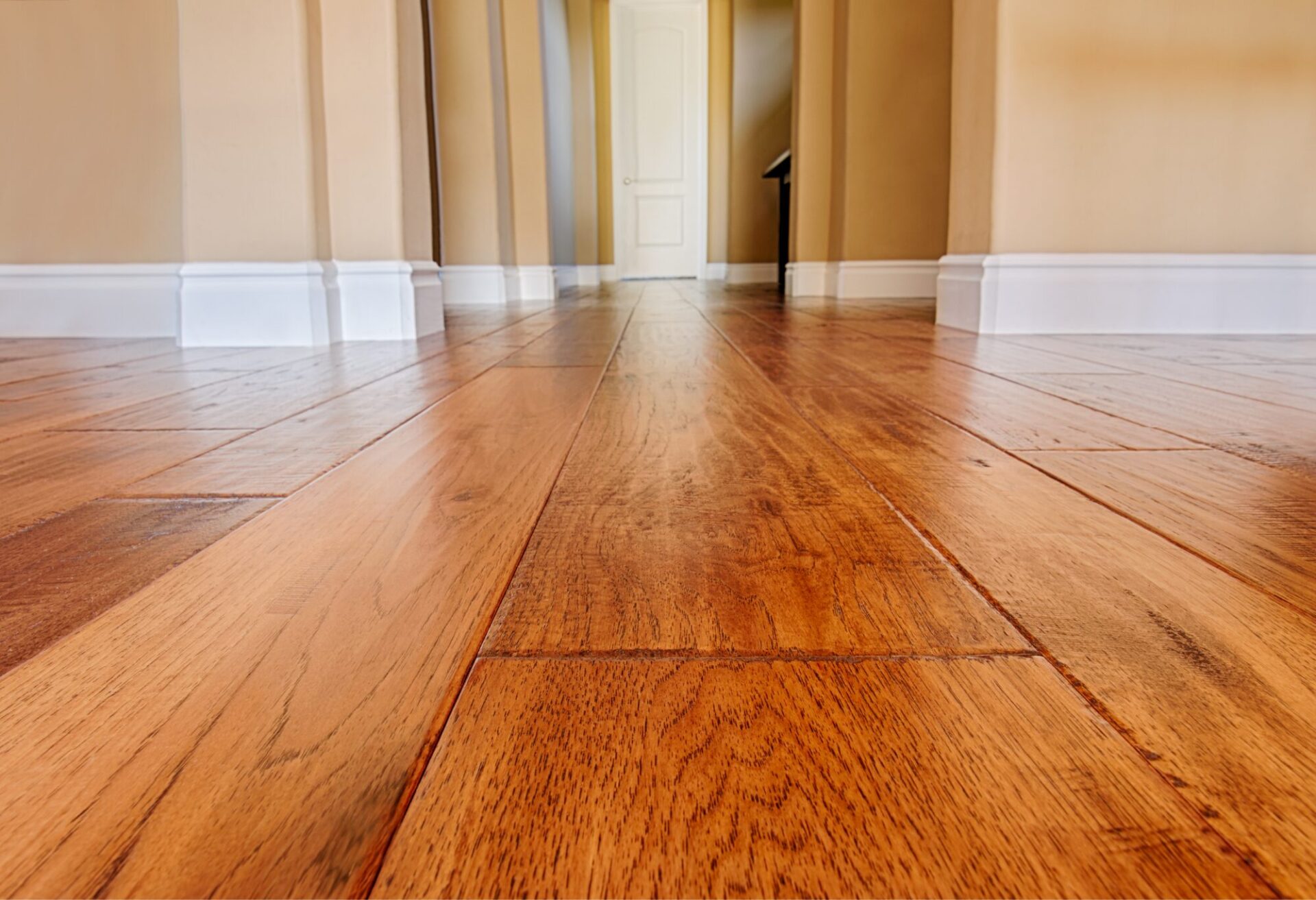
It’s another Wisconsin morning. You’re cozy in bed, the heat has been on all night, until you have to do the dreaded: stand up and walk to your bathroom. You’re scrambling to toss on slippers, fuzzy socks, whatever you can find to protect your feet, all while wondering,
Why is it that your floors always feel like ice?
Unfortunately, this is an all-too-common experience for Wisconsin homeowners, especially those who live in older homes. Without proper insulation, you’ll notice the chill seeping into your home.
Here’s the key thing to understand: cold floors aren’t the real problem. They’re a symptom of a larger building science issue. And the sneaky suspect is usually hidden within your home’s building envelope—the system that separates your indoor living space from the outdoors.
What Cold Floors Are Telling You About Your Home
Cold floors often indicate heat loss, air leakage, or gaps in insulation. Floors tend to feel colder than walls or ceilings because they’re often closest to unconditioned spaces like basements, crawl spaces, and garages. When those areas aren’t properly insulated or sealed, cold air settles low and transfers directly through the floor structure.
In other words, your floors feel cold because your home is losing heat faster than it should.
Common Causes of Cold Floors in Winter
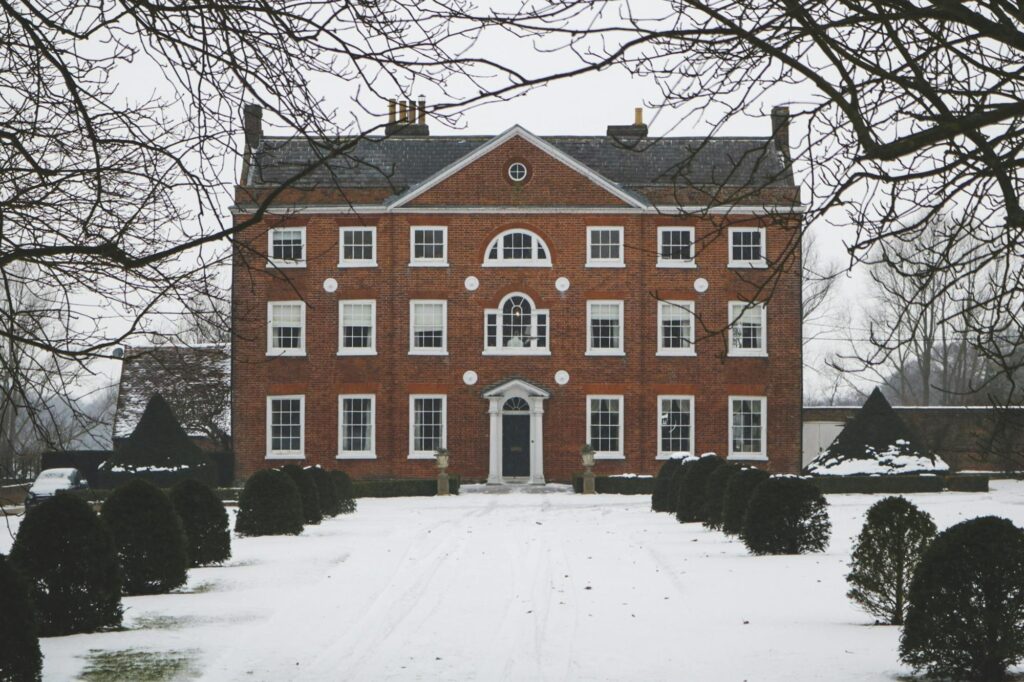
There are a few common culprits that can cause chilly floors in your home.
1. Insufficient or Missing Insulation
Floors right over basements, crawl spaces, and garages are more likely to be cold. Since these spaces are unconditioned, they aren’t as warm as other rooms in your house, which can make nearby spaces feel extra cold.
If your home doesn’t have enough insulation, the insulation is damaged, or it’s covered unevenly, your floors will always feel cold. These issues can be exacerbated in older homes where insulation alone isn’t always enough.
2. Air Leaks and Drafts from Below
One of the most common (and overlooked) sources of cold floors is air leakage at the rim joist (also called the box sill). This area sits at the perimeter of your home where the foundation meets the framing, and it’s often poorly sealed or completely uninsulated.
Cold outdoor air can seep in through tiny gaps and cracks, chilling the surrounding floor structure. This is made worse by the stack effect, where warm air rises and escapes through the upper levels of your home, pulling cold air in from below to replace it.
3. Cold Basements and Crawl Spaces
If your basement or crawl space is unconditioned or poorly insulated, it acts like a cold reservoir beneath your living space. Temperature differences easily transfer through the floor, making rooms above feel uncomfortable.
Beyond comfort issues, cold basements and crawl spaces can lead to moisture problems, condensation, and long-term durability concerns if left unaddressed.
4. Poor Air Sealing Around Penetrations
Plumbing lines, wiring, duct chases, and other penetrations create small gaps that allow cold air to move freely between levels of your home. While these openings may seem minor, collectively they can have a major impact on comfort, especially at floor level.
Sealing these gaps is often one of the most effective ways to reduce drafts and cold spots.
5. Flooring Materials That Amplify the Problem
Tile, hardwood, and vinyl flooring tend to feel colder to the touch than carpet. But these materials don’t make your floor cold. They just reveal what’s happening underneath.
Switching flooring won’t fix the problem. Addressing insulation and air leakage will.
Why Turning Up the Heat Doesn’t Fix Cold Floors
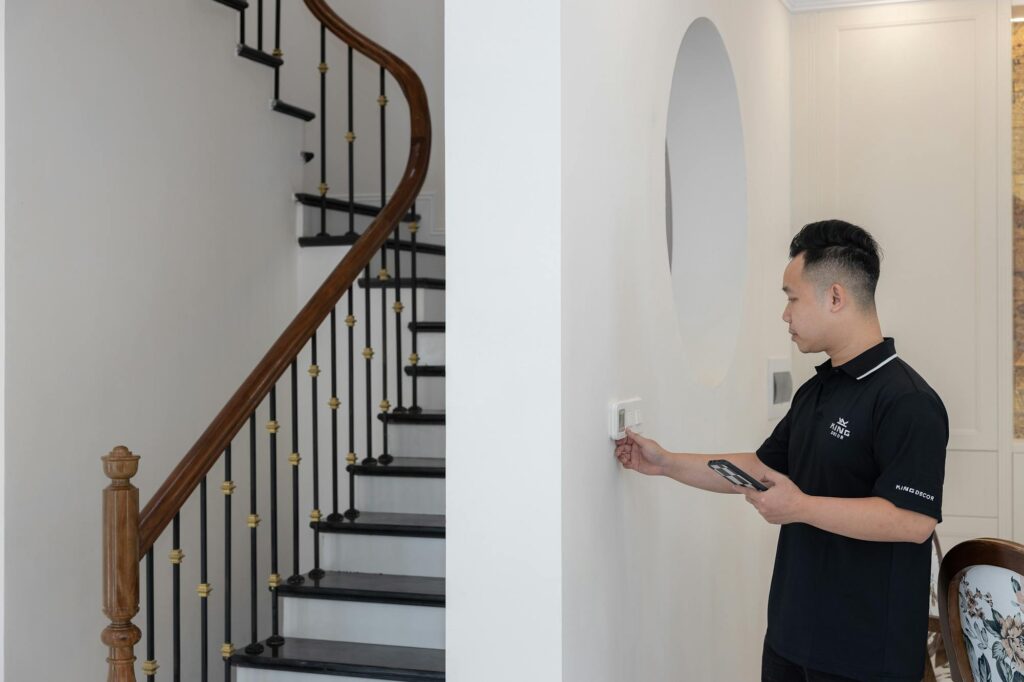
You’ve had your heat on all day and night, but the floors are still cold. What gives?
Turning up the heat won’t actually fix cold floors, but it will cause your energy bill to skyrocket. Instead, you’ll have uneven temperatures in your home and put stress on your HVAC system without seeing an improvement.
How to Fix Cold Floors the Right Way
Start with a Whole-Home Assessment
Professional diagnostics provide a window into what’s actually going on inside your home. It’s always best to identify the root cause behind your problems before assigning a solution that may or may not address your needs.
Targeted Solutions That Actually Work
There are a few targeted solutions we typically recommend that actually work:
- Air sealing at rim joists and leakage points
- Proper insulation for floors, basements, and crawl spaces
- Balancing insulation with ventilation for home health
Why One-Size-Fits-All Fixes Fall Short
Each home behaves differently. A 100-year-old two-story home behaves differently from a new-build ranch. That’s why it’s so important to get customized solutions rooted in building science.
Additional Benefits Beyond Warm Floors
By solving the true problem behind your cold floors, you’ll experience more benefits beyond improved comfort:
- Lower heating costs
- Improved indoor temperature consistency
- Reduced drafts and cold spots
- Better moisture control and long-term durability
Take the First Step Toward a More Comfortable Home
Stop guessing about your home’s energy efficiency and take the first step toward a more comfortable space. Our team of experts at Wisconsin Home Improvement will help diagnose your building science problems and create an action plan to solve them, so you can stop guessing about what’s wrong with your space.Schedule your free home energy audit today to uncover what’s really causing your cold floors and create a custom plan for improving your home’s comfort.al data to uncover where your home is losing energy and how to fix it for lasting results.