
Ensuring that a home is energy efficient is one of many responsibilities of homeowners. Luckily, for those who observe rising utility costs or find their home’s interior temperature becoming less comfortable, the solution could be simple. In many cases, fixing insulation gaps and air leaks can have a significant impact on a home’s energy efficiency.
What Are Insulation Gaps and Air Leaks?
Insulation gaps and air leaks are places in a home where the temperate air that is inside the home can escape or the external weather conditions can slip inside. Insulation gaps are literally spaces or holes in existing insulation, while air leaks are often related to cracks around windows or doors. However, according to the U.S. Environmental Protection Agency (EPA) as part of its Energy Star program, air leaks that typically have the most significant impact on energy bills and interior comfort occur in attics and basements.
How Insulation Gaps and Air Leaks Affect Your Home
Both insulation gaps and air leaks can make your home feel drafty in the winter and impair the efficiency of air conditioning in the summer. A home that is not energy efficient will have higher energy bills year-round and feel less comfortable for inhabitants. These homes are also at risk of expensive damage. For instance, insulation gaps in an attic could lead to the formation of ice dams on the roof, which can cause water damage inside and roof damage outside, both of which can be costly to repair.
How to Find Air Leaks in Your House
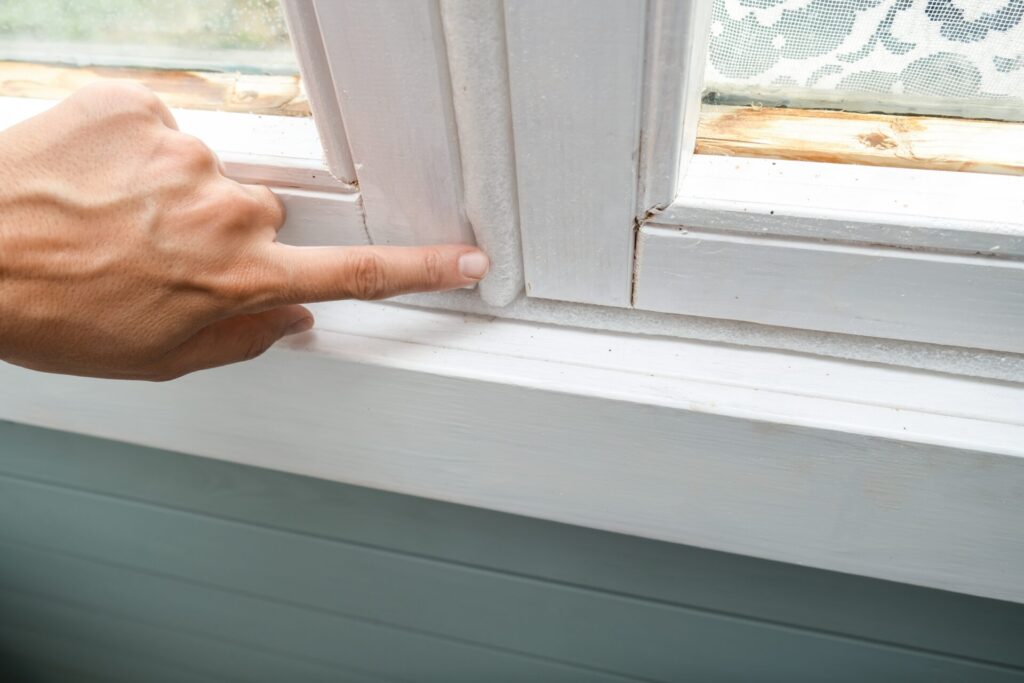
Homeowners looking to learn how to find air leaks in house areas should start by inspecting the main culprits: attics and basements. notes that some of the most common areas for attic air leaks are located behind knee walls, around attic hatch doors and wiring holes, and in recessed lighting. Air leaks are also common around furnace flues, basement rim joists, and windows and doors throughout homes. Checking these areas for cold drafts is one way to determine where outdoor air is getting in during the winter.
Signs to Look for and When to Call a Professional
Air leaks are often hidden behind insulation, which can make them all but impossible for homeowners to find. If a homeowner notices higher energy bills and increasing difficulty maintaining a comfortable temperature indoors, it may be time to call in a professional to do an assessment for air leaks. Typically, a company that offers air sealing services will be able to perform a blower door test to find air leaks that would be impossible to locate without professional tools.
Common Areas for Small Gaps in Insulation
Air leaks are often the result of small gaps in insulation. Some of the most common places to find these gaps in insulation are around electrical wiring and outlets, around plumbing vents, points where exterior walls meet the roof in the attic, and around a home’s perimeter on the ground floor, particularly where exterior walls meet the floor.
How to Choose the Right Insulation for Small Gaps
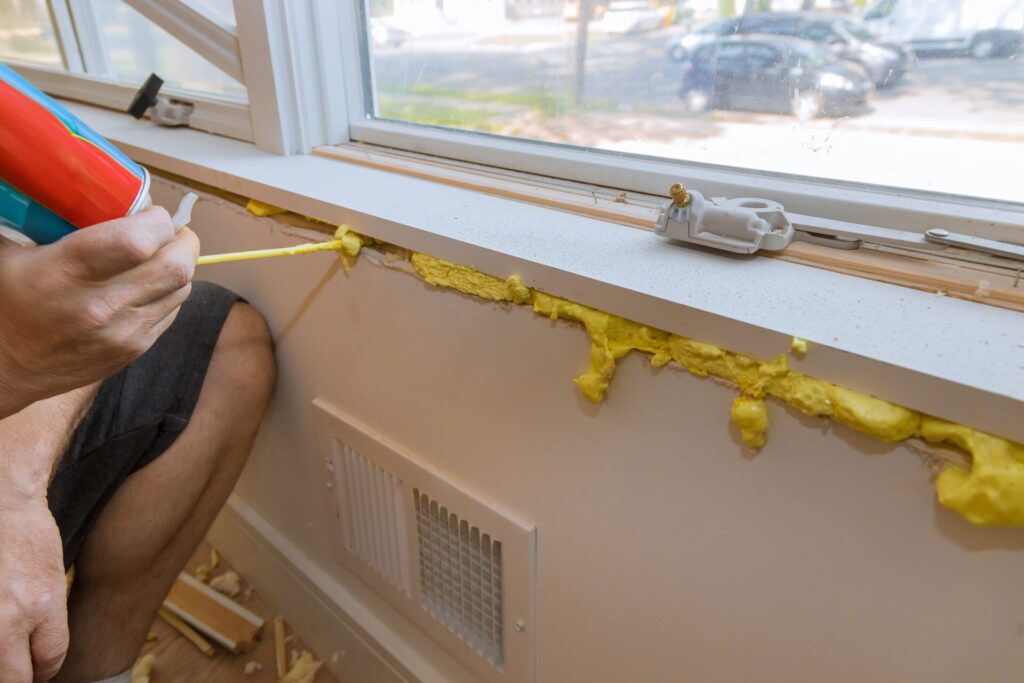
Filling small insulation gaps can be tricky for many types of insulation. Getting the perfect size with fiberglass insulation, for instance, can be all but impossible when it comes to small gaps around wiring or outlets. In most cases, spray foam insulation is the best option.
Spray Foam Insulation for Gaps and Cracks
Spray foam insulation for gaps and cracks is typically the best choice. Because spray foam insulation expands to fit the crack, it can ensure a tight seal against air leaks. Additionally, spray foam insulation is extremely durable and can offer years of use and energy efficiency.
Why Spray Foam Insulation Is Ideal
Spray foam insulation can fill gaps in insulation in attics, basements, and other spaces throughout a home. Spray foam expands to fit the shape of the uninsulated area and hardens during the curing period. For small gaps, it can be applied in hard-to-reach areas with professional equipment or with small spray cans. For visible areas, spray foam can even be trimmed, painted, or stained to match the surrounding area.
Application Process of Spray Foam Insulation
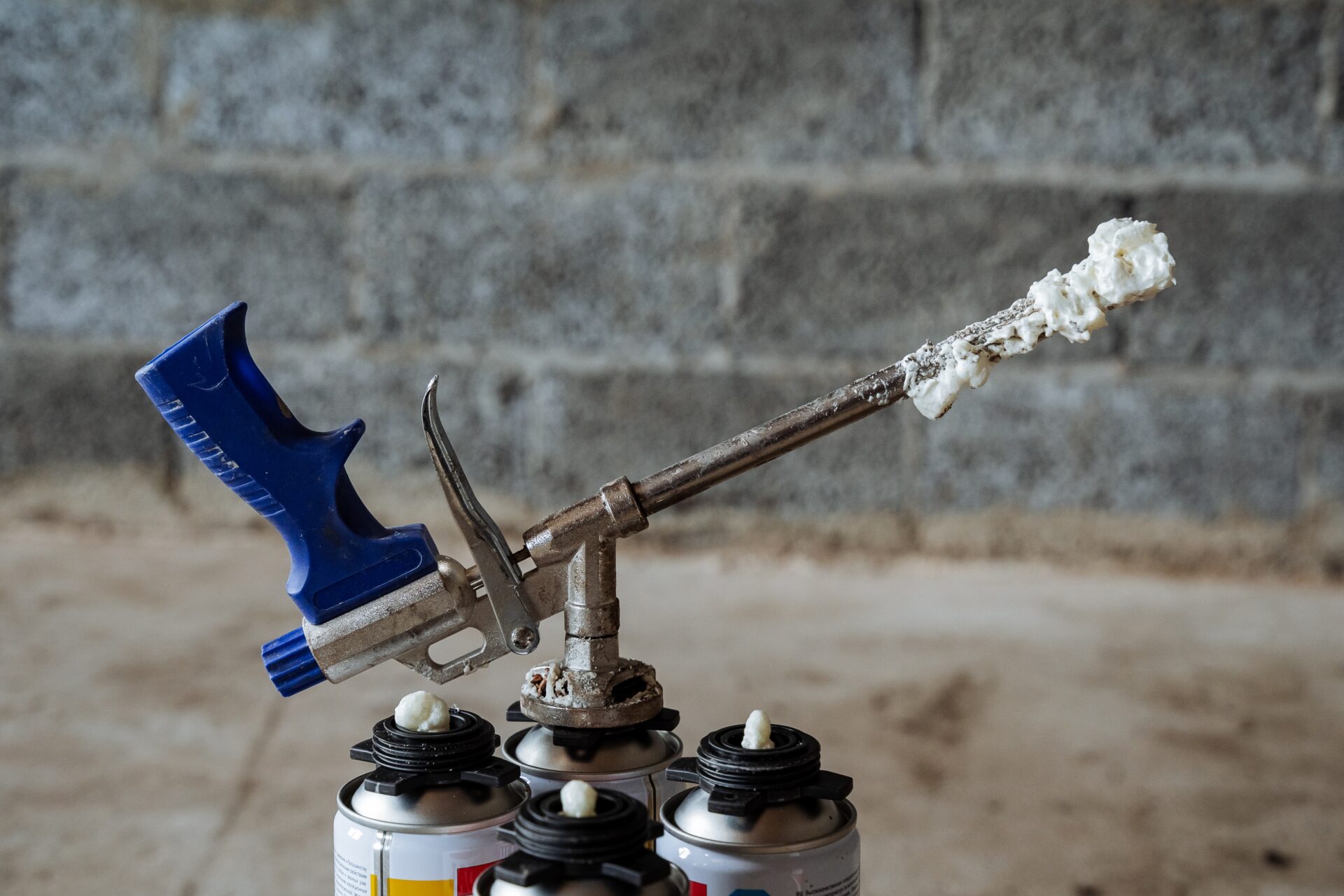
Insulation professionals use a special apparatus and spray hose to install spray foam insulation. The chemicals that make up the insulation blend during the spraying process and harden quickly once applied. Professional installers will wear protective gear for maximum safety. Spray foam insulation will cure in 24 to 48 hours.
What to Expect During an Insulation Assessment
Insulation professionals can offer an insulation assessment to help homeowners find air leaks and gaps in insulation that may be hiding and wreaking havoc on energy efficiency. Homeowners should expect the assessor to check the entire home, including the basement and attic, for air leaks and insulation gaps. Some insulation assessments may include a blower door test, as well.
Schedule an Insulation Checkup with a Trusted Company
If your home has seen energy bills increasing every month while your comfort level decreases, it may be time to schedule an insulation check-up with a trusted company. Wisconsin Home Improvement Co. LLC can help you find hidden air leaks and small insulation gaps and provide a plan to address them that works for you. Contact WHI for air sealing help and assessments so you can enjoy your home in comfort, no matter the weather.