
Before temperatures start to spike this summer, consider scheduling a home insulation inspection. An insulation professional can help identify under insulated spaces in your home to ensure that your living space stays cool and comfortable, regardless of the weather outside.
Why Is Quality Insulation Important for Summer Comfort?
Why is insulation important? Insulation plays a critical role in summer comfort because it acts as a heat barrier between the interior and exterior of a home. In the summer, outdoor temperatures soar. Without adequate insulation to provide a heat barrier, indoor temperatures could become uncomfortable as air conditioners struggle to bring down the heat.
The Role of Regulating Home Temperature
As the U.S. Department of Energy explains, “Heat flows from warmer to cooler areas until there is no longer a temperature difference.” When outdoor temperatures are warmer than indoor temperatures maintained by air conditioners, that exterior hot air starts to force its way inside to equalize temperatures. Insulation keeps the hot air at bay and helps cooling systems work more efficiently to achieve a more comfortable interior.
Energy Efficiency Benefits of Proper Insulation
Proper insulation in basements, walls, crawl spaces, and attics can improve the energy efficiency of a home’s heating and cooling systems year-round. According to the Environmental Protection Agency1 (EPA), homeowners can save around 15% on heating and cooling costs each year with proper insulation and air sealing. When heating and cooling systems operate more efficiently, less energy is necessary to maintain a comfortable indoor temperature, resulting in lower costs and less environmental impact.
What to Expect During an Insulation Inspection?
Searching for an insulation inspection near me is a good place to start, but homeowners who have never had their insulation inspected may not fully understand what to expect and have questions. Insulation inspectors are likely to use an insulation inspection checklist to assess a home’s current insulation performance and identify areas that need potential upgrades.

Insulation Inspection Process and Checklist
A home insulation inspector will assess a home’s insulation performance by conducting a visual inspection to ensure existing insulation is in optimal condition. Some insulation may be clearly deteriorating, or it could be wet or moldy, all of which are conditions that warrant replacement.
Inspectors will use specialized tools and tests to find areas where insulation may not be performing as intended. Insulation inspections in Wisconsin should end with actionable insight for how to improve the home’s insulation performance and energy efficiency, whether that means replacing aging insulation, focusing on air sealing, or improving insulation efficacy with new, fresh insulation options.
Common Issues Found During Spring and Summer Inspections
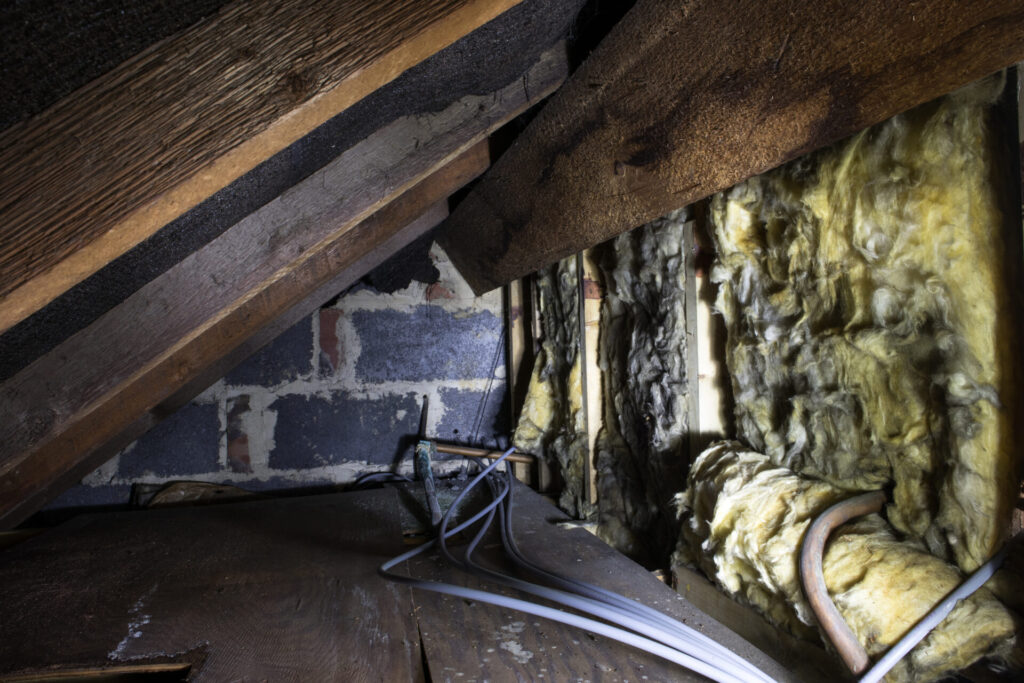
Insulation inspectors may find a few common issues during spring and summer inspections, including insulation gaps, insulation that has settled or become damaged over time, and inadequate insulation in walls.
Gaps and Settling in Attic Insulation
An attic insulation inspection may uncover insulation settling or gaps in insulation. Over time, even insulation that has been professionally installed settles because of gravity. Insulation that has settled into spaces is not as efficient as new insulation, primarily because some areas end up with thinner layers of insulation, which lowers the intended R-value and lets outside temperatures invade interior spaces. Similarly, gaps in insulation from settling or poor installation are less effective and lead to energy inefficiencies.
Inadequate Wall Insulation
Inadequate wall insulation is another common finding in an insulation inspection. In the winter, homeowners may already suspect they have inadequate wall insulation because walls are cold to the touch. In the summer, inspectors can use heat detection tools to see if walls are properly insulated against outside temperatures. Although poor insulation in attics and basements is often the culprit when it comes to energy inefficiency in a home, poorly insulated walls can also cause significant problems by letting in heat from the outside.
Damaged or Loose Insulation
Older homes where insulation has not been repaired or replaced in many years can be energy inefficient. Insulation damage can happen merely due to its age but can also be hastened by excessive humidity or pest infestations. Humidity from improper ventilation can lead to moldy, damp insulation. Additionally, some pests shred insulation to make cozy nests for themselves, leaving homes unprotected.
Schedule Insulation Inspections and Repairs with WHI
The insulation experts at Wisconsin Home Improvement Co. LLC can help homeowners determine whether their current insulation is adequate. Our inspectors use professional tools and decades of experience to identify insulation issues and offer the best solutions for every homeowner. Contact WHI today to schedule your home insulation inspection and energy audit.