Once a house is built and the drywall is in place, it may seem challenging to upgrade the insulation that exists inside those walls. However, blown-in insulation in existing walls is an option for many homes that could benefit from this type of upgrade.
Retrofit insulation, such as dense-packing cellulose or fiberglass insulation into existing walls, can be installed by making small, circular holes in existing drywall materials and using those holes for blowing insulation into existing walls. The small holes are easily covered up and repainted, so there is no evidence that the installation took place. In most cases, installers can access wall insulation from the exterior of the home.
What Kind of Insulation Can Be Added to Existing Insulation?
So, can you blow insulation into walls? It’s a question commonly asked by homeowners, and the answer is a resounding yes. Insulation experts at Wisconsin Home Improvement, LLC, offer retrofit installation of dense-packed cellulose and fiberglass insulation.
However, homeowners should consider a few factors when determining which insulation material to use in existing walls, including:
- Which walls need to be upgraded?
- What is the existing insulation?
- What are the goals for your new insulation?
When comparing options, dense-packing is generally superior to RetroFoam due to better air sealing, moisture management, and long-term performance.
Cellulose
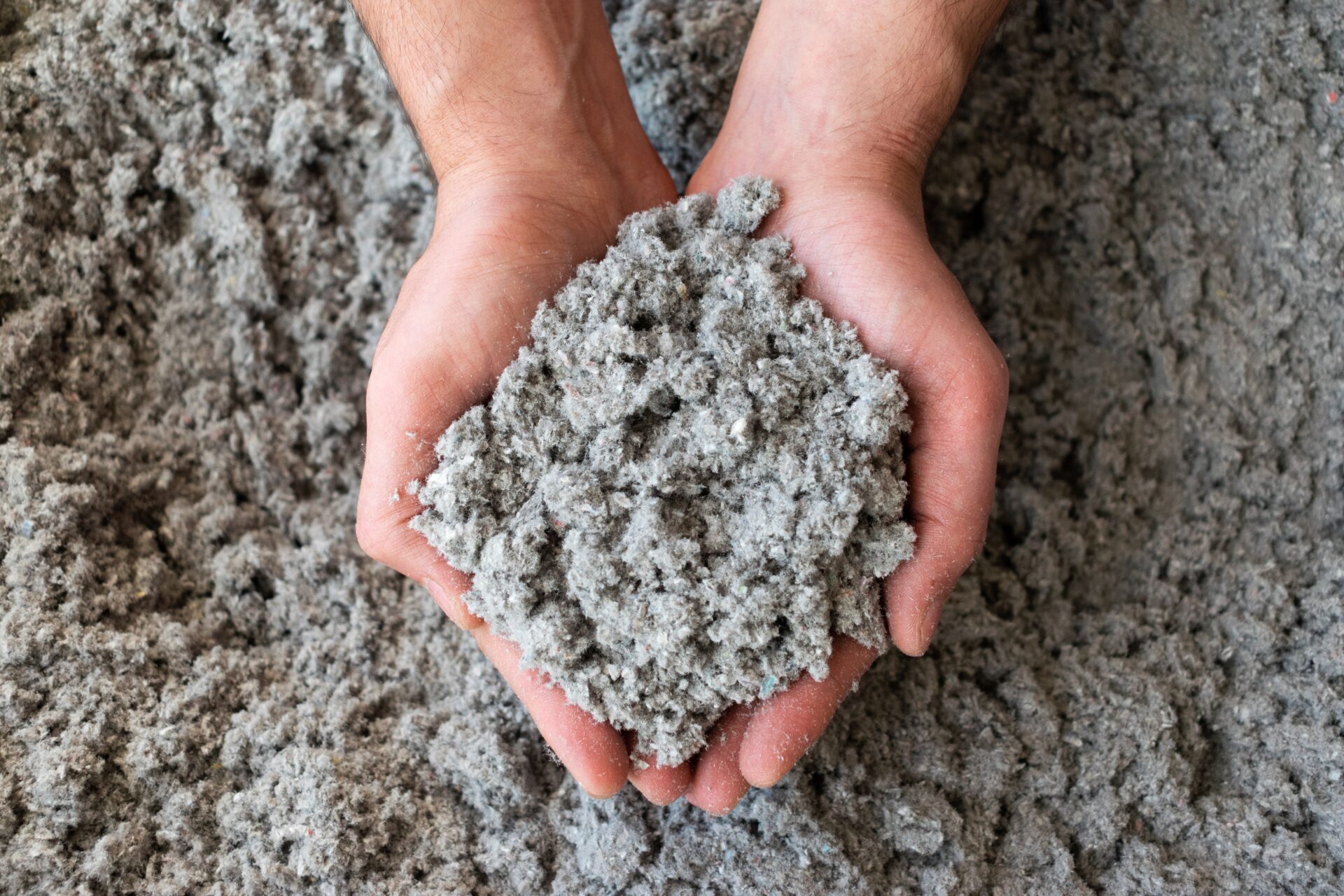
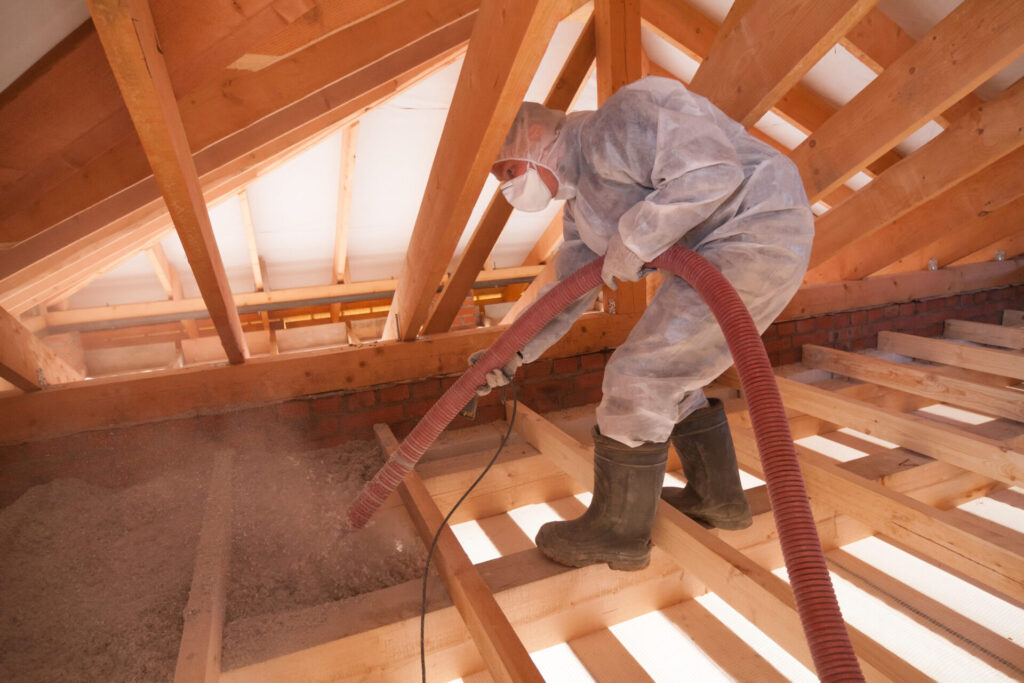
Cellulose insulation and loose fiberglass insulation for existing walls have a similar installation process where the loose insulation is blown in through a small hole in the wall using a specialized blower device. Cellulose is arguably a more environmentally friendly option than RetroFoam and is also a cost-effective material that performs better for longer. This type of insulation is composed of the fibers from recycled newspaper and is treated for fire resistance, moisture and mold resistance, and even pest resistance inside your walls.
Spray Foam
For homes that need an insulation upgrade and air sealing services that prevent air leakage from outside and between rooms, spray foam insulation is a suitable option during new construction or remodels. Installing spray foam insulation in existing walls is not recommended unless it’s a new construction process.
Homeowners should note that any existing fiberglass or cellulose insulation will need to be removed before installing spray foam insulation into walls.
Fiberglass
For homes that currently have deteriorated fiberglass batt insulation in the walls, loose fiberglass insulation can safely be added through a small hole. Technicians will blow the insulation in through a specialized hose to improve insulation performance. Installers will carefully determine the density that fiberglass should be packed into existing walls for optimum efficiency. Unlike RetroFoam, aging fiberglass insulation does not need to be removed to blow in new, dense-packed insulation for improved performance.
Dense-Packing vs. RetroFoam: Why Dense-Packing is Superior
Wisconsin Home Improvement does not recommend adding open-cell injection foam into existing walls. In our experience, dense packing insulation is a superior option to spray foam for existing walls.
Air Sealing and R-Value: Air sealing is the insulation function that keeps outside air outside and inside air in while R-value is a measurement that indicates how effective a certain type of insulation is.
Dense-packing cellulose or fiberglass creates a tight barrier, significantly reducing air infiltration. Dense-packed cellulose has an R-value of about 3.5 to 3.8 per inch, while dense-packed fiberglass has an R-value of approximately R4 per inch. On the other hand, RetroFoam, used as a foam insulation into existing walls, provides some air sealing but is less effective due to its open-cell structure. Its initial R-value is around 4.6 per inch but can diminish over time due to degradation and potential shrinkage.
Moisture management: Without proper moisture management, a home’s walls can become ground zero for mold growth. Cellulose and fiberglass can manage moisture better than RetroFoam, absorbing and releasing moisture without degrading, reducing the risk of mold and rot.
Installation Process: Dense packing requires specialized equipment and ensures uniform coverage without gaps or voids while RetroFoam is injected into wall cavities, which can be more invasive. Installing RetroFoam insulation in existing walls can leave gaps or voids, reducing effectiveness.
Environmental Impact: Made of recycled material, dense-packed insulation is an environmentally friendly option contributing to overall energy efficiency. RetroFoam foam insulation for existing walls is less environmentally friendly due to its production process and chemical composition.
Longevity and Performance: Known for long-lasting performance, properly installed dense-packed insulation is less likely to settle or degrade while RetroFoam is subject to degradation from environmental factors, RetroFoam’s effective lifespan is often less than dense-packed cellulose or fiberglass.
How to Know If You Need an Insulation Upgrade
Because insulation lives in the unseen space behind your walls, it’s difficult to know the state of a home’s current insulation. Knowing what is already behind your walls is critical before adding foam insulation to existing walls or any type of insulation.
Thankfully, the professionals at Wisconsin Home Improvement have access to infrared thermal imaging that allows us to see inside the walls and assess the state of your existing insulation. Infrared imaging is part of the Wisconsin Home Improvement home energy audit, which is often the first step homeowners take before deciding to upgrade their insulation.
An energy audit with a home performance expert will uncover any issues that are threatening your home’s comfort, pinpoint the causes, and identify home upgrades that could help solve the problem. Infrared thermal cameras can locate where there are lapses in outdated insulation, making targeted insulation upgrades possible.
The Importance of Insulation in Wisconsin
Effective insulation is important no matter where you live. However, the Wisconsin climate means that an insulation upgrade can have a measurable impact on your home and your quality of life throughout the year. Insulation can help keep the frigid temperatures out during the winter, but it can also keep cool, conditioned air inside during the hot and muggy summers.
Upgraded insulation could result in the following:
- Reductions in heating and cooling costs
- Healthier indoor air
- Greater control over your home’s comfort
- A more comfortable home overall
Upgrade Your Existing Insulation
Now is the perfect time to upgrade your existing home insulation. More effective insulation means a more efficient home, which can result in lower energy bills and a happier, healthier home.
The insulation experts at Wisconsin Home Improvement have helped homeowners across the state save money on their energy bills with insulation upgrades, all without tearing down any existing walls or structures. Contact us for a home energy audit today and start enjoying a more comfortable and efficient home this year.