Launched in August 2024, the HOMES Act is a Wisconsin law that offers substantial tax rebates to property owners who make qualified energy efficient approvements. Designed to lower the energy burden for homeowners and lower emissions for cleaner, healthier air, this program comes with many benefits that homeowners should take advantage of today.
Understanding the Wisconsin HOMES Act and Its Impact on Energy Efficiency
Homeowners may be unclear about whether they qualify for HOMES Act rebates, so it’s important to understand how the rebates work and to learn more about the HOMES Act to fully understand it.
What Is the Wisconsin HOMES Act?
The HOMES Act is a Wisconsin tax rebate program designed to incentivize energy efficient home upgrades for Wisconsin property owners. Both single family and multifamily homes are eligible for HOMES Act funds. The amount of funding available to an applicant is dependent on income, the type of property, and how much the improvements are likely to save that owner on energy costs.
How Does the HOMES Act Promote Energy Efficient Home Upgrades
The HOMES Act utilizes Inflation Reduction Act (IRA) funds to give homeowners between $1,500 and $10,000 to take care of whole-home energy efficiency projects, such as insulation repair and improving heating and cooling systems. Homeowners who are income-qualified and who work with an IRA-approved contractor on eligible projects can get rebate payments after the completion of their projects.

Why Energy Efficiency Matters for Homeowners
Energy efficiency matters for homeowners for a few reasons, including indoor comfort, air quality, and cost savings.
Benefits of Energy Efficiency for Comfort and Cost Savings
A more energy efficient home is a more comfortable home. Aging insulation, drafts, and inefficient HVAC systems can all lead to a home that is too cold in the frigid Wisconsin winters and too warm during the steamy summer months. According to the U.S. Department of Energy, between 10% and 20% of the money that homeowners spend on their energy bills may be going to waste. An energy upgrade can make a home more comfortable and save homeowners money. Indeed, those who are wondering how to save on their energy bills will find few, if any, options aside from home improvements that save money while also making their homes more comfortable.
How Energy Upgrades Lead to Lower Utility Bills
Improving a home’s energy efficiency by sealing air gaps, improving insulation, and upgrading HVAC systems are some of the best home energy savings solutions. Homes that allow climate-controlled indoor air to leak out are going to be much more expensive to heat and cool because the HVAC systems will end up working harder than necessary. Improving insulation, particularly in places like the attic, basement, and crawlspaces, is another way to lower utility bills to ensure that warmed or cooled air stays inside.
Exploring Tax Rebates and Incentives for Home Improvements
Homeowners may already know how to improve energy efficiency in their homes, but they may not be able to afford the necessary improvements. Tax rebate home improvements through the HOMES Act provide a financial incentive to make these improvements for homeowners who qualify. The HOMES Act provides rebates, which means qualified homeowners are provided a cash refund on the purchase price of the qualified improvements.
Scheduling an Energy Audit to Make Effective Upgrades
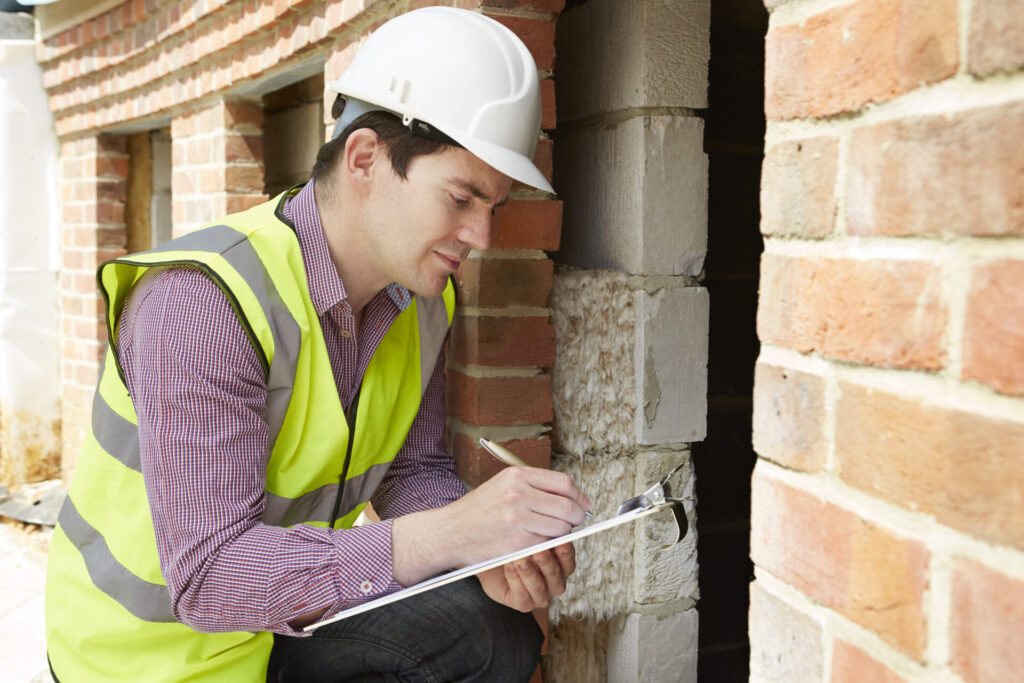
The critical first step in making any HOMES Act improvements is to schedule a residential energy audit. During an energy audit, an energy efficiency expert will evaluate the home for air leaks, cold spots, and other inefficiencies that may be difficult for a non-expert to detect.
How to Conduct a Residential Energy Audit
Energy efficiency experts, such as the team at Wisconsin Home Improvement, LLC, know how to conduct a thorough residential energy audit and calculate efficiency of energy. A professional auditor can quickly point to the areas of a home where improvements will have the biggest impact on energy efficiency.
How to Improve Energy Efficiency in Your Home
Improving energy efficiency in a particular home depends on the age of the home, the current state of its insulation and HVAC system, and the climate where that home exists. Many homes in Wisconsin that need energy upgrades may benefit from insulation repair or replacement, air sealing, or even ventilation improvements.
Insulation Repair and Replacement
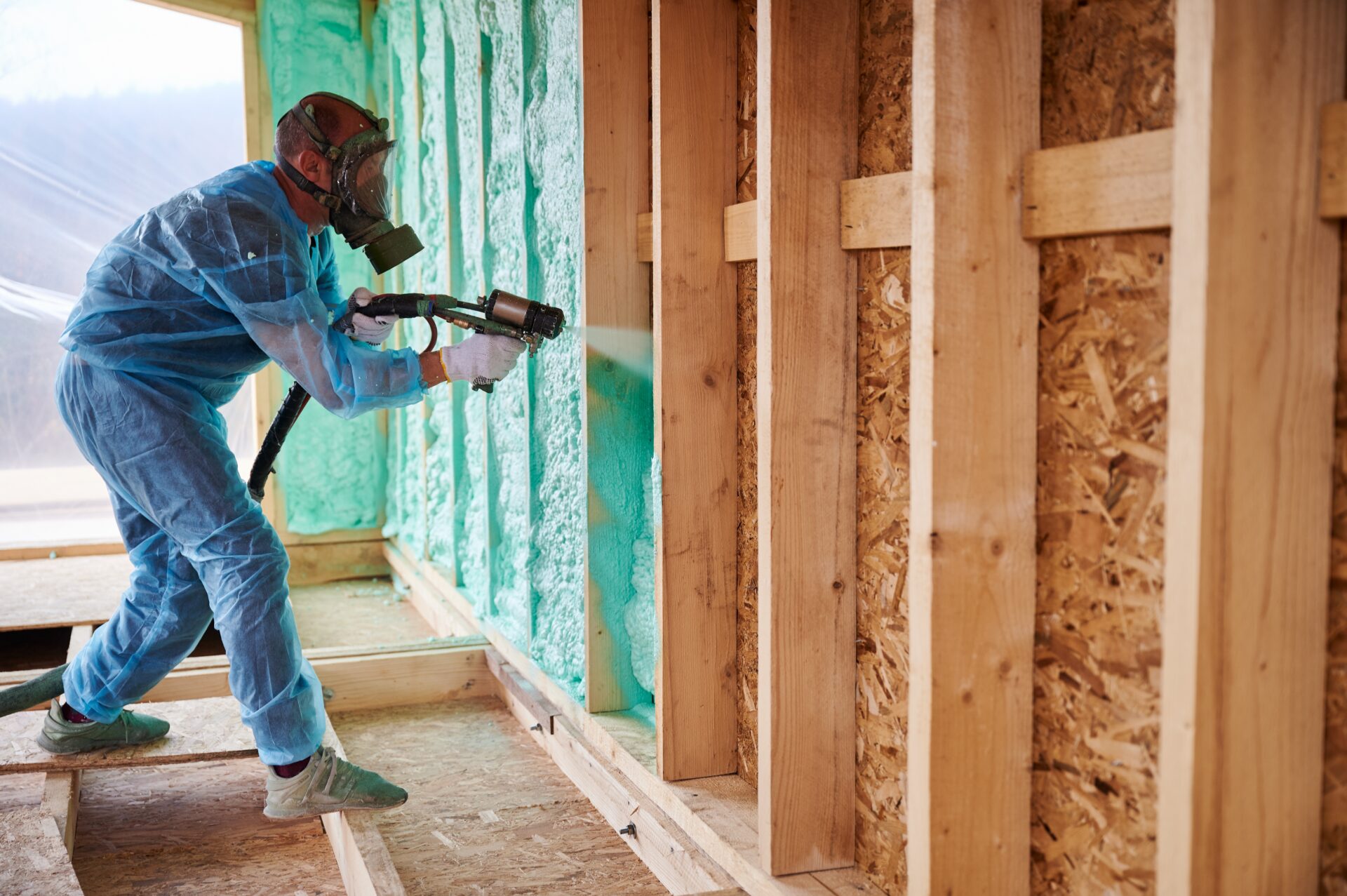
Effective insulation is one of the most important features of an energy efficient home. While insulation repair is possible in some cases, insulation replacement is often the most effective option. The team at Wisconsin Home Improvement consists of insulation experts who can both identify where insulation is not as efficient as it could be and help develop a plan so you can save on your energy bill with new insulation, ultimately improving energy efficiency and interior comfort.
Additional Energy Upgrades to Consider
In addition to upgrading insulation, investing in air sealing, ventilation improvements, and HVAC system upgrades may all improve energy efficiency in a home.
- Air sealing: When climate-controlled air leaks out of a home, the HVAC system must work much harder to be effective. Air sealing helps close these gaps and improve energy efficiency when it’s used in conjunction with appropriate insulation.
- Ventilation: Improper ventilation can lead to moisture problems, which can make it difficult to maintain a comfortable temperature indoors while also decreasing indoor air quality. Improved ventilation can make a home more comfortable and lead to safer indoor air quality.
- HVAC: As an HVAC system gets older, it becomes less efficient due to wear and tear as well as technology depreciation. Replacing a home’s HVAC system can be a costly improvement, but HOMES Act rebates may make it a financially viable energy efficient option for many people.
Contact Us for a Professional Energy Audit
Homeowners who want to see if they qualify for HOMES Act tax rebates can contact us today for a professional energy audit. Our expert team will leverage our state-of-the-art technology to determine how your home may benefit from energy efficiency improvements, including air sealing, ventilation, and insulation upgrades.