When you search for “insulation contractors near me,” you probably aren’t looking for someone to just add more insulation to your attic. Instead, you’re likely trying to solve a real problem in your home.
Maybe your upstairs is too hot in summer and too cold in the winter, your energy bills keep climbing, or your insulation looks old, uneven, or damaged. Whatever led you to search for a local insulation company, the contractor you choose matters.
The right insulation contractor starts by understanding how your home works as a system, identifying what is causing your comfort or energy issues, and recommending a solution that fits your home, your goals, and Wisconsin’s climate.
Here is what homeowners in Milwaukee, Waukesha, Ozaukee, Washington County, and the surrounding Southeast Wisconsin area should look for when choosing an insulation company.
Start With the Problem You Want to Solve
Before comparing insulation contractors, take a step back and think about what is happening in your home. Insulation is often part of the solution, but the right approach depends on the symptoms you are experiencing.
Common signs your home may need insulation or air sealing improvements include:
- Rooms that feel too hot in summer or too cold in winter
- Drafts near ceilings, walls, floors, or exterior walls
- High heating or cooling bills
- Ice dams or icicles along the roofline
- Moisture, condensation, mildew, or musty smells
- Uneven temperatures between floors
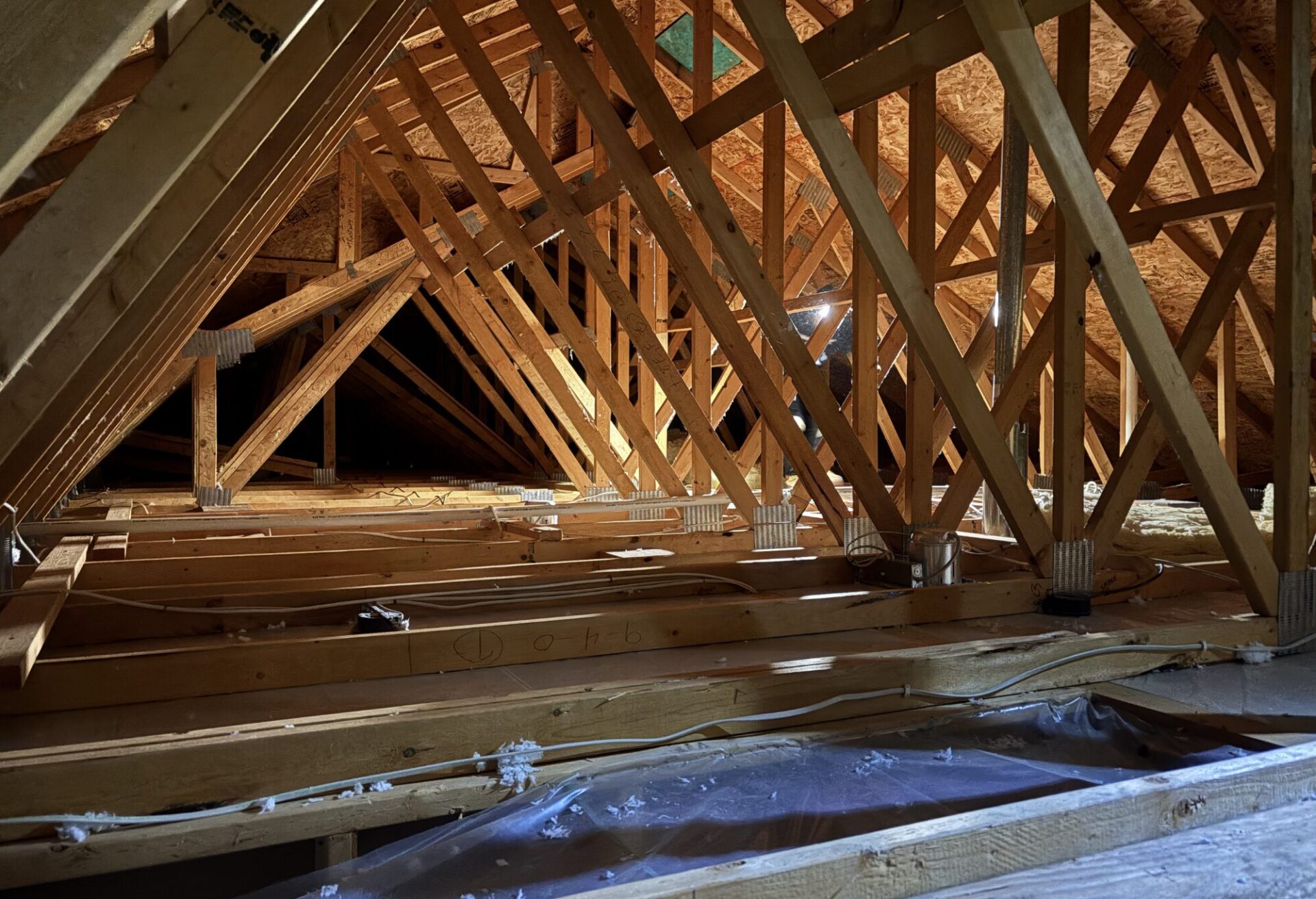
- An attic with thin, uneven, compressed, or missing insulation
- A basement or crawl space that feels cold or damp
- Pest activity in attic or wall spaces
- Excessive outdoor noise entering the home
A quality insulation contractor should ask about these issues before recommending a solution. If the conversation starts and ends with “how many inches of insulation do you want?”, that’s a sign the company is focused on installation (and sales) only, not true diagnosis.
In many homes, especially older homes across Southeast Wisconsin, comfort problems are connected to more than one issue. Your home may need attic insulation, but it may also need air sealing, ventilation improvements, box sill insulation, or moisture control. That is why the best insulation companies look at the whole building envelope, not just one layer of material.
Look for Building Science Expertise
Not all insulation contractors approach homes the same way. Where some companies install insulation as a single service, others take a broader home performance approach, looking at the way heat, air, and moisture move through your home.
Building science is the study of how a home’s systems work together. Your insulation, air barriers, ventilation, attic, basement, walls, windows, roof, and mechanical systems all play a role in comfort and efficiency. If one part of the system is not working properly, adding insulation alone may not fully solve the problem.
For example, insulation slows heat transfer, but it cannot always stop air movement alone. If warm indoor air is leaking into your attic during winter, that air can carry moisture with it. Over time, that can contribute to condensation, frost, mold concerns, and ice dams. In that case, adding more insulation without proper air sealing may leave the root problem untouched.
When choosing a home insulation company, ask how they evaluate the home before recommending improvements. An effective contractor should be able to explain:
- Where your home is losing energy
- Whether air leaks affect insulation performance
- How attic ventilation factors into the project
- Whether moisture or indoor air quality concerns need to be addressed first
- Which insulation type makes sense for the space
- What improvements should be prioritized
The goal is a more comfortable, efficient, healthy, and durable home.
Choose a Contractor That Offers an Energy Assessment
A home energy assessment gives you a clearer picture of how your home is performing before work begins. Instead of guessing, a trained professional can inspect the areas where comfort and energy issues commonly begin, including the attic, sidewalls, basement, crawl space, box sills, and air leakage points.
During an assessment, your contractor may look for:
- Missing or underperforming insulation
- Air leaks around attic penetrations
- Gaps around plumbing, electrical, and framing
- Insulation that has settled or been disturbed
- Moisture staining or ventilation concerns
- Cold spots or areas with uneven temperatures
- Health and safety considerations
- Opportunities for rebates or incentives
This is especially valuable if you aren’t sure where to start. Many homeowners know their home is uncomfortable, but they don’t know whey. A professional assessment helps turn vague symptoms into a clear improvement plan.
Ask About Air Sealing, Not Just Insulation
One of the biggest mistakes homeowners make is treating insulation and air sealing as separate, unrelated projects. Insulation helps slow heat transfer. Air sealing helps stop unwanted air movement through gaps, cracks, and openings. When used together, they can significantly improve home comfort and energy performance.
In Wisconsin homes, air leaks are especially common around:
- Attic hatches
- Recessed lights
- Plumbing and electrical penetrations
- Chimneys and flues
- Ductwork chases
- Top plates
- Box sills and rim joists
- Basement and crawl space openings
If these areas are not sealed, heated or cooled air can escape your living space, and outdoor air can find its way in. That can make rooms feel drafty, force your HVAC system to work harder, and reduce the effectiveness of your insulation.
When comparing insulation contractors near you, ask whether air sealing is part of the recommendation. A contractor who understands home performance should be able to explain where air leaks were found and how sealing them will support the insulation upgrade.
Make Sure They Recommend the Right Insulation for the Right Space
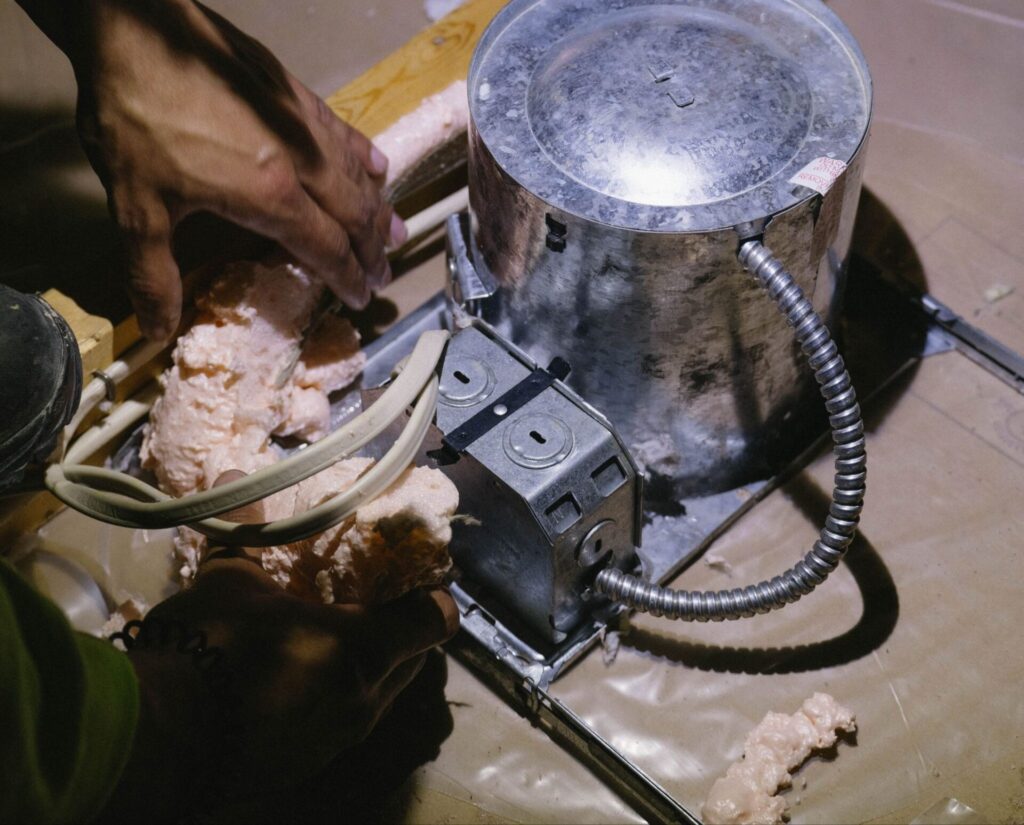
There is no single “best” insulation for every home. Different materials work better in different areas, and the right choice depends on your home’s structure, existing insulation, moisture conditions, budget, and performance goals. Common insulation solutions include:
Blown-In Insulation
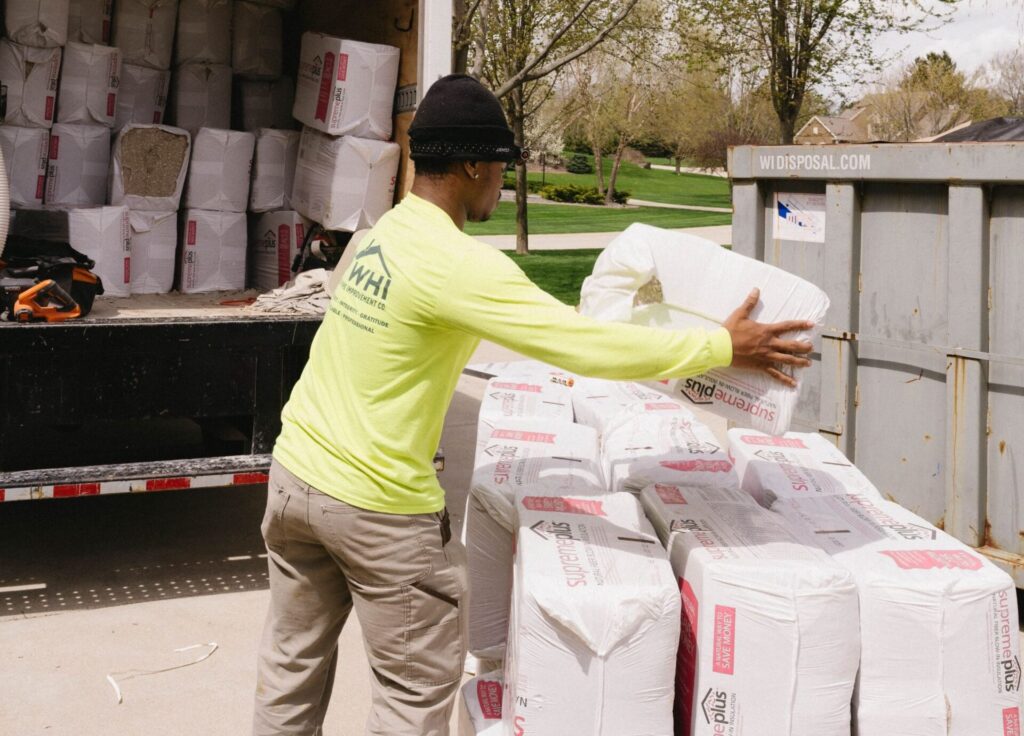
Blown-in insulation is commonly used in attics and wall cavities. It can provide even coverage, especially in areas that are difficult to reach with batt insulation. It is often a strong option for improving attic R-value and overall comfort.
Spray Foam Insulation
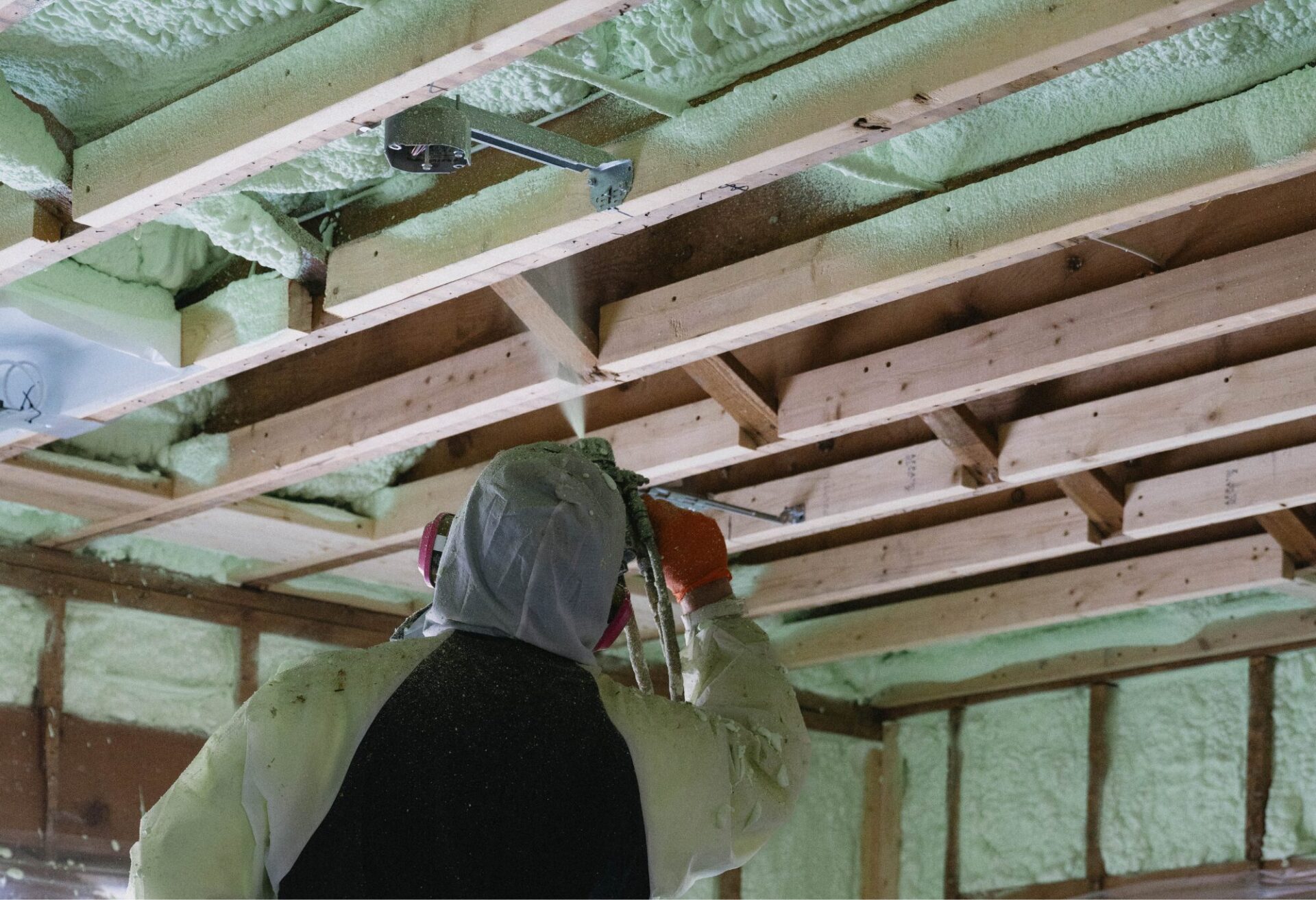
Spray foam insulation expands to fill gaps and cracks, creating both insulation value and air sealing benefits. Closed-cell spray foam is often used in areas like box sills, rim joists, crawl spaces, basements, and other areas where air leakage and moisture resistance are important.
Box Sill and Rim Joist Insulation
Box sills and rim joists are common sources of drafts and cold floors. Insulating and sealing these areas can make a noticeable difference, especially in older homes.
A trustworthy insulation contractor doesn’t push the same product for every situation. They should explain why a specific material is recommended and how it supports your home’s needs.
Check Whether the Contractor Understands Wisconsin Homes
A home in Southeast Wisconsin faces different challenges than a home in a mild climate. Here, we deal with cold winters, humid summers, freeze-thaw cycles, heavy snow, spring moisture, and large temperature swings.
All of these factors create unique insulation and home performance concerns, including:
- Winter heat loss and ice dams
- Cold attic or knee wall areas
- Moisture buildup in attics and humidity management in summer
- Drafty basements and box sills
- Uneven comfort between floors
- High seasonal utility bills
A local insulation contractor should understand how these issues show up in midwest homes. Local experience matters because Wisconsin homes vary widely. The best contractor is familiar with the kinds of homes, weather patterns, and building envelope problems common in your area.
Look for a Contractor That Can Help With Rebates and Incentives
Insulation and air sealing upgrades may qualify for energy efficiency rebates or incentives. These programs can change over time, and eligibility often depends on the type of project, your home, your utility, your household income, and whether the work is completed by a qualifying contractor. That is why it helps to work with a company that understands available programs and can help you navigate the process.
Before choosing a contractor, ask:
- Do you help homeowners identify available rebates?
- Do you participate in Focus on Energy programs?
- Will you explain what my home may qualify for?
- Do you provide the documentation needed for rebates?
- Are incentives included in the project estimate?
A good contractor should make the process easier, not leave you to figure it out alone. We’re a proud Focus on Energy® Trade Ally, helping homeowners identify available rebates and incentives that make improvements more attainable.
Read Reviews, But Look for the Right Details
Reviews are useful, but not all reviews tell you the same thing. When researching “insulation company near me,” look beyond the star rating and pay attention to what customers actually mention.
Helpful review details may include:
- Did the contractor explain the issue clearly?
- Was the team professional and respectful of the home?
- Did the project solve the homeowner’s comfort problem?
- Was the work completed cleanly and on schedule?
- Did the company communicate well before, during, and after the project?
- Did the homeowner mention energy savings, comfort improvements, or reduced drafts?
- Did the company stand behind its work?
A review that says “they added insulation quickly” is fine. A review that says “they diagnosed our attic air leaks, explained what was causing our ice dams, completed the work professionally, and our home is noticeably more comfortable” tells you much more about what you can expect.
Ask Who Will Actually Install the Insulation
When you hire an insulation contractor, always ask whether the company uses in-house installers or subcontractors. There can be qualified subcontractors, but in-house teams, like the pros at Wisconsin Home Improvement, give a company more control over quality standards, scheduling, communication, and consistency.
Insulation performance depends on proper installation. Even high-quality materials can underperform if they are installed poorly, unevenly, or without addressing air leaks and moisture concerns.
Before signing a contract, ask:
- Who will perform the installation?
- Are installers trained in the materials being used?
- What quality control steps are followed?
- Will the team protect the home during installation?
- What happens if an issue is discovered during the project?
- Who do I contact with questions afterward?
The answers will tell you a lot about how the company operates.
Be Cautious of One-Size-Fits-All Recommendations
If you get several insulation estimates, you may notice a wide range of recommendations. That is not always a bad thing. Different contractors may notice different issues or specialize in different solutions. What should raise concern is a recommendation that seems too generic.
Be careful if a contractor:
- Recommends insulation without inspecting the home
- Doesn’t ask about comfort problems or energy bills
- Ignores signs of moisture, mold, condensation, or ventilation issues
- Focuses only on price per square foot
- Does not explain why a material is being recommended
- Says air sealing is unnecessary without evaluating leakage points
- Pushes a product before understanding the problem
- Cannot explain how the work will improve comfort or performance
The cheapest quote isn’t always the best value, especially if it skips important steps. A properly designed insulation project should solve the root cause of the problem, not just cover it up.
Questions to Ask Insulation Contractors Near You
Before choosing a company, use these questions to compare your options:
- Do you offer a home energy assessment before recommending work?
- Are you evaluating insulation, air sealing, ventilation, and moisture concerns?
- What insulation materials do you recommend for my home, and why?
- Is air sealing included?
- Are there health or safety issues that should be addressed first?
- Who will complete the installation?
- Do you use in-house installers or subcontractors?
- What areas of my home are most important to prioritize?
- Do you help with rebates or incentives?
- What results should I realistically expect?
- How will you protect my home during installation?
- What kind of follow-up or support do you provide?
A good contractor will welcome these questions. If they cannot answer clearly, that’s a sign to keep looking.
Why Homeowners in SE Wisconsin Choose Wisconsin Home Improvement
At Wisconsin Home Improvement, we believe effective insulation is about understanding what is happening inside your home and creating a solution that improves comfort, efficiency, health, and durability.
Our team helps homeowners throughout Southeast Wisconsin address issues like drafts, high utility bills, ice dams, moisture concerns, uneven temperatures, and underperforming insulation. We use a building science approach to evaluate how your home is working as a system, then recommend improvements designed to solve the root cause of the problem.
Our services include:
- Home energy assessments
- Attic insulation
- Wall insulation
- Blown-in insulation
- Spray foam insulation
- Box sill and rim joist insulation
- Attic air sealing
- Ventilation recommendations
- Rebate and incentive guidance
We are not here to sell insulation for the sake of selling insulation. We are here to help you understand what your home needs so you can make confident decisions about long-term improvements.
Finding the Right Insulation Contractor Near You
Searching for “insulation contractors near me” is a smart first step, but the right choice comes down to more than proximity.
Look for a company that understands Wisconsin homes, evaluates your whole home, explains the why behind the recommendation, and helps you make improvements that last. The right insulation contractor should leave you with a home that feels better, performs better, and is prepared for every Wisconsin season.
Ready to improve your home’s comfort and efficiency? Wisconsin Home Improvement can help you start with a free home energy audit. Schedule your free home energy audit today and find out what your home really needs.