Winter can be tough on Wisconsin homes.
Between freezing temperatures, snow buildup, ice dams, and long heating cycles, your home works overtime to keep you comfortable. As temperatures rise, spring is the perfect time to assess how your home performed over winter and make improvements that protect comfort, efficiency, and durability heading into warmer months.
Below is a practical, building science–focused spring maintenance checklist to help you maintain an efficient, healthy home.
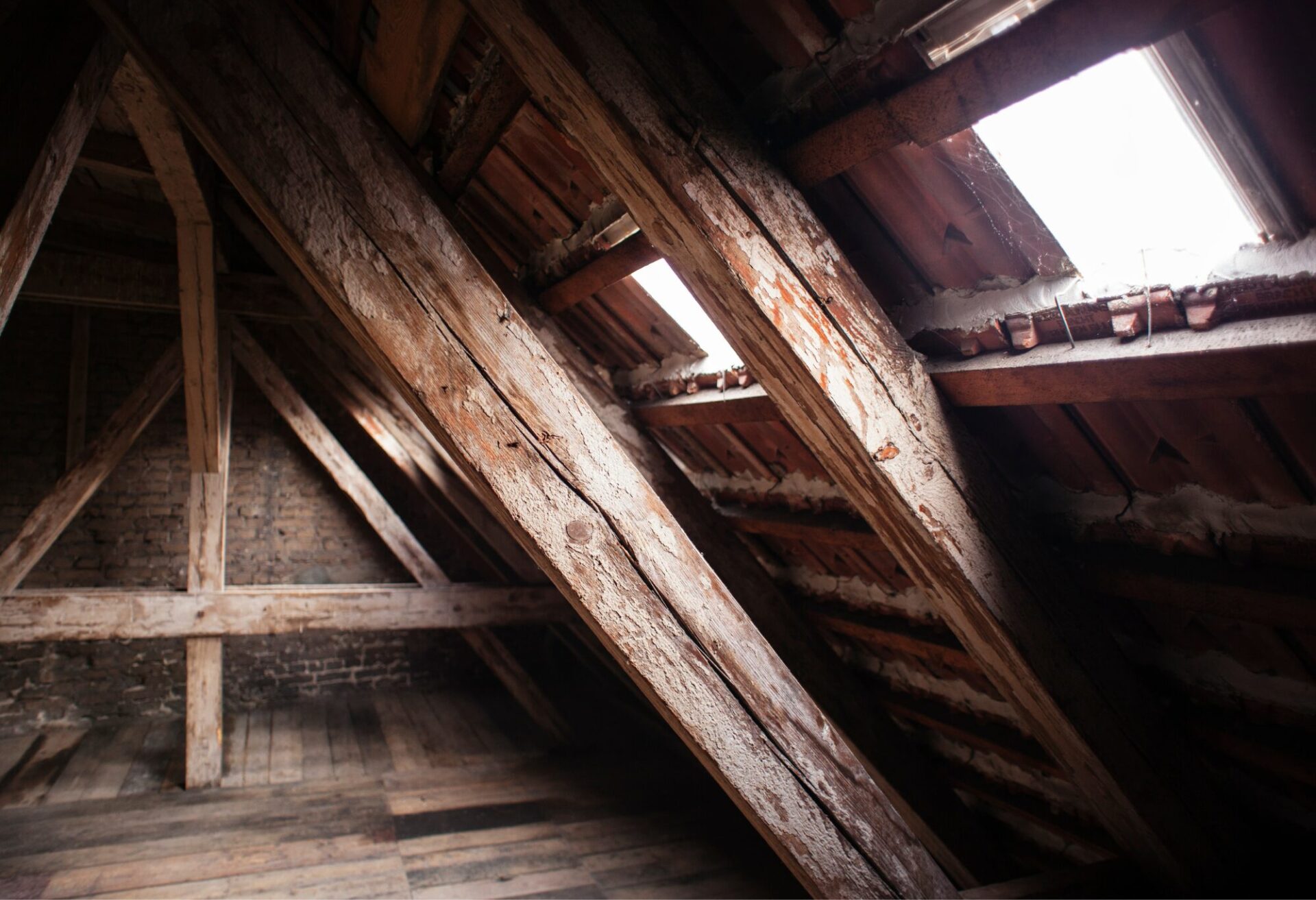
1. Inspect Your Attic for Winter Damage
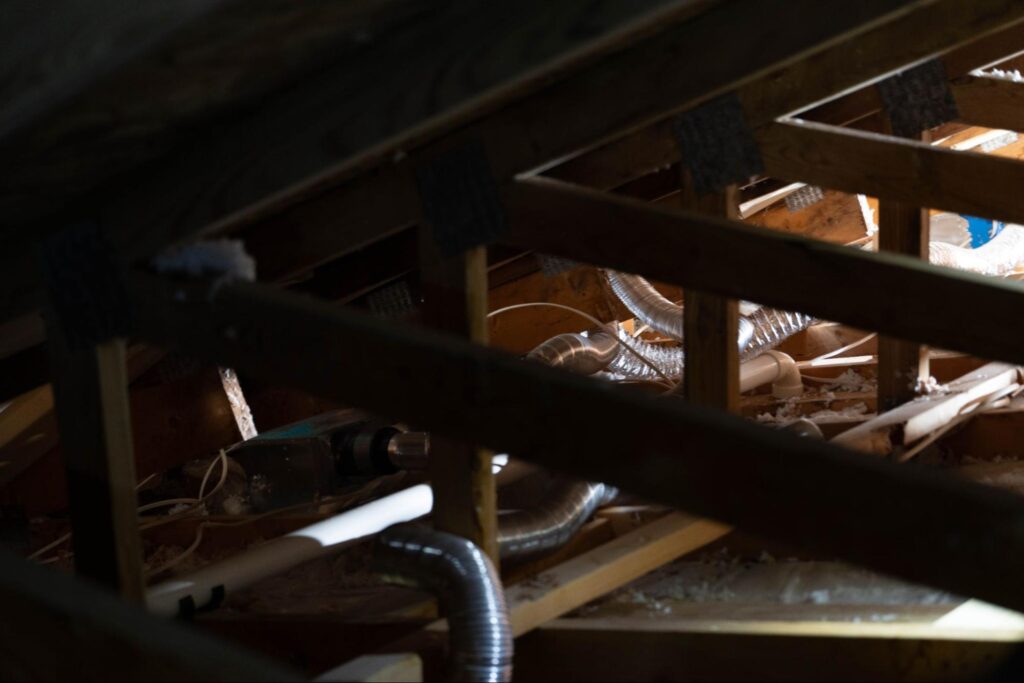
Your attic tells the story of how your home performed all winter.
Look for:
- Wet or compressed insulation
- Signs of mold or mildew
- Rust on nails or fasteners
- Water staining on sheathing
- Evidence of past ice dams
If insulation is damp or compacted, it loses R-value and becomes less effective. Moisture issues often point to air sealing or ventilation problems — not just “needing more insulation.”
Why this matters: Your attic is a critical part of your building envelope. Poor air sealing and ventilation can lead to condensation, mold growth, and structural damage over time.
If you experienced ice dams this winter, spring is the time to address the root cause, not just repair the roof damage.
2. Check for Air Leaks
As heating season winds down, it’s a good time to identify areas where conditioned air may have been escaping all winter.
Common leakage areas include:
- Attic hatches
- Recessed lighting
- Plumbing and electrical penetrations
- Rim joists (box sills)
- Around windows and doors
Air leakage doesn’t just waste energy — it drives moisture movement through your home’s structure, increasing the risk of condensation and mold.
Tip: If certain rooms were consistently colder this winter, air sealing may be part of the solution.
3. Examine Your Gutters and Roofline
Winter debris and ice buildup can damage gutters and roof edges.
Inspect for:
- Loose or sagging gutters
- Improper drainage away from the foundation
- Shingle damage from ice dams
- Signs of water intrusion along fascia
Water management is a major part of home durability. When gutters fail, moisture can enter wall assemblies and cause long-term structural damage.
4. Evaluate Moisture in Your Basement or Crawl Space
Spring snowmelt and rain can reveal moisture vulnerabilities.
Look for:
- Damp rim joists
- Musty odors
- Condensation on foundation walls
- Visible mold growth
- Wet insulation
The rim joist (box sill) is a common problem area in Wisconsin homes. If it’s poorly insulated or air sealed, it can allow significant air and moisture movement.
Addressing basement air sealing and insulation can dramatically improve comfort and energy performance throughout the home.
5. Review Your Ventilation Strategy
As outdoor humidity increases, proper ventilation becomes critical.
Poor ventilation can lead to:
- Excess indoor humidity
- Mold growth
- Poor indoor air quality
- Increased strain on cooling systems
Your attic ventilation, bath fans, and whole-home ventilation strategy all play a role in maintaining balance.
Remember: insulation alone doesn’t solve comfort problems. Homes are systems, and ventilation is a key part of that system.
6. Schedule an Energy Assessment
Spring is one of the best times to schedule a home energy audit.
Why?
- You can assess winter performance while it’s still fresh
- You can prepare your home before summer cooling season
- Contractors typically have more scheduling flexibility than peak winter
A professional energy assessment goes beyond surface-level inspection. It includes diagnostic testing to identify air leakage, insulation gaps, and ventilation imbalances.
This ensures solutions are tailored to your home, not a one-size-fits-all recommendation.
7. Prepare for Summer Efficiency
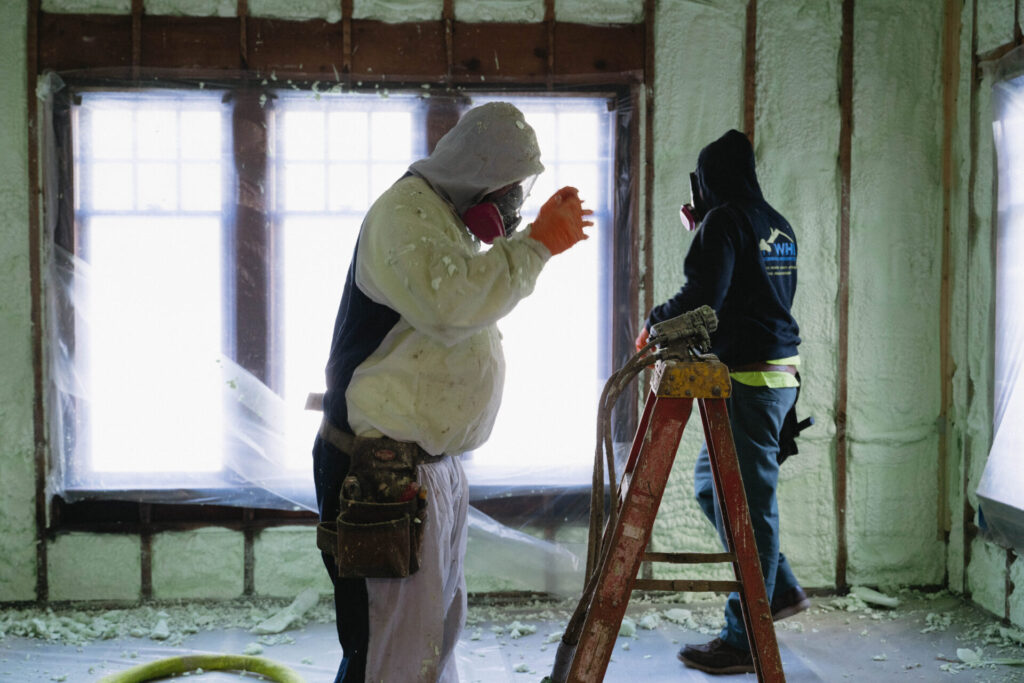
What you do now will determine how comfortable your home feels in July.
Spring upgrades can help:
- Reduce cooling costs
- Improve humidity control
- Eliminate hot second floors
- Prevent mold and condensation
If certain areas of your home consistently overheat in summer, the issue often starts in the attic or with poor air sealing, not just your air conditioner.
Why Spring Maintenance Matters
Home efficiency isn’t just about saving on utility bills (though that’s certainly a benefit). It’s about:
- Protecting your home’s structure
- Improving indoor air quality
- Increasing comfort year-round
- Preventing costly repairs
- Extending the life of your roofing and insulation systems
Small building envelope issues rarely stay small. Addressing them in spring can prevent larger problems next winter.
When to Call a Professional
You should consider a professional evaluation if you notice:
- Ice dams this winter
- Persistent hot or cold rooms
- High energy bills
- Mold or moisture in the attic
- Condensation on windows
- Musty basement odors
At Wisconsin Home Improvement, we diagnose building-envelope issues using building-science principles. Our approach focuses on long-term durability, comfort, and efficiency, not just adding more insulation.
Ready to Protect Your Home This Spring?
A proactive approach now can prevent comfort issues and expensive repairs later. Schedule your free home energy audit to discover how your home is truly performing and which solutions will deliver lasting results.
Because spring maintenance is about building a home that performs better year-round.