
Winter in Southeastern Wisconsin can be beautiful, but it can also be incredibly hard on your home.
When temperatures drop and snow piles up, your attic and walls quietly absorb the stress. By the time spring arrives, many homeowners are left dealing with comfort issues, rising utility bills, moisture problems, or even hidden structural damage, often without realizing winter was the cause.
At Wisconsin Home Improvement, we specialize in diagnosing and solving building envelope issues, not just selling insulation. And winter is one of the biggest tests of your home’s performance.
Here’s what could be happening behind your walls and above your ceiling.
1. Ice Dams: A Symptom of a Bigger Problem
If you’ve ever seen large icicles forming along your roofline, you may have also experienced ice dams.
Ice dams form when:
- Heat escapes from your attic
- Snow melts unevenly on your roof
- Meltwater refreezes at the eaves
- Water backs up under shingles
The visible icicles are only part of the story.
Even after ice dams melt, they can leave behind damage that you might not see:
- Wet insulation in your attic
- Water-stained roof decking
- Mold growth
- Compromised drywall and ceilings
- Reduced insulation performance
Ice dams are rarely just a “roof problem.” They’re often the result of air leakage, poor insulation levels, and improper ventilation working together.
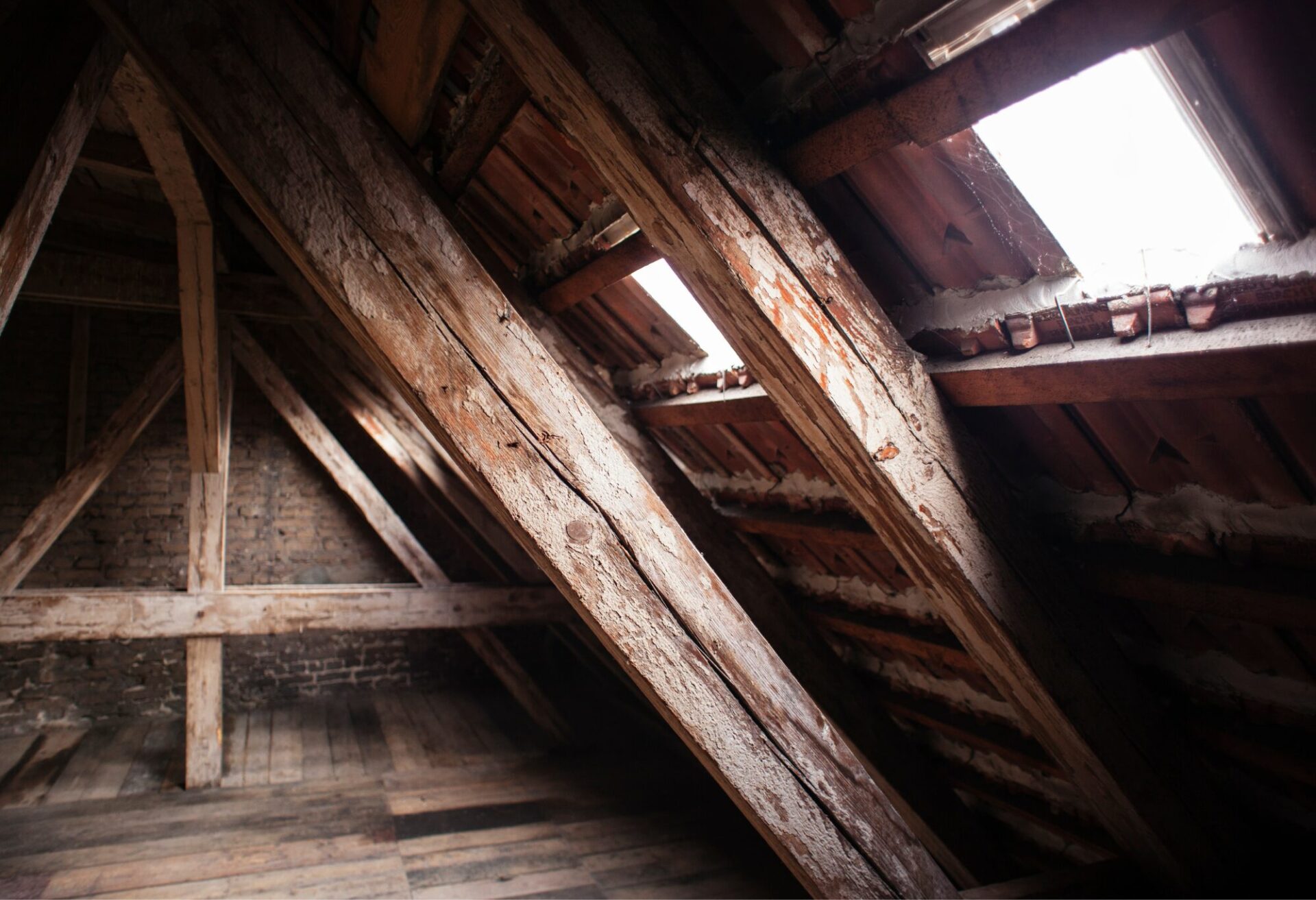
2. Hidden Condensation in Your Attic
Warm indoor air naturally rises. In winter, that warm air carries moisture from:
- Showers
- Cooking
- Laundry
- Everyday breathing
If your attic isn’t properly air sealed, that warm, moist air escapes upward. When it hits cold roof surfaces, condensation forms.
Over time, this can lead to:
- Mold and mildew growth
- Damp insulation
- Wood rot
- Rusted nails or fasteners
- Structural deterioration
Many homeowners never see this damage because it’s hidden beneath insulation or behind framing — until it becomes a much larger issue.
3. Compromised Wall Cavities
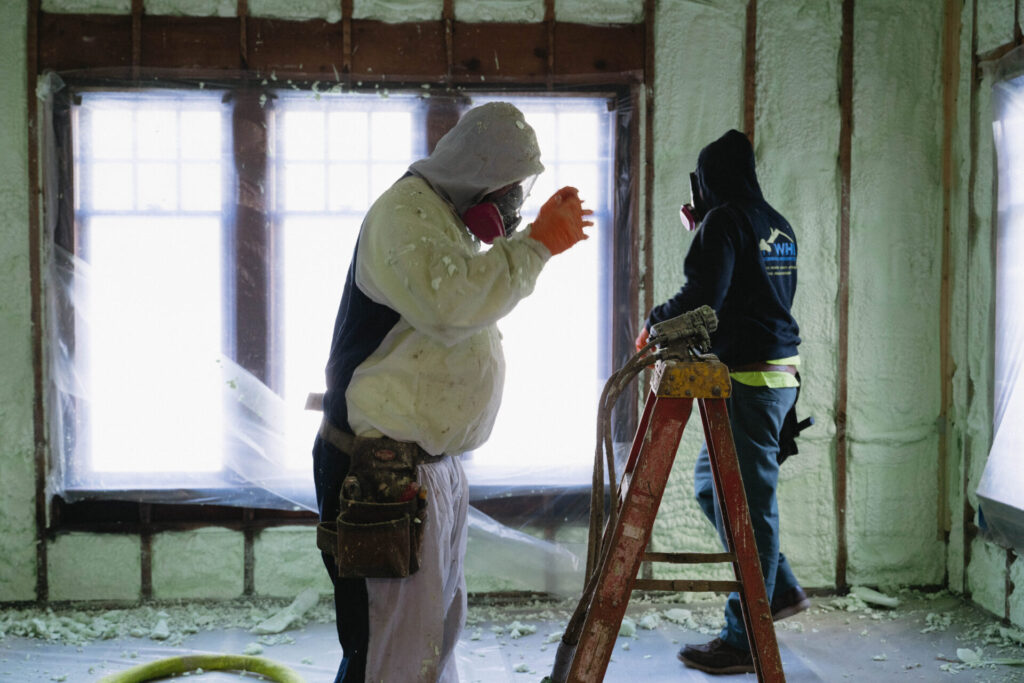
Winter doesn’t just affect your attic. Your exterior walls also experience major temperature swings.
If wall insulation is missing, poorly installed, or settled over time, you may experience:
- Cold spots near outlets or baseboards
- Drafts
- Higher heating bills
- Condensation inside wall cavities
Over time, moisture trapped inside walls can:
- Degrade insulation performance
- Promote mold growth
- Damage sheathing
- Impact indoor air quality
Walls often go unchecked for decades and winter is when weaknesses show up.
4. Wet or Compressed Insulation
Insulation only works when it’s dry and properly installed.
Winter moisture from ice dams, condensation, and air leakage can cause insulation to become wet or compressed.
When insulation gets wet:
- It loses R-value (thermal performance)
- It no longer resists heat flow effectively
- Your heating system works harder
- Utility bills increase
The frustrating part? You might assume your insulation is “fine” simply because it’s there, but performance depends on proper installation, air sealing, and moisture control.
5. Air Leakage That Winter Exposes
Winter acts like a pressure test for your home:
- Cold outdoor air pushes inward.
- Warm indoor air pulls upward.
- Stack effect intensifies.
If your home isn’t properly air sealed, you may notice:
- Drafty rooms
- Uneven temperatures
- Cold floors
- High energy bills
But what’s happening behind the scenes is even more important, like…
- Moisture-laden air moving through cavities
- Temperature fluctuations stressing materials
- Long-term durability issues developing slowly
Air sealing isn’t about comfort alone, but about protecting the integrity of your home.
Signs Winter May Have Left Damage Behind
Not sure if your home was affected?
Look for:
- Stains on ceilings
- Peeling paint
- Musty smells
- Cold spots near walls
- Ice dam history
- Unusually high winter utility bills
- Persistent drafts
These symptoms often connect back to building envelope issues — the attic, insulation, ventilation, and air barriers working (or not working) together.
Why Quick Fixes Don’t Solve the Real Problem
It’s tempting to chip away ice dams, add more insulation on top of existing material, or patch a ceiling stain.
But without diagnosing the root cause, the issue often returns next winter.
True solutions require:
- Understanding how air moves through your home
- Identifying moisture pathways
- Evaluating insulation performance
- Assessing ventilation balance
That’s where building science comes in. We don’t just treat symptoms. We diagnose the system.
A Comprehensive Approach to Winter Damage
At Wisconsin Home Improvement, we approach winter damage by looking at the entire building:
- Attic air sealing
- Proper insulation levels
- Ventilation design
- Moisture management
- Performance testing
Our goal is to improve comfort, durability, and long-term home health, not just add more insulation or make your home warmer.
Protect Your Home Before Next Winter
Winter stress doesn’t disappear when the snow melts. Hidden moisture, compressed insulation, and air leakage can affect your home year-round.
If you experienced ice dams, drafts, or high energy bills this winter, now is the time to investigate, not when temperatures drop again.
Your home should be comfortable, efficient, and built to last in every season. Schedule your free home energy audit, and let’s identify what winter may have left behind.