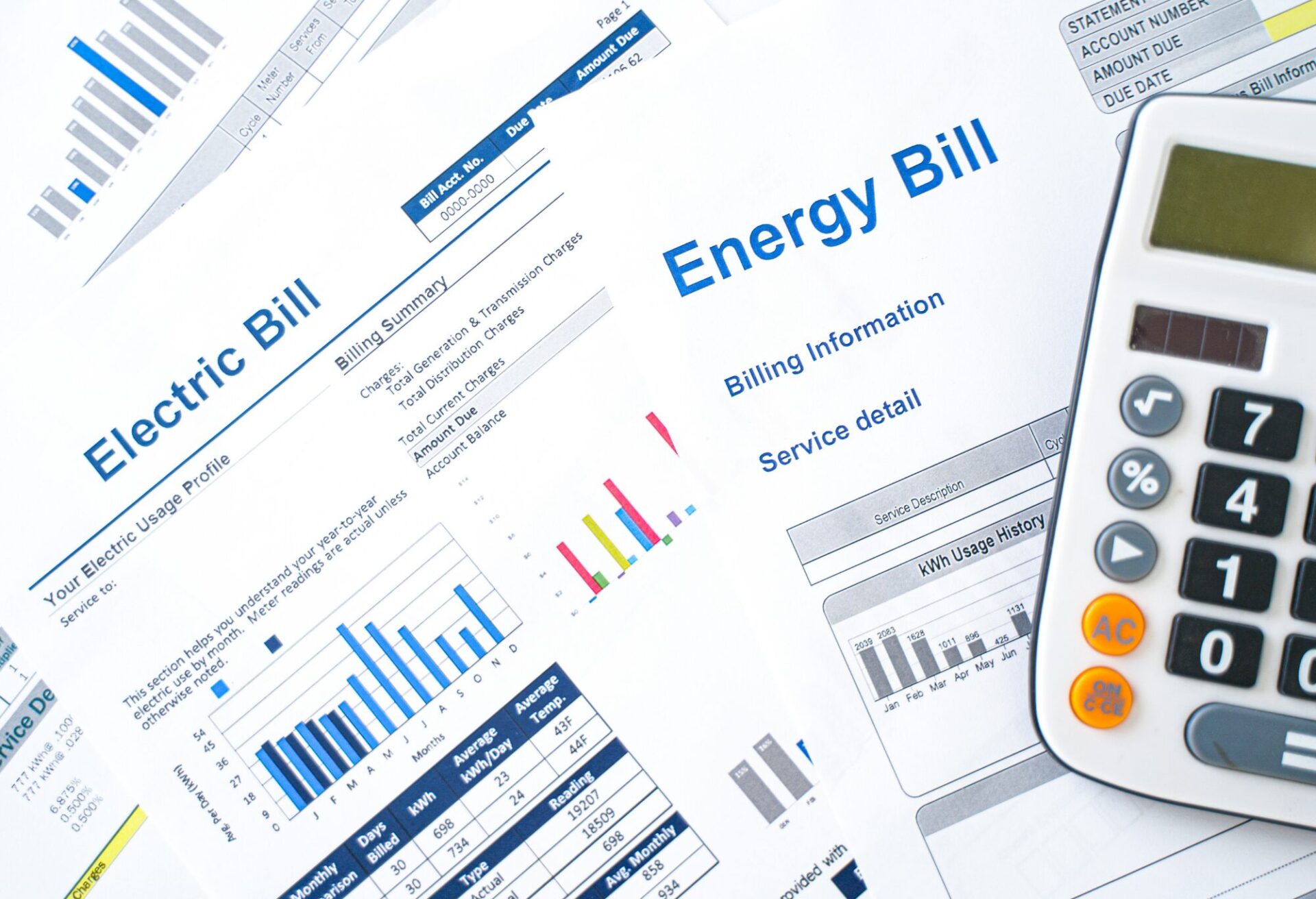
With energy costs remaining high and seasonal weather becoming more extreme, many Wisconsin homeowners are still paying more than they expect to heat and cool their homes.
The good news? Proven energy efficiency improvements, especially insulation and air sealing, continue to deliver meaningful savings in 2026 and beyond, while making homes more comfortable and resilient year-round.
Homeowners have a few ways to initiate energy savings this year and for many years to come.
Energy Efficiency in 2026: What Homeowners Should Know
In 2026, energy efficiency is no longer about quick fixes or single upgrades. Instead, it’s about how your home performs as a complete system. Rising energy costs, more extreme seasonal weather, and increased time spent at home have made insulation, air sealing, and ventilation more important than ever. Homes that address these elements together experience more consistent indoor comfort, lower heating and cooling costs, and longer-lasting improvements than equipment-only solutions. By focusing on the building envelope first, homeowners set the foundation for efficient heating and cooling performance year after year.
Home Insulation: The First Step to Energy Savings
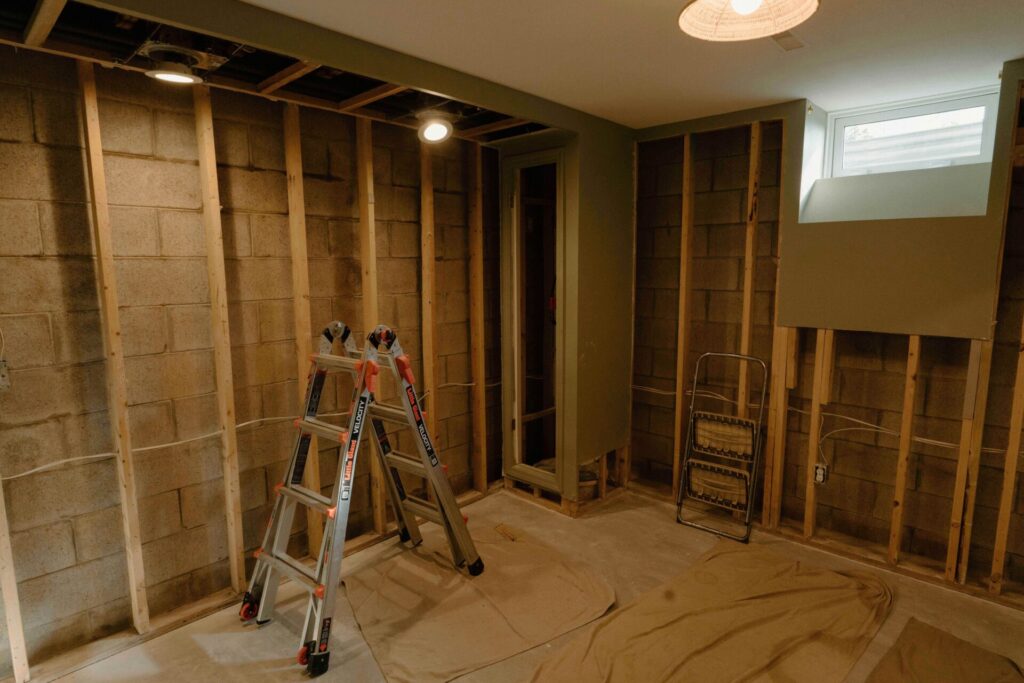
While replacing a home’s HVAC system can improve efficiency, the home may still waste money on heating and cooling costs if it is underinsulated. Without proper air sealing and insulation, the heat will escape from the living quarters into the attic and out through the roof. Insulation helps keep outdoor temperatures out of the home year-round, helping homeowners and their families stay warm in the winter and cool in the summer. The furnace or air conditioner in a well-insulated home will not need to run as often or for as long to maintain a comfortable temperature, leading to savings on energy bills every month.
Advanced Air Sealing Techniques
Similar to insulation, a home with lots of cracks, holes, and air leaks in its exterior structure will waste energy by allowing outdoor air to enter and conditioned air to escape through the roof and walls. Air sealing closes existing holes and minimizes energy waste, and in many cases, it also increases the effectiveness of a home’s insulation.
Air sealing and insulating your home simultaneously is a great approach to saving money. In fact, according to the U.S. Department of Energy, homeowners in cold climates like the Milwaukee area can reduce heating and cooling costs by up to 20% through comprehensive insulation and air sealing upgrades.
Identifying and Sealing Common Air Leaks
Identifying and sealing common air leaks is an important step in improving energy efficiency and maintaining indoor comfort in a home. Air leaks can contribute to heat loss in the winter and heat gain in the summer, leading to higher energy bills.
The best way to identify air leaks is to invest in a thorough inspection conducted by a professional inspector. Every home has its unique quirks, but, in general, to identify air leaks, an inspector or homeowner should:
Inspect windows and doors to check for gaps by looking for daylight and feeling for drafts.
Inspect the weatherstripping to look for wear and damage.
Examine exterior openings where different building materials meet, such as along corners, siding joints, and where the foundation meets the walls.
Check for gaps around utility line installations, including pipes, vents, and electrical conduits.
Check for gaps around attic access doors and hatches.
Inspect the areas where the chimney passes through the ceiling and out the roof.
Inspect the electrical outlet and switch cover plates to check for gaps.
Check for air drafts around electrical boxes.
Inspect joints and connections in the heating and air conditioning ductwork.
Inspect the fireplace damper to ensure it closes tightly when the fireplace isn’t in use.
Check for gaps between baseboards, crown molding, and walls.
After identifying air leaks, the next step is to determine the best way to seal them. Some air leaks can be sealed with caulk or new weatherstripping, while other leaks may require more extensive sealing procedures with foam sealant, energy home insulation, or gaskets.
By identifying and sealing common air leaks, homeowners can improve energy efficiency, reduce utility bills, and enhance indoor comfort. Regular inspections and maintenance are essential to keep a home’s envelope well-sealed and insulated.
How a Home Performance Assessment Works
A home performance assessment, also known as a home energy audit, is a comprehensive evaluation of a home’s energy efficiency, indoor air quality, and overall performance. The assessment is designed to identify areas where energy is being wasted and to recommend improvements to enhance the home’s efficiency.
Professionals hired to conduct a home performance assessment should be experienced in identifying air leaks, assessing a home’s insulation, and creating plans for a homeowner to improve the space’s efficiency, ultimately helping the homeowner save on electric and gas (if applicable) bills. In addition to evaluating the home to recommend improvements for energy savings, the assessment should include an inspection to identify any inefficiencies that could pose safety hazards, such as areas with moisture buildup or ventilation issues.
Innovative Solutions for Heating and Cooling Efficiency
In 2026, the most effective heating and cooling upgrades are those that work in tandem with a well-sealed, well-insulated home. Cold-climate heat pumps, smart thermostats, and zoning controls perform best when the building envelope minimizes energy loss—reducing system run time and extending equipment lifespan.
- Geothermal heat pumps that use the stable temperature of the earth to efficiently heat a home in winter
- Smart thermostats and advanced heating and cooling controls that use sensors and algorithms to optimize heating and cooling schedules based on occupancy and external weather conditions, making it easy to save on heating for a home
- Variable Refrigerant Flow (VRF) systems that provide precise control over a home’s cooling by adjusting the refrigerant flow to different zones in the home
- Cool roofing materials that reflect more sunlight and absorb less heat, reducing the need for air conditioning in a home
However, implementing these innovative solutions requires careful consideration of the building’s specific characteristics and needs. Integrated approaches that combine multiple technologies often provide the most effective results in achieving optimal heating and cooling efficiency and lowering a home’s energy bill.
Practical Tips to Reduce Daily Energy Usage
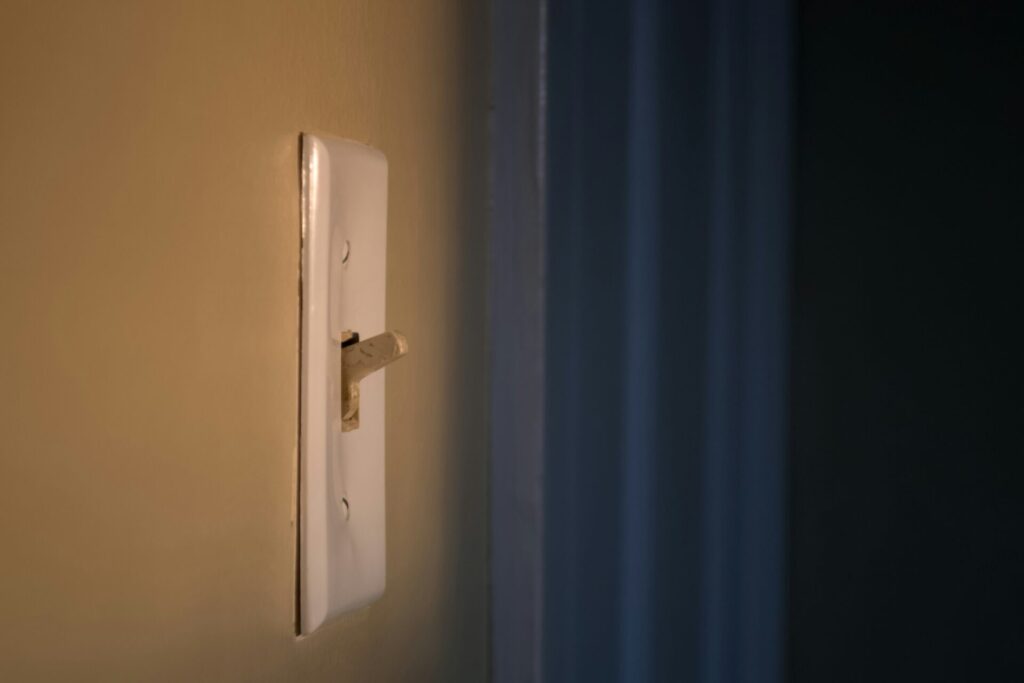
In addition to upgrading the technology that heats and cools a home, improving the home’s insulation, and addressing air leaks, families need to address several detrimental habits and behaviors that impact a home’s energy usage, such as:
- Lighting: Switch to energy-efficient LED bulbs, turn off lights when leaving a room, and make use of natural light during the day.
- Appliances and Electronics: Unplug appliances and electronics that are not in use, upgrade to energy-efficient models, and use power strips that are easy to turn on and off when not in use.
- Heating and Cooling: Use programmable thermostats set to reasonable temperatures, schedule regular maintenance for HVAC systems, and lower the hot water heater temperature setting.
- Laundry and Dishwashing: Wash clothes in cold water and hang to dry, and let dishes air-dry instead of using the heat-dry setting on a dishwasher.
By incorporating these practical tips into your daily routine, you can significantly reduce energy consumption and promote a more sustainable, cost-effective lifestyle for years to come.
Wisconsin Home Improvement Energy Audits: Your Roadmap to Savings
So, where should a homeowner start when evaluating insulation and potential air-sealing problems? And how can someone determine which areas of a home need attention?
A home performance audit conducted by trusted professionals, such as those at Wisconsin Home Improvement, is a great starting point.
Also known as a home energy audit, a home performance audit provides a comprehensive assessment of a home’s energy efficiency. At Wisconsin Home Improvement, a team first conducts a visual inspection of the home, including the home’s exterior, attic, basement, and any crawlspaces. Experts then run different tests to find weaknesses in the structure, including:
- Blower door tests: This is a process that detects air leaks and drafts in a home to help homeowners identify opportunities for air sealing.
- Infrared thermal imaging: Infrared cameras can reveal the hidden parts of a home that have poor insulation or excessive energy loss that are not visible to the naked eye.
Along with the audit results, Wisconsin Home Improvement can recommend the work needed to provide the most benefits for a home and achieve the highest energy savings, including attic insulation, crawl space insulation, and air sealing.
Many insulation and air sealing improvements may qualify for federal, state, or utility incentives in 2026. A professional home energy audit helps identify which upgrades deliver the best return, and which incentives your home may qualify for, before any work begins.If you’re looking to lower your energy bills in 2026 and keep them low for years to come, a professional home performance audit is the smartest place to start. Wisconsin Home Improvement uses building science, testing, and real data to uncover where your home is losing energy and how to fix it for lasting results.