
Most homeowners never think about what’s happening inside their walls until something goes wrong. Maybe certain rooms feel drafty, your energy bills keep climbing, or you’re dealing with recurring moisture problems. These issues often seem random, but they usually point to something much deeper: the condition of your building envelope.
Your building envelope is the critical system that separates the inside of your home from the outdoors. When it performs well, you enjoy year-round comfort, lower utility bills, and a healthier, more durable home. When it doesn’t, you start feeling the symptoms almost immediately.
Understanding what’s really behind your walls can give you clarity on why problems show up and how to fix them the right way.
What Is the Building Envelope?
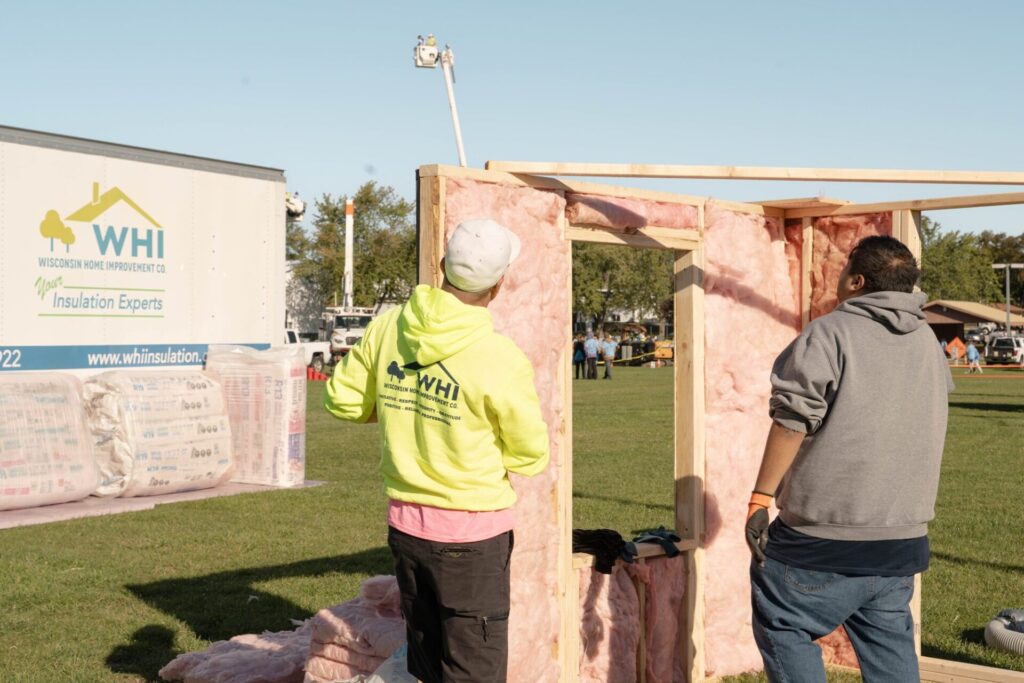
The building envelope includes the materials and systems that control the movement of heat, air, and moisture throughout your home. Although homeowners often think of insulation as the main piece, it’s actually part of a larger, interconnected system.
The Thermal Barrier (Insulation)
This layer slows heat transfer, keeping your home warm in winter and cool in summer. To work properly, insulation must be continuous and installed without gaps or compression. You’ll find insulation in your attic, walls, basement, crawl space, and box sills.
The Air Barrier
This layer keeps indoor air from leaking out and outdoor air from leaking in. Air leaks make insulation perform poorly, increase your energy bills, and create uncomfortable temperature swings. Common problem areas include attic penetrations, recessed lights, rim joists, and plumbing or electrical openings.
The Moisture Management Layer
Moisture control is essential for preventing mold, rot, and long-term structural damage. Vapor retarders, proper ventilation, and controlled airflow all work together to help moisture escape rather than become trapped in your walls.
When all three layers work together, your home performs at its best.
What’s Actually Behind Your Walls?
If you could peel back your drywall, you might be surprised by what you’d find. Even homes that look beautiful on the surface can hide issues that affect comfort and efficiency.
Common problems include:
- Gaps or missing insulation
- Compressed or improperly installed insulation
- Air leaks around framing, wires, and pipes
- Damp or moldy insulation
- Rodent nesting that has disturbed materials
- Torn or missing vapor barriers
Each of these issues allows heat, air, or moisture to move where it shouldn’t, and they work against your home’s comfort and durability every day.
Why the Building Envelope Matters for Home Health and Durability
A well-performing building envelope creates noticeable benefits for homeowners.
You’ll experience:
- More consistent temperatures throughout the house
- Lower heating and cooling bills
- Fewer drafts
- Prevention of ice dams
- Better indoor air quality
- Less moisture and condensation
- Longer-lasting building materials
If you struggle with ice dams, cold floors, high energy bills, or musty smells, the cause is often hidden in the envelope rather than in the visible parts of your home.
How Problems in the Envelope Begin
Even a well-built home can develop issues over time. Problems can start due to:
- Original construction shortcuts
- Settling or shifting of insulation
- Aging insulation in older homes
- Unsealed attic bypasses
- Changes made during renovations
- Poor ventilation
- Damage from rodents or pests
These aren’t always visible from the inside, which is why professional diagnostics matter.
How We Diagnose What’s Behind Your Walls
At Wisconsin Home Improvement, we don’t guess. We use detailed, science based testing to uncover what’s happening inside your building envelope.
Our assessment may include:
- A full visual inspection
- Thermal imaging to reveal hot and cold spots
- Blower door testing to identify air leakage
- Moisture evaluations
- Pinpointing bypasses and hidden gaps
- Reviewing ventilation pathways
- Creating a personalized plan for improvements
Because every home is different, we only recommend solutions after understanding the root causes of the issues.
Solutions for a Healthy Building Envelope
Depending on what we find, improving your building envelope may include:
- Adding or upgrading attic insulation
- Air sealing to stop uncontrolled air movement
- Reinsulating walls or box sills
- Correcting ventilation issues in the attic
- Moisture management improvements
- Crawl space insulation or encapsulation
These solutions work together to create a home that is comfortable, efficient, and protected year-round.
Signs Your Building Envelope Needs Attention
Homeowners often notice symptoms long before they realize what’s causing them. Common red flags include:
- Rooms that won’t stay warm or cool
- Constantly rising utility bills
- Cold floors or drafts
- Condensation on windows
- Ice dams forming in winter
- Musty odors
- Uneven temperatures between floors
These symptoms are your home’s way of telling you the envelope isn’t doing its job.
The Payoff of Improving Your Building Envelope
When your home’s envelope is properly insulated, sealed, and ventilated, you’ll notice the difference right away. Benefits include:
- Lower heating and cooling costs
- Stable temperatures in every room
- Less noise from outside
- Better indoor air quality
- Longer roof and building material lifespan
- Fewer winter headaches, like condensation or ice dams
- More comfort day and night
Most importantly, you gain peace of mind knowing your home is performing the way it should.
Know What’s Behind Your Walls With a Free Home Energy Audit
Understanding your building envelope is the first step toward solving comfort and efficiency problems. If you’re noticing drafts, hot and cold spots, or rising energy costs, we can help you uncover what’s really going on.A free home energy audit gives you a complete picture of how your home is performing and what improvements will make the biggest difference. Schedule yours today!