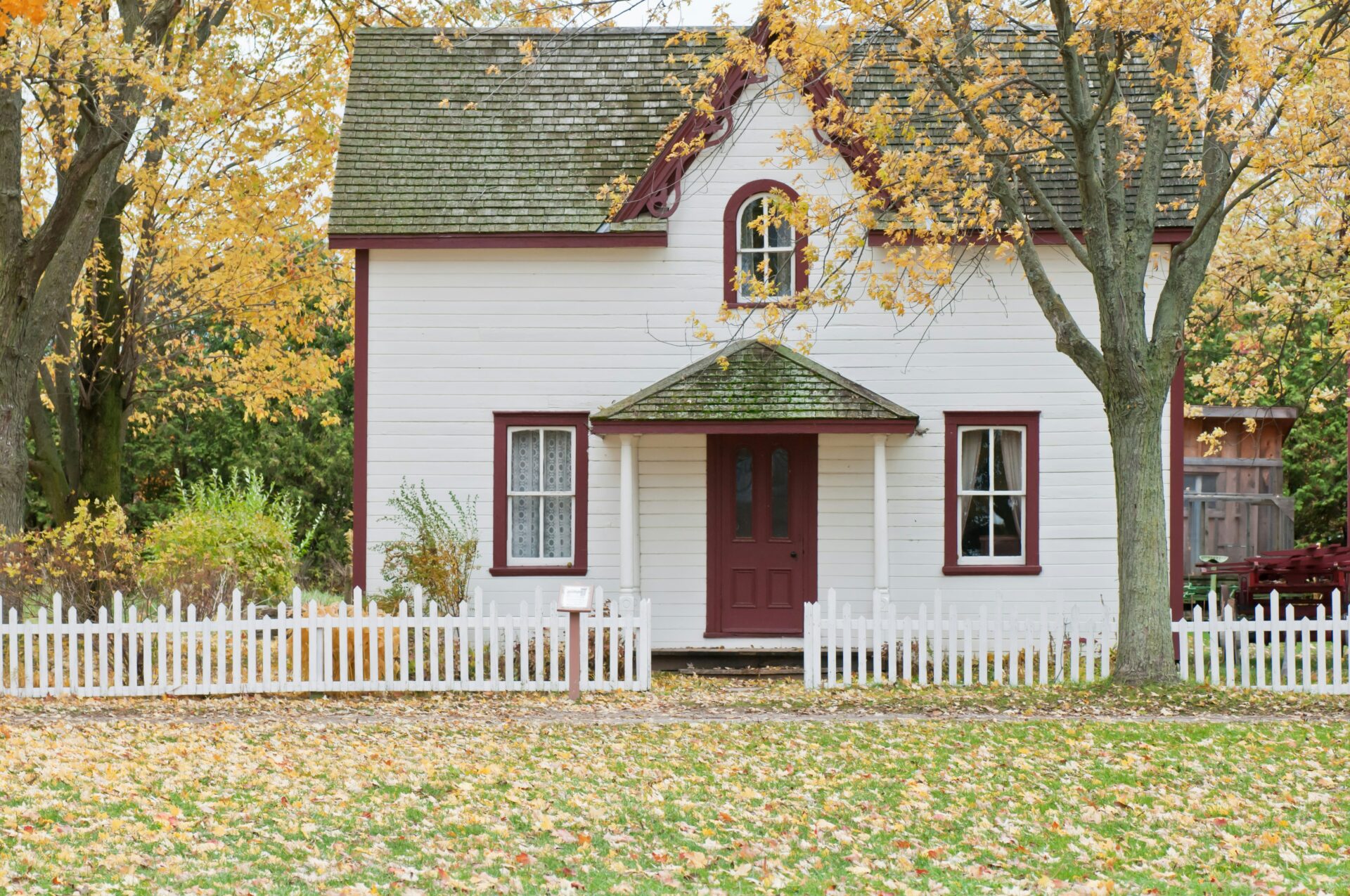
As temperatures drop and the leaves begin to turn, Southeast Wisconsin homeowners know what’s coming next — freezing nights, snow buildup, and long stretches of furnace season. Fall is the perfect time to prepare your home for winter by tuning up its systems for optimal comfort, health, and efficiency.
At Wisconsin Home Improvement, we believe in a building science approach to home care. That means looking beyond surface-level fixes to identify the real causes of energy loss, drafts, and moisture issues. Whether your home is decades old or newly built, a few key maintenance steps can make a significant difference this fall and keep your home performing at its best all winter long.
Why Does Fall Maintenance Matter in SE Wisconsin?
Wisconsin’s freeze-thaw cycles, temperature swings, and fluctuating humidity levels put serious stress on a home’s structure. When warm indoor air leaks into cold spaces, such as the attic or crawlspace, condensation and ice can form, leading to mold, roof damage, and higher utility bills.
Regular seasonal maintenance is one of the most effective ways to maintain efficiency and indoor air quality. Local programs, such as Focus on Energy, also encourage Wisconsin homeowners to take preventive steps that reduce energy use and improve comfort before winter arrives.
1. Seal Up Air Leaks
Drafts may feel small, but collectively, they can waste enough energy to equal leaving a window open all year.
What to Do:
- Check for air leaks around windows, doors, outlets, baseboards, and attic hatches.
Replace worn weatherstripping and door sweeps. - Use caulk or foam to seal gaps where plumbing, wiring, or vents pass through walls.
If you still feel drafts after DIY fixes, a professional air sealing test can pinpoint hidden leaks. Older homes in Milwaukee, Waukesha, and Ozaukee Counties can lose significant heat by way of minor leaks.
Pro tip: Seal before you insulate. Otherwise, air leaks will continue to undermine your insulation’s performance.
2. Inspect Attic Insulation and Ventilation
Your attic is the primary source of energy loss and moisture issues. Insulation that’s uneven, wet, or compressed won’t perform as it should, and blocked vents can trap moisture, leading to mildew and ice dams.
What to Do:
- Look for dark patches, which could indicate air leaks or moisture.
- Check that soffit and ridge vents are clear of debris and insulation.
- Make sure insulation is evenly distributed and meets the recommended R-value (R-38 to R-49 in Wisconsin).
If you notice staining or musty odors, it may be time for a professional evaluation. Wisconsin Home Improvement often coordinates with mold remediation experts before air sealing or insulating attics, ensuring safe and lasting results.
3. Clean Gutters and Downspouts
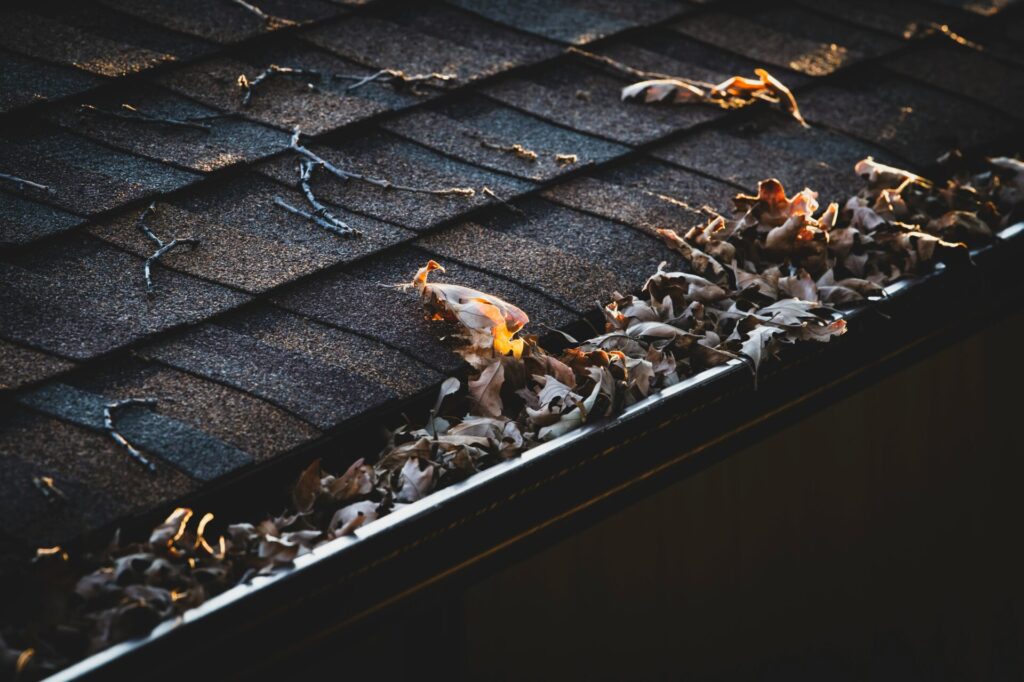
When leaves fall, clogged gutters are one of the top culprits for roof leaks and foundation damage. Blockages trap water that freezes and expands, leading to cracked gutters or ice dams.
What to Do:
- Clear leaves and debris from gutters and downspouts.
- Check that downspouts extend at least five feet away from your foundation.
- Ensure soil slopes away from the house to prevent basement moisture.
- Add gutter guards if you live in a wooded area.
The University of Wisconsin–Madison Division of Extension recommends cleaning gutters twice yearly (in spring and fall) to protect siding, trim, and basements from water damage.
4. Schedule a Fall HVAC Tune-Up
Your heating system works hardest during Wisconsin’s coldest months. Prevent breakdowns and ensure peak efficiency by scheduling a professional tune-up before you switch on the heat full-time.
What to Do:
- Replace furnace filters and clean vents.
- Have a technician inspect and service the system.
- Ask about duct sealing to reduce heat loss (leaky ducts can waste up to 20% of heated air).
Routine maintenance not only keeps your home comfortable but also extends your system’s lifespan and improves indoor air quality.
5. Check for Moisture and Mold
Even minor humidity issues can become major health hazards when homes are sealed tight for winter.
What to Do:
- Inspect basements, crawl spaces, and attics for signs of condensation or musty odors.
- Maintain indoor humidity between 30% and 50%.
- Clean or repair bathroom and kitchen exhaust fans.
- If mold is visible, contact a professional for remediation before undertaking any insulation or sealing work.
In Wisconsin’s climate, where indoor/outdoor temperature contrasts are sharp, moisture control is essential for both home health and structural integrity.
6. Test Safety Devices
Fall is the season to test and refresh all your home’s safety systems.
What to Do:
- Replace smoke and carbon monoxide detector batteries (or replace units older than 10 years).
- Inspect your fire extinguisher and ensure easy access.
- Clean dryer vents. Lint buildup is a leading cause of house fires.
- Test sump pumps and backup systems before the heavy snowmelt season.
7. Prepare Outdoor Systems
Wisconsin winters can be brutal on exterior systems. Take these steps before the first freeze:
What to Do:
- Drain and disconnect garden hoses; shut off and insulate outdoor faucets.
- Clean and cover your air conditioner unit.
- Inspect siding, flashing, and roofing for loose or damaged materials.
- Trim overhanging branches to prevent roof damage during snow or ice storms.
- Store or cover outdoor furniture, planters, and grills to protect them from the elements.
Neglecting these basics can lead to cracked plumbing, leaks, and damage that’s far costlier to repair mid-winter.
8. Schedule a Professional Home Efficiency Audit
If you’re unsure where your home is losing energy, a professional audit can pinpoint the exact areas to address.
Why It’s Worth It:
- An energy audit measures air leakage, insulation levels, and moisture patterns.
- It provides a roadmap for smart, high-impact upgrades.
- Wisconsin homeowners can often qualify for Focus on Energy rebates when they work with participating contractors.
Wisconsin Home Improvement’s experts utilize advanced diagnostic tools, such as blower doors and infrared cameras, to identify hidden inefficiencies. They then create a customized plan to enhance your home’s comfort and durability.
A More Comfortable Winter Starts Now
A little effort in the fall can make a huge difference once Wisconsin’s winter arrives. You’ll enjoy a more comfortable home, lower utility bills, and peace of mind knowing your home’s systems are working efficiently, not against you.
At Wisconsin Home Improvement, we go beyond basic insulation. We apply proven building science to solve your home’s toughest comfort, health, and durability challenges, so you can stay cozy and confident all season long.Schedule your free home efficiency audit today and get your home ready for winter with Wisconsin’s building science experts.