

What is Blown-In Insulation?
Blown-in insulation, often made of cellulose or fiberglass, is a loose-fill insulation material that is installed using a specialized blowing machine. It’s an effective way to fill attic cavities and wall spaces, especially in hard-to-reach or irregular areas. The small particles conform to any space without disturbing existing structures, making it ideal for both retrofit and new construction projects.
WHI installs blown-in insulation to help homeowners in Wisconsin improve energy efficiency, comfort, and home value. Cellulose insulation, a popular option, is made from recycled paper treated with fire retardants, providing excellent thermal performance and environmental sustainability.
Blown-in insulation reduces air infiltration and creates a thermal barrier that helps keep your home warm in the winter and cool in the summer. It’s especially useful in older homes with little or no existing insulation. Whether you’re insulating the attic, walls, or floors, our team ensures uniform coverage and proper R-value depth during every installation.
This service works well in combination with attic upgrades or wall insulation to achieve a whole-home improvement.

20% Savings
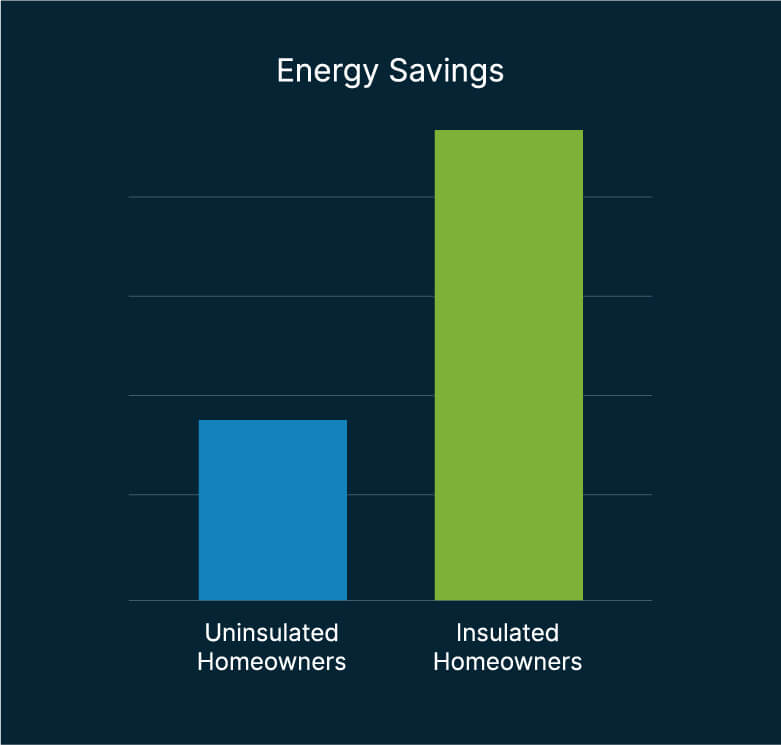
Blown-in cellulose insulation can reduce heating and cooling costs by up to 20%
85% Recycled
Cellulose insulation is 85% recycled and naturally resistant to fire
$200-$400 Annual Savings
Proper insulation saves the average U.S. household $200–$400 annually
Free Estimate (Inline)
"*" indicates required fields
How Our Blown-In Insulation Process Works
The WHI team evaluates insulation levels and seals air leaks before installing blown-in cellulose or fiberglass. We use high-powered equipment for even coverage, then inspect and clean up for a seamless upgrade.

On-Site Evaluation
We inspect attic or wall cavities and identify the best access points for blown-in installation.
Air Sealing & Prep
Before insulating, we seal air leaks to improve thermal retention and system performance.
Even Distribution & Clean-Up
Our team uses high-powered equipment to apply blown-in cellulose or fiberglass, followed by post-job clean-up and rebate paperwork.
Live More Comfortably While Saving Money on Energy
Client Testimonials
Recent Posts About Insulation
Explore expert tips, energy-saving advice, and insulation insights tailored for Wisconsin homeowners. Stay informed with our latest updates

Frequently Asked Questions
If you don’t see the answer to your question, feel free to give us a call to speak with one of our friendly associates.
What is blown-in insulation made of?
Blown-in insulation typically consists of cellulose or fiberglass materials. Cellulose is made from recycled newspaper treated with fire retardants, offering a green and effective insulation option. Fiberglass is composed of spun glass fibers and is resistant to moisture and pests. Both types are installed using a blowing machine, allowing them to fill cavities and cover irregular surfaces. WHI offers both options and will recommend the best one for your attic or wall insulation project based on your home’s structure, budget, and energy goals.
Where is blown-in insulation used?
Blown-in insulation is ideal for attics, wall cavities, and other spaces where traditional batts or boards may not fit well. It’s especially effective for retrofitting existing homes, filling in gaps, and increasing R-value without requiring major construction. WHI often uses blown-in cellulose for attic floors and open wall sections where coverage and airflow control are essential. We also pair it with air sealing to maximize energy efficiency.
Is blown-in insulation better than fiberglass batts?
Blown-in insulation has distinct advantages over fiberglass batts in certain situations. It conforms to irregular cavities, reduces air gaps, and offers more uniform coverage, particularly in attics. Fiberglass batts may be preferable in new construction or easily accessible wall studs. WHI helps you compare both based on your project needs, home layout, and budget. In many Wisconsin homes, cellulose blown-in insulation provides better coverage and long-term energy savings.
How long does blown-in insulation last?
Blown-in insulation can last 20 to 30 years or more if installed correctly and kept dry. Cellulose is treated to resist pests, mold, and fire, and it settles into place with minimal shifting over time. WHI installs insulation at the proper density and depth to meet building codes and maximize lifespan. We also check attic ventilation and moisture levels to ensure optimal conditions that extend performance.
Can blown-in insulation reduce my energy bills?
Yes. By reducing air leaks and improving the thermal envelope of your home, blown-in insulation helps lower heating and cooling costs. Homes insulated with blown-in cellulose or fiberglass typically see a 10 to 20 percent decrease in energy bills. When combined with air sealing, the energy efficiency gains are even greater. WHI ensures your insulation meets the right R-value and is properly installed to achieve real savings.
Are rebates available for blown-in insulation in Wisconsin?
Yes. Blown-in insulation projects may qualify for energy efficiency rebates through Focus on Energy. WHI handles the rebate documentation and ensures your insulation and air sealing work meet the necessary criteria. These rebates can significantly reduce your upfront costs while making your home more comfortable and efficient.