
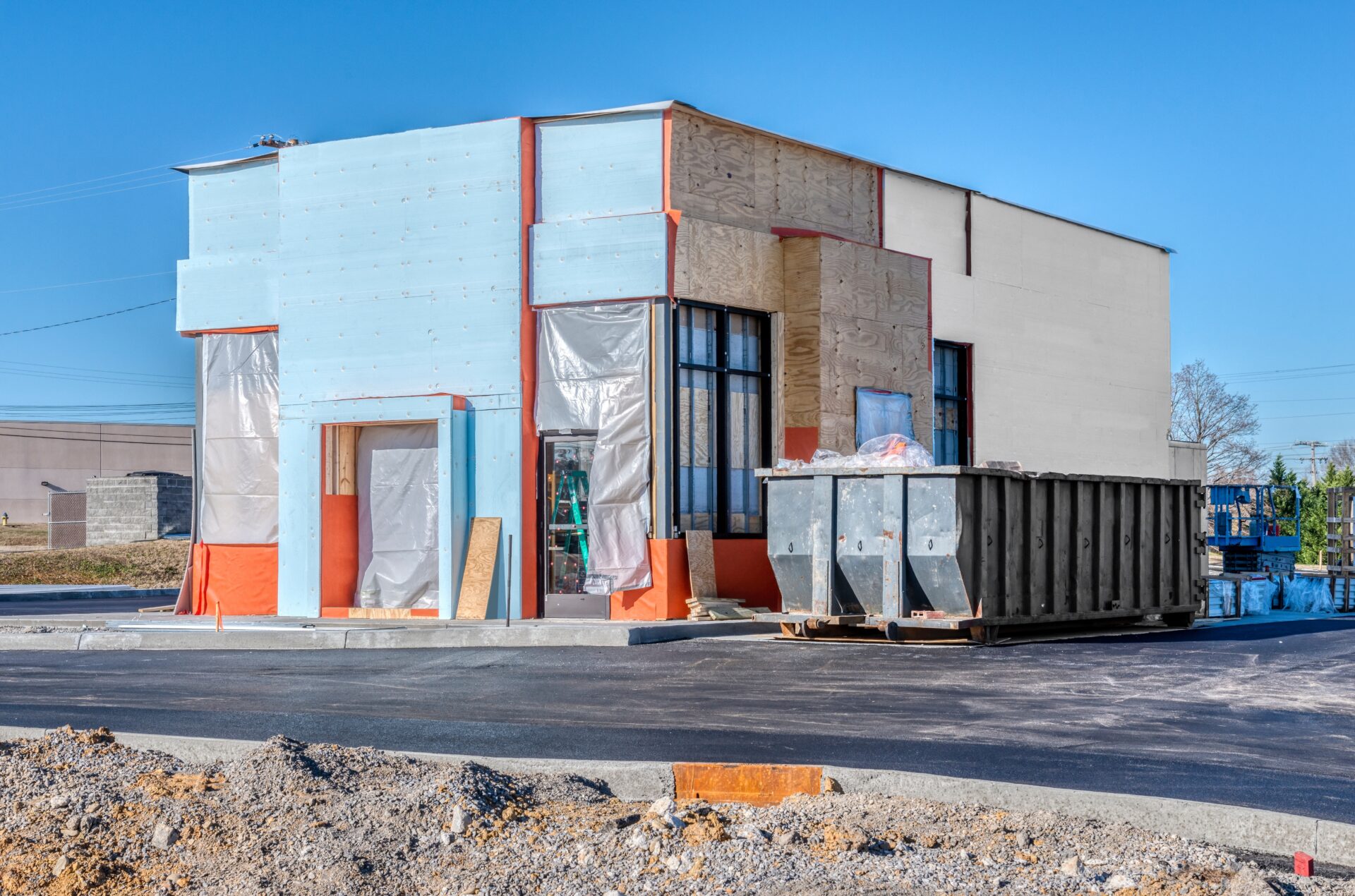
Commercial buildings have unique insulation requirements, depending on how the building is used. A commercial building may need to maintain comfortable temperatures for shoppers and employees, or it may have different requirements for storage or warehouse areas. Regardless of the main use of a commercial property, choosing the right insulation can make a big difference in minimizing energy costs and optimizing comfort levels.
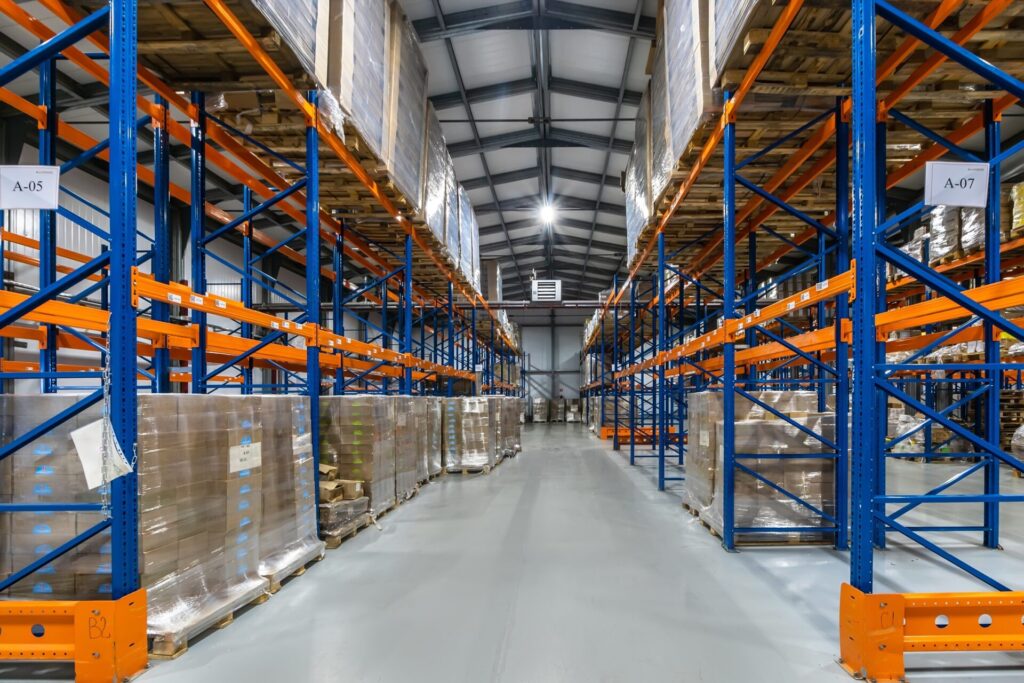
Finding the Right Commercial Insulation Material
Finding the best insulation for commercial buildings means choosing the right material and installation method for your particular property. Commercial building insulation requirements can differ from requirements for residential buildings. An insulation professional can help property owners choose the best insulation for their situation.
Blown-In Insulation
Blown-in insulation can be a great option for updating insulation for commercial buildings. Blown-in insulation conforms around the shape of the space without the need for invasive installation. Adding it to existing walls requires drilling holes in the drywall, densely packing the cavity with insulation, and patching the holes, which eliminates the need for costly drywall removal and replacement.
Both blown-in fiberglass insulation and blown-in cellulose insulation provide excellent insulating properties, although cellulose insulation does have a higher R-value. Comparing blown-in cellulose vs. blown-in fiberglass insulation is often a matter of weight costs along with efficacy, although both will ultimately provide a better experience than older, outdated insulation that is inefficient.
Spray Foam Insulation
Another way to improve insulation without removing and replacing drywall is to install spray foam insulation. Spray foam insulation, or spray foam polyurethane foam (SPF), is sprayed into uninsulated or under insulated areas and then expands to fill the space. Spray foam insulation installation is often faster and easier than other types of commercial building insulation.
The Benefits of Commercial Building Insulation
Insulation is a necessity for any building, whether employees and clients need to be comfortable, or inventory needs to be held at a certain temperature. In addition to providing comfort for the humans using the building, improving commercial building insulation can also lead to improved energy efficiency, cost savings, and even healthier indoor air.
Energy Efficiency
Improving the energy efficiency of a commercial building through insulation can be a very cost-effective option. When cool air stays in during the summer and out during the winter, the building’s HVAC system does not have to work so hard to maintain a comfortable temperature.
Energy Bill Cost Savings
Utility costs can be a major expense in a large commercial building. By helping a commercial building’s HVAC system to operate more efficiently, improved insulation can lower energy bills all year. HVAC systems condition interior air to be a comfortable temperature for the building’s use. Insulation keeps that conditioned air — whether it is warmer or colder than the air outdoors — inside while also keeping outside air from moving indoors.
Healthier Indoor Air
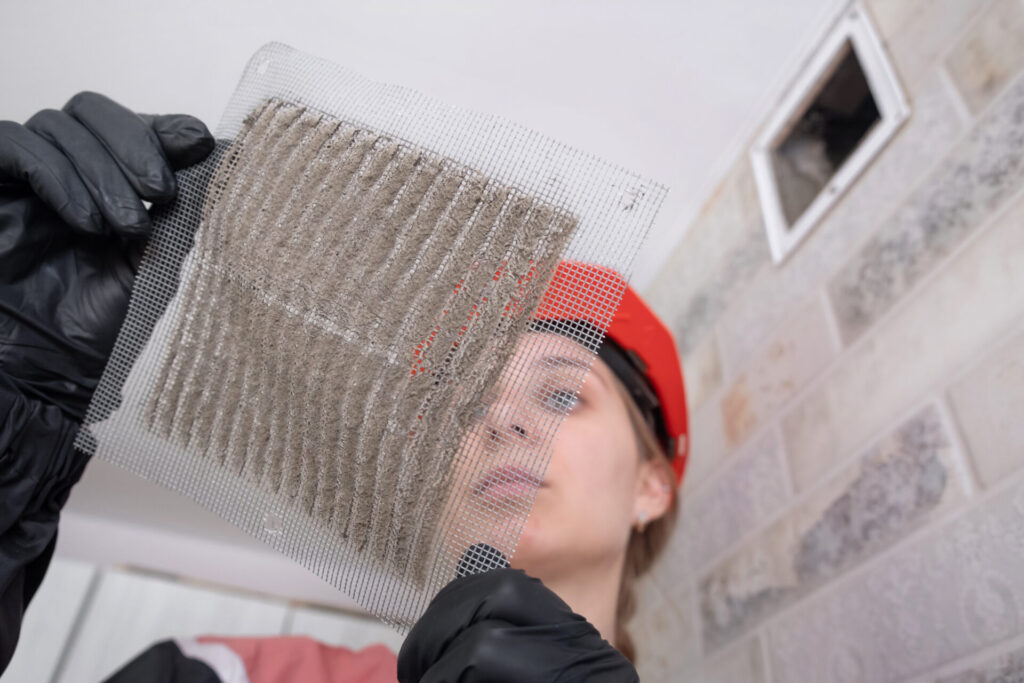
According to the Environmental Protection Agency (EPA), “The air exchange rate with the outdoors is an important factor in determining indoor air pollutant concentrations.” Improved commercial building insulation means healthier indoor air because fewer outdoor pollutants are able to penetrate the building’s exterior. Additionally, interior air filtration systems are more effective because a higher percentage of the air goes through the filters and not through poorly insulated walls.
Improved Noise Control
Insulation can also make a big difference when it comes to noise control. Whether a commercial building is on a busy road or shares walls with a noisy warehouse, insulation can dampen those sounds and keep employees as well as customers more comfortable.
Commercial Insulation Installation Projects
Commercial insulation installers should have demonstrable experience working with commercial buildings. Installation projects should involve assessing insulation needs as well as helping a property owner choose the best insulation type for their specific buildings.
How Much Does Insulation Cost?
The cost of commercial building insulation depends on the type of insulation as well as the size and scope of the project. Tearing down drywall to update insulation can be costly, messy, and time consuming. Options like blown-in insulation or spray foam insulation can be more cost effective and typically done much more quickly.
How Long Does the Insulation Process Take?
As with cost estimates, the timeline for an insulation installation in a commercial building depends on the scope of the project. A large building may take weeks to complete while a smaller project could take only a few days. Contact a trusted insulation installer to get a detailed time and cost estimate for your project.
Book Your Consultation with Wisconsin Home Improvements
You can learn more about commercial insulation from the experts at Wisconsin Home Improvement who have helped hundreds of property owners save on energy costs and create a more comfortable building.
Want to hear more from our team at Wisconsin Home Improvement? Give us a call or send us a message to schedule a consultation. Our entire team is dedicated to performing high quality work and delivering outstanding customer service. We’ll help you pick the best insulation and get it installed professionally so you can have a more comfortable and more energy efficient commercial property as soon as possible.