

A home’s insulation is a critical part of ensuring that it stays cool in the summer and warm in the cold winters. In addition to interior comfort, insulation can impact indoor air quality and energy efficiency. While any insulation update can have a significant impact on a home, installing the right kind of insulation is also key. For most homeowners, RetroFoam insulation may not be the right choice.
What Is RetroFoam Insulation?
RetroFoam insulation is an injection foam insulation. It is made from a non-expanding resin-based open-cell foam that is sprayed into wall cavities as foam and then hardens in place. Upon installation, RetroFoam has an R-value of approximately 4.6 per inch or R16, which means it will reduce heat transfer in the home by 95%. However, with RetroFoam, the effective R-value can decrease over time as the product ages and degrades.
What Are the Best Alternatives to RetroFoam?
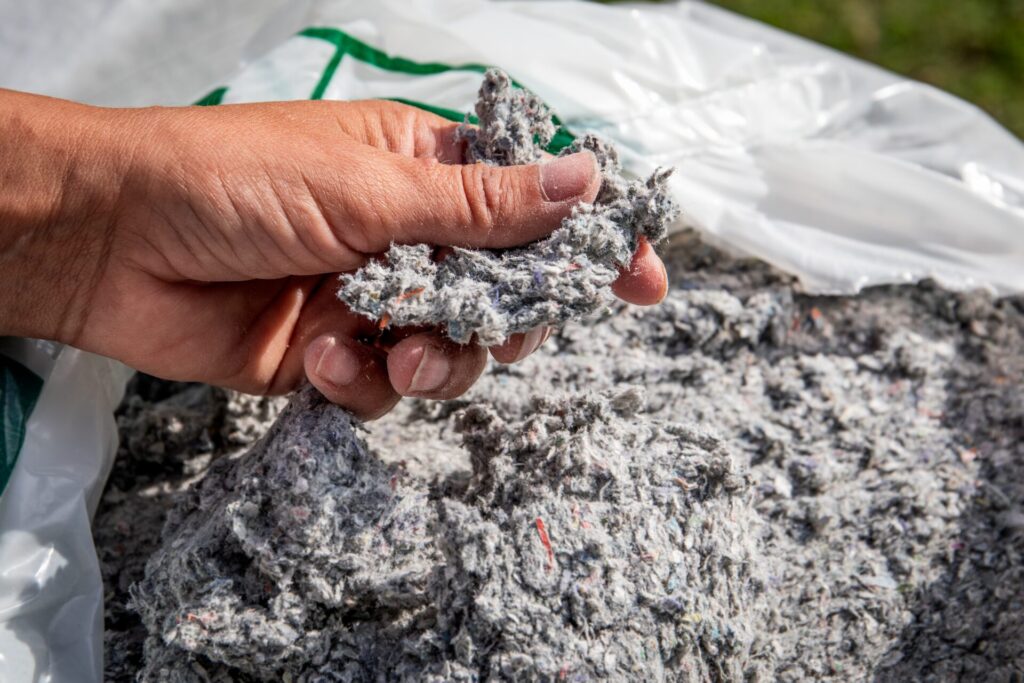
The best home insulation alternative to RetroFoam or injection foam insulation is dense packing cellulose or fiberglass insulation and/or spray foam. For dense packed insulation, cellulose or fiberglass insulation is blown into wall cavities creating a tight, dense barrier that significantly reduces air infiltration and improves energy efficiency. Dense-packed cellulose insulation typically has an R value of 3.5 to 4.0, while dense-packed fiberglass insulation has an R value of R16.
The Problems with RetroFoam Insulation
There are several drawbacks to injection insulation, which means it may not be the best choice for homeowners. In addition to an R value that can decrease over time, RetroFoam may not be the most efficient choice for air sealing, moisture concerns, or environmental impact.
Air Sealing
Air sealing involves closing gaps and cracks in a home’s exterior to prevent air leakage. The purpose of air sealing is to enhance energy efficiency, comfort, and indoor air quality. One of the known RetroFoam problems is that it is an open cell foam, which means although it provides some measure of air sealing, it is not an air barrier like dense packed insulation.
Moisture Resistance
The wrong type of insulation can exacerbate moisture issues. RetroFoam injection insulation can actually trap moisture if a leak occurs. Because the moisture cannot dry, RetroFoam insulation can potentially cause mold issues or even wood rot over time.
On the other hand, dense packed fiberglass or cellulose insulation allows walls to breathe. This means that in the event of a moisture intrusion, the water will have a chance to evaporate before leading to mold, mildew, or other hazards.
Installation
RetroFoam insulation is injected into wall cavities, typically from the outside of the home. The RetroFoam installation process can be more invasive than other types of insulation. There is also the possibility of installation irregularities or errors which can leave gaps in the insulation around any obstructions, significantly decreasing the effectiveness of the insulation.
Because dense packed insulation requires specialized equipment, the installation process ensures even distribution with no possibility of gaps or voids.
Longevity and Performance
RetroFoam relies on technically accurate installation. Although RetroFoam has the potential to be durable, any errors during the installation process can result in gaps that speed the degradation process and therefore lead to overall less efficient insulation.
Dense packed cellulose and fiberglass insulation are both very durable options. When installed properly, settling is uncommon, and both types of insulation retain their efficiency for many years.

Why Dense Packed Cellulose or Fiberglass Is a Better Choice
Homeowners who are wondering if they should use RetroFoam should be sure they know how the performance and durability compares to other insulation options. For many homeowners, dense packed cellulose or fiberglass insulation is a better choice for filling wall cavities and improving the overall energy efficiency of a home. Both cellulose and fiberglass insulation provides a significant air barrier to prevent warm air from escaping in the winter and infiltrating the home in the summer.
The results of efficient home insulation are lower energy bills, higher indoor air quality, and a more comfortable living space. In addition, cellulose and fiberglass insulation can impede moisture issues and provide comfort and efficiency for many years.
On the other hand, RetroFoam or injection insulation can improve energy efficiency in homes but is not the most effective or durable choice.
Contact Wisconsin Home Improvement for More Information
For more information on choosing the right type of insulation for your home, reach out to the experts at Wisconsin Home Improvement LLC. Schedule a free home performance audit with our trained professionals. We will measure the energy efficiency of every part of your home and help you make a plan for making your living space more comfortable and keeping your energy bills low, no matter what the weather.