

Indoor Air Quality
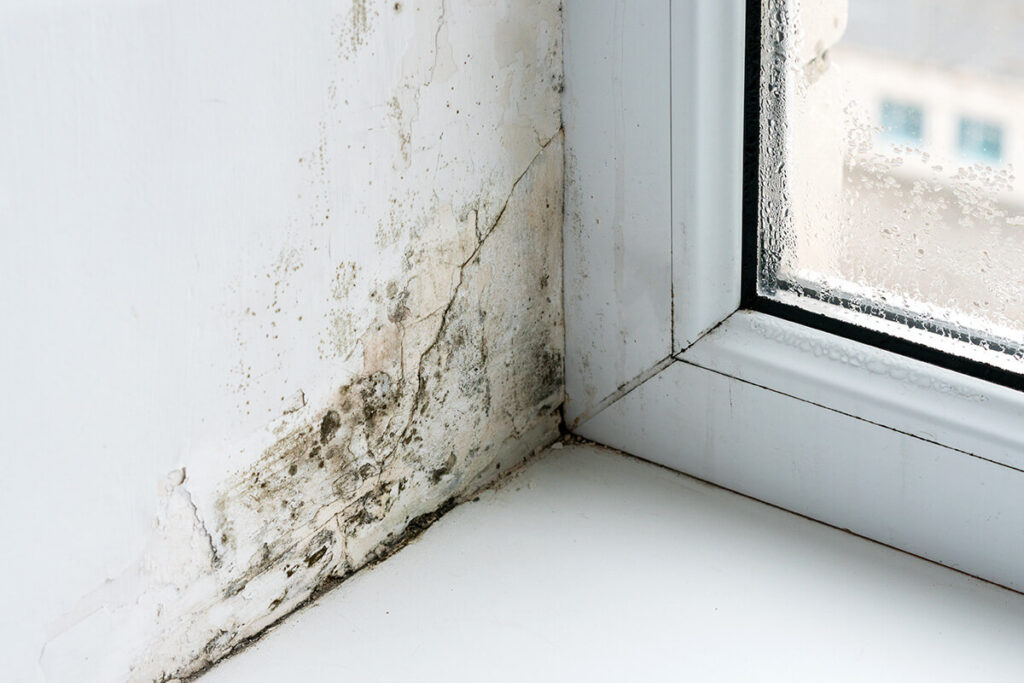
Mold issues are often the result of moisture issues that stem from high indoor humidity levels as well as air leaks and cracks and gaps in your home’s exterior. Mold problems need to be addressed immediately, but solving your mold problem means fixing the underlying issue that led to mold growth in the first place.
Benefits of Ventilation
Proper home ventilation ensures that the air in your home circulates, keeping interior spaces fresh and healthy. Good ventilation also ensures that moisture levels stay consistent, which prevents the buildup of mold and mildew and enhances indoor air quality.
Types of Ventilation
Three main types of ventilation are needed to maintain a safe and healthy home:
- Natural ventilation refers to uncontrolled air movement throughout the home, often due to doors and windows, although unmanaged cracks in the home can also be a source of natural ventilation.
- Spot ventilation is the use of localized fans, including exhaust fans, which helps quickly divert moisture and pollutants within the home.
- Whole home ventilation involves using one or more fans as well as the home’s duct system to move and direct air around or outside of the home.
The Importance of Air Sealing
Air sealing is an important part of home improvement, and it is particularly essential when it comes to managing the presence of mold and moisture throughout the home. Air sealing entails locating and plugging up any cracks or drafts within the home that negatively impact its natural ventilation system. Air sealing can also help control the temperature within the home and prevent energy waste.
Insulation Prevents Mold and Moisture
Insulation goes hand in hand with air sealing as a means of preventing mold growth and excess moisture from accumulating within the home. Because insulation affects temperature inside a home, it can help prevent your indoor air from creating condensation and retaining moisture — conditions that lead to mold.
Many different types of insulation can help manage mold growth within the home, including installing closed cell spray foam insulation, which is a popular option for attic and basement insulation projects. Closed cell spray foam not only has the ability to fit into the smallest cracks, forming a tight, impenetrable seal, but it also absorbs moisture, preventing it from entering your home.
Next Steps to Consider
Getting rid of mold in your home is only the tip of the iceberg. Preventing it from coming back is what is most important. If you’re looking to keep mold out of your home, then schedule a home performance audit with Wisconsin Home Improvement today. When you schedule a visit with us, we will walk you through the audit process that is used to identify where your home’s insulation and air sealing need improvement. We can also work with you to help you find ways to pay for any repairs or upgrades through incentives, rebates, and finance options.
Frequently Asked Questions
Here are some common questions we get about home insulation improvements and how insulation works. If you have a question and don’t see the answer below, please let us know.
How can I prevent mold and mildew?
Excess moisture (or humidity) and warm temperatures in the home cause mold and mildew to form. Therefore, to prevent mold and mildew, you need to manage your home’s humidity levels through proper air seals, insulation, and ventilation systems.
How do you prevent mold in crawlspaces under your house?
Installing a vapor barrier over the dirt or gravel floor and air sealing with a closed cell foam will contain the moisture below ground preventing it from escaping into the home.
What can you do to avoid mold buildup problems in your home?
The only way to prevent mold buildup in your home is to manage moisture levels. You can accomplish this by installing effective ventilation systems, good air seals, and proper insulation throughout your home.
What causes moisture and mold in a house?
Excess moisture in the home coupled with warm temperatures create the perfect conditions for mold growth. However, mold also needs a food source to thrive and grow. In the home, that food source is often wood, drywall, and other building materials.
How can I tell if I have a hidden mold and moisture problem?
Hidden moisture problems that lead to mold and mildew often create odors that negatively affect the indoor air quality of your home and your health. The best way to check for hidden mold and mildew problems is through a whole home audit and air quality test.
Why do my internal walls retain moisture?
Proper ventilation: Ensure adequate ventilation throughout the home, especially in areas prone to moisture such as bathrooms, kitchens, and laundry rooms. Install and use exhaust fans to remove moisture during and after activities like showering, cooking, and washing clothes. Additionally, consider opening windows periodically to allow fresh air to circulate.
Use dehumidifiers: In areas with high humidity levels, especially basements and crawl spaces, use dehumidifiers to reduce moisture in the air. Set the dehumidifier to maintain humidity levels between 30-50%, as recommended by the Environmental Protection Agency (EPA).
Insulation: Properly insulate walls, floors, and ceilings to prevent condensation from forming on cold surfaces. Insulation helps maintain consistent indoor temperatures, reducing the likelihood of moisture problems caused by temperature differentials.
Air sealing: Seal gaps and cracks around windows, doors, plumbing penetrations, and other openings to prevent warm, humid air from entering the home and condensing on cooler surfaces. Use caulking, weatherstripping, or spray foam insulation to seal these areas effectively.
Address leaks promptly: Regularly inspect the home for leaks in the roof, plumbing, and foundation. Repair any leaks promptly to prevent water intrusion and moisture damage.
Control indoor humidity: Monitor indoor humidity levels with a hygrometer and take steps to control excessive moisture. Avoid activities that increase humidity, such as drying clothes indoors or overwatering houseplants. Use lids on pots when cooking to minimize moisture release into the air.
Use moisture-resistant materials: Use moisture-resistant building materials in areas prone to moisture, such as bathrooms and kitchens. For example, choose mold-resistant drywall, paint, and flooring materials that can withstand high humidity levels.
Maintain proper drainage: Ensure that the grading around the home’s foundation slopes away from the house to prevent water from pooling near the foundation. Clean gutters and downspouts regularly to ensure proper drainage and prevent water from seeping into the basement or crawlspace.
Monitor and control humidity in crawl spaces and attics: Install vapor barriers and adequate ventilation in crawl spaces and attics to prevent moisture accumulation in these areas, which can lead to mold growth and structural damage.